
Sustainable Financial Plan: A Realistic Guide for Long-Term Success
Ever set a New Year’s resolution to “get your finances together,” only to abandon ship by February? You’re not alone. Most financial plans fail because they’re either too rigid, painfully boring, or just unrealistic. The good news? Building a plan you’ll actually stick to isn’t about willpower—it’s about designing a system that works for *you*.
Start With Your “Why” (Not Just Your “How Much”)

If your only goal is “save money,” good luck staying motivated when Netflix drops a new season of your favorite show. Your financial plan needs a purpose—something that makes skipping that impulse buy feel worth it.
Ask yourself:
- What do I want my money to *do* for me? (Early retirement? A killer vacation? Freedom to quit a job I hate?)
- How do I want to feel? (Less stressed? More secure? Ready for surprises?)
FYI, “because I should” isn’t a compelling reason. Dig deeper. If your answer is “so I can afford to work less and spend more time hiking,” suddenly packing lunches instead of DoorDashing feels way more satisfying.
Make It Visual (Yes, Really)
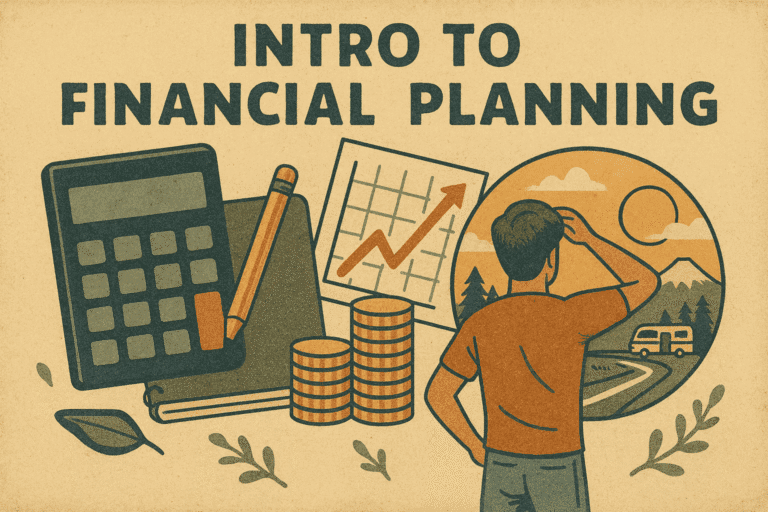
Humans are terrible at abstract goals. Stick a picture of your dream goal (a beach, a house, a pile of money with a tiny “you” lounging on top) somewhere you’ll see it daily. Visual cues hack your brain into staying focused.
Pro tip: If your goal is “financial security,” define what that *looks* like. Is it a 6-month emergency fund? No credit card debt? A spreadsheet where your net worth isn’t negative? Get specific.
Budget Like You’re Training a Puppy, Not Building a Prison

Most budgets fail because they’re too restrictive. You wouldn’t expect a puppy to master “sit,” “stay,” and “don’t eat my shoes” all at once—so why expect yourself to overhaul spending overnight?
Try the 80/20 rule:
- Track your spending for a month (no judgment, just data).
- Find the 20% of expenses causing 80% of your financial stress (usually big, recurring bills or dumb little habits like daily coffee runs).
- Tweak those first.
The “Guilt-Free Spending” Hack
Give yourself a *mandatory* fun-money category. No, seriously. If your budget feels like a punishment, you’ll rebel. IMO, $50 for “whatever the heck I want” keeps you sane and stops you from blowing $500 later out of frustration.
Automate Everything (Because You’re Busy and Forgetful)

You know what’s easier than relying on willpower? Letting robots handle your money. Set up automatic transfers for savings, investments, and bills. Future-you will high-five present-you when you’re not scrambling to pay rent.
Where to start:
- Emergency fund: $X per paycheck straight to savings.
- Retirement: Max out employer matches ASAP—it’s free money.
- Bills: Auto-pay the essentials (but check statements monthly for errors).
Expect Chaos (Because Life Happens)

Your car will break down. Your dog will eat something weird and need the vet. You’ll suddenly *need* concert tickets. A plan that doesn’t account for surprises is a plan destined to fail.
Build buffers:
- A small emergency fund ($1,000-ish) for “oh crap” moments.
- A “fun emergencies” category for things like spontaneous trips.
- Flexible budget lines (e.g., “utilities” can vary month-to-month).
The “Roll With It” Rule
Overspent on groceries? Move money from another category instead of giving up. Forgot your friend’s birthday? Adjust next month’s plan. Flexibility keeps you from throwing the whole plan out the window.
Celebrate Tiny Wins (Like a Grown-Up Gold Star System)
Paying off $100 of debt? Saved your first $1,000? That’s a win—treat yourself (within reason). Celebrating progress reinforces good habits.
Non-broke ways to celebrate:
- A fancy home-cooked meal instead of takeout.
- A freebie (long walk, movie night, etc.).
- Texting a friend to brag (seriously, it helps).
FAQ: Your Financial Plan Survival Kit
How often should I check my budget?
Weekly for the first month, then monthly once you’re in a rhythm. Obsessing daily leads to burnout.
What if I hate spreadsheets?
Use apps (Mint, YNAB), a notebook, or even sticky notes. Your system only needs to work for you.
How do I handle unexpected windfalls (bonuses, tax returns)?
Follow the 50/30/20 rule: 50% to goals (debt/savings), 30% to fun, 20% to buffer categories.
What’s the biggest mistake people make?
Thinking they’ll “get motivated later.” Motivation follows action—start small and momentum builds.
Can I still enjoy life while saving?
Absolutely. Deprivation backfires. Budget for joy, or you’ll quit in a blaze of reckless spending.
How do I deal with financial FOMO?
Unfollow social accounts that trigger spending. Comparison steals joy—and your paycheck.
Your Plan, Your Rules
A financial plan isn’t a straitjacket—it’s a roadmap for getting what you actually want. Ditch the guilt, embrace the mess, and remember: progress beats perfection every time. Now go forth and budget like the slightly flawed, occasionally tempted, but totally capable human you are.