
How to Stop Overspending on Everyday Expenses Without Drama
You don’t need a fancy spreadsheet to stop overspending. You need practical habits you’ll actually stick to. Let’s cut the fluff and get you back in control of your money—without turning your life into a budget prison.
Own the problem: where your money slips away
Ever notice how a small purchase can feel like nothing at the moment, but adds up to a big pile by week’s end? You’re not imagining it. Tiny leaks in your daily routine siphon cash faster than a leaky faucet after a rainstorm.
Take a quick audit:
- Spot the usual suspects: coffee runs, impulse buys, online shopping carts you never empty, and subscriptions you forgot exist.
- Track for a week. Not forever, just long enough to catch patterns.
- Ask yourself: what feels like a treat versus what’s habitually wasteful?
If you answer honestly, you’ll find a few key pain points. The good news? They’re fixable, one small adjustment at a time.
Create a no-drama spending plan that actually fits you

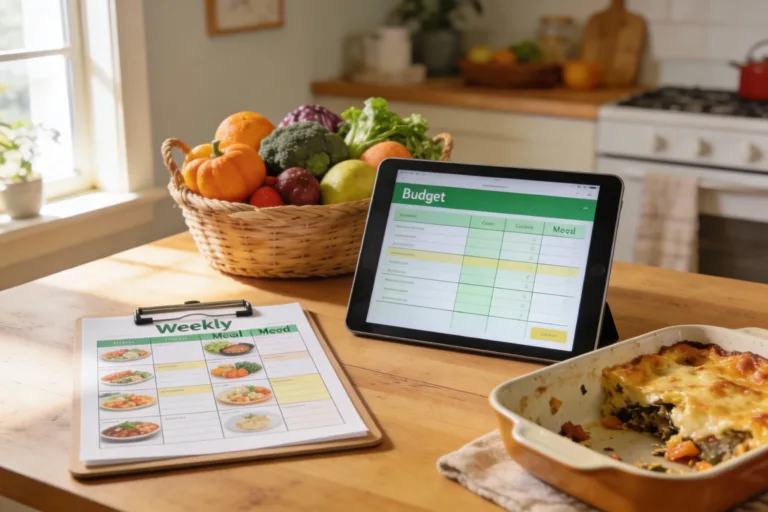
Stop pretending you hate rules and start loving structure that respects your life. Your plan should be simple enough to follow on a sleepy Tuesday, not a rigid jail sentence.
- Define non-negotiables: what must you have each month (rent, utilities, groceries) and what can flex (eating out, entertainment)?
- Assign a real amount to categories: groceries get a ceiling, dining out a separate one, and so on. If you’re a social butterfly, up the dining-out limit but cut something else.
- Set a “fun fund”: a small pool for spontaneous treats so you don’t sabotage the entire budget chasing a high you don’t need.
Tip: keep it visual
Post a simple chart on the fridge or a dedicated app dashboard. When you can see every dollar in motion, you’ll stop mistaking your receipts for magical mystery money.
Cutting the daily drain: tiny changes, big impact
Small choices pile up. Here are bite-sized moves that feel easy but move the needle.
- Swap one coffee run for a home-brewed cup. It’s not forever—just often enough to notice the difference in your bank balance.
- Wait 24 hours before online impulse purchases. If you still want it tomorrow, add it to a wish list with a real price tag. Sometimes you’ll forget; sometimes you’ll buy less.
- Use cash for “fun spend” moments. When the money’s tangible, you think twice before swiping.
Smart substitutions you won’t regret
– Consider generic brands for staples. Slightly less glamorous, but the savings add up.
– Learn a few quick meals to avoid restaurant runs. Your wallet and waistline will thank you.
– Batch your errands. A triggered trip to the store becomes fewer trips, fewer purchases, more control.
Mindful shopping: think before you click

If your browser history is a confession booth, you’re not alone. The online world makes it too easy to buy things you don’t need.
- Pause on the price trap: compare prices, but don’t chase the lowest price at the cost of quality. Cheaper isn’t always better.
- Unsubscribe like a pro: you don’t need daily coupon emails clogging your brain. A clean inbox = fewer impulse triggers.
- Use wish lists: curate what you want, not what you think you should want. If it sits there for a month, ask yourself if you still want it.
FYI: the power of a 48-hour rule
If you see something you love, add it to a wish list and wait 2 days. If you still feel the pull, you can buy it. More often than not, the itch cools.
Smart spending habits that stick
Habits beat willpower, every time. Build routines that make spending boringly boring—and that’s exactly what you want.
- Automate savings: pay yourself first with each paycheck. If you never see the money, you’ll never miss it as much.
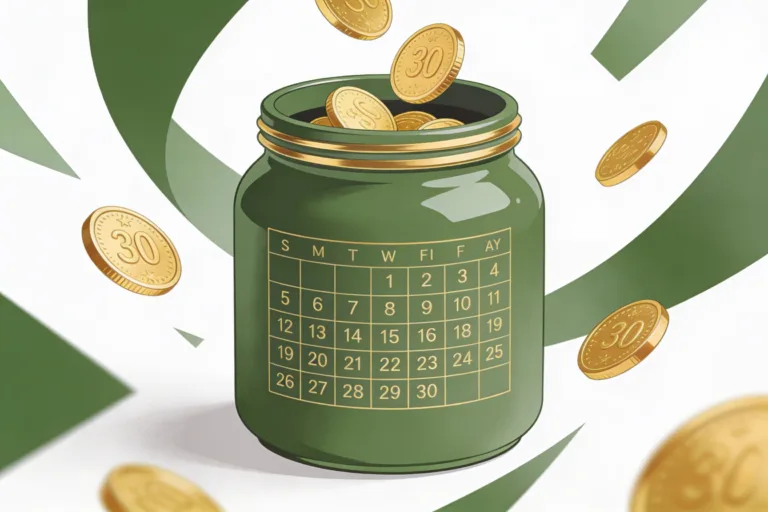
- Use the 30-day rule for big-ticket items: wait a month before buying something over a certain amount. If you still need it, fine; if not, you saved.
- Review subscriptions quarterly: a quick audit stops the money leaks. Do you actually use that channel you forgot you had?
Automation that doesn’t feel robotic
Set up a monthly transfer to savings and a separate sinking fund for upcoming big expenses (car maintenance, gifts, vacations). You’ll feel calmer knowing your future self has your back.
Protecting your money from social pressure

It’s not just you; it’s the people and vibes around you. Social spending can be a sneaky beast, especially when everyone’s posting about the next big thing.
- Set expectations with friends and family: casual drinks? Great. Expensive dinners? Great, but you pay your own share.
- Create go-to responses: “I’m budgeting right now” or “That sounds amazing, but I’m saving for a goal” keeps things clear without guilt.
- Plan events with budget in mind: suggest cheaper options or rotating hosts to keep costs predictable.
Handling gift-giving without buyer’s remorse
Set a yearly cap and a list of people you’ll prioritize. For important occasions, consider experiences over stuff. It’s often more memorable and cheaper.
When to seek help: practical tools and accountability
If you’re drowning in receipts and debt, you’re not failing—you’re human. Reach for tools that actually help.
- Use a simple budgeting app that syncs your accounts and labels expenses. No friction, just clarity.
- Block out debt high-interest traps: tackle the worst debts first with a plan. Snowball or avalanche—pick your poison, just start.
- Accountability buddy: partner up with a friend who’s also trying to save. Check-ins beat solo slogging.
When to talk to a pro
If debt feels unmanageable or you can’t see a path out, a financial advisor or credit counselor can help. FYI, it’s not a weakness to ask for help—it’s smart.
FAQ
Will cutting small purchases really save enough?
Yes. Small changes compound. A daily coffee you skip, plus a few generic-brand switches, can add up to a meaningful amount over months. It’s not about deprivation; it’s about reclaiming control.
How do I stay motivated after the novelty wears off?
Create visible milestones. Use a chart, celebrate small wins, and remind yourself what you’re saving for. If you slip, don’t villainize yourself—adjust and move on.
What should I do with extra cash once I save it?
Allocate to a mix of priorities: emergency fund, debt payoff, and a fun fund. Automate allocations so you don’t have to decide every month. If you reach a big milestone, reward yourself—balance is essential.
Is it okay to treat myself sometimes?
Absolutely. Balance is the key. The occasional treat is part of a healthy relationship with money. Just ensure it fits your plan and doesn’t derail your goals.
How do I handle subscriptions I forgot I had?
Audit monthly. Cancel ones you don’t use, downgrade where possible, and set reminders to review every few months. It’s amazing how much you can save by decluttering your digital life.
Conclusion
Overspending isn’t a character flaw; it’s a habit you can rewire with practical steps. Start with a simple plan, tackle daily frictions, and keep your goals in sight. Use the 24-hour test, automate what you can, and don’t be afraid to trim the noise. You’ve got this—FYI, money freedom feels surprisingly liberating. And yes, you can enjoy life while spending smarter.