
How to Stick to a Budget Easily Without Feeling Deprived
Let’s be real—budgeting sounds about as fun as watching paint dry. But here’s the thing: it doesn’t have to feel like financial torture. You *can* stick to a budget without stressing yourself into a spreadsheet-induced coma. The secret? Ditch the rigidity, embrace flexibility, and make it work for *you*.
Budget Like a Human, Not a Robot
Most budgeting advice treats you like an emotionless calculator, but newsflash: you’re not. You crave coffee, impulse-buy cute socks, and occasionally forget subscriptions exist until they hit your bank account. A realistic budget accounts for *all* of that.
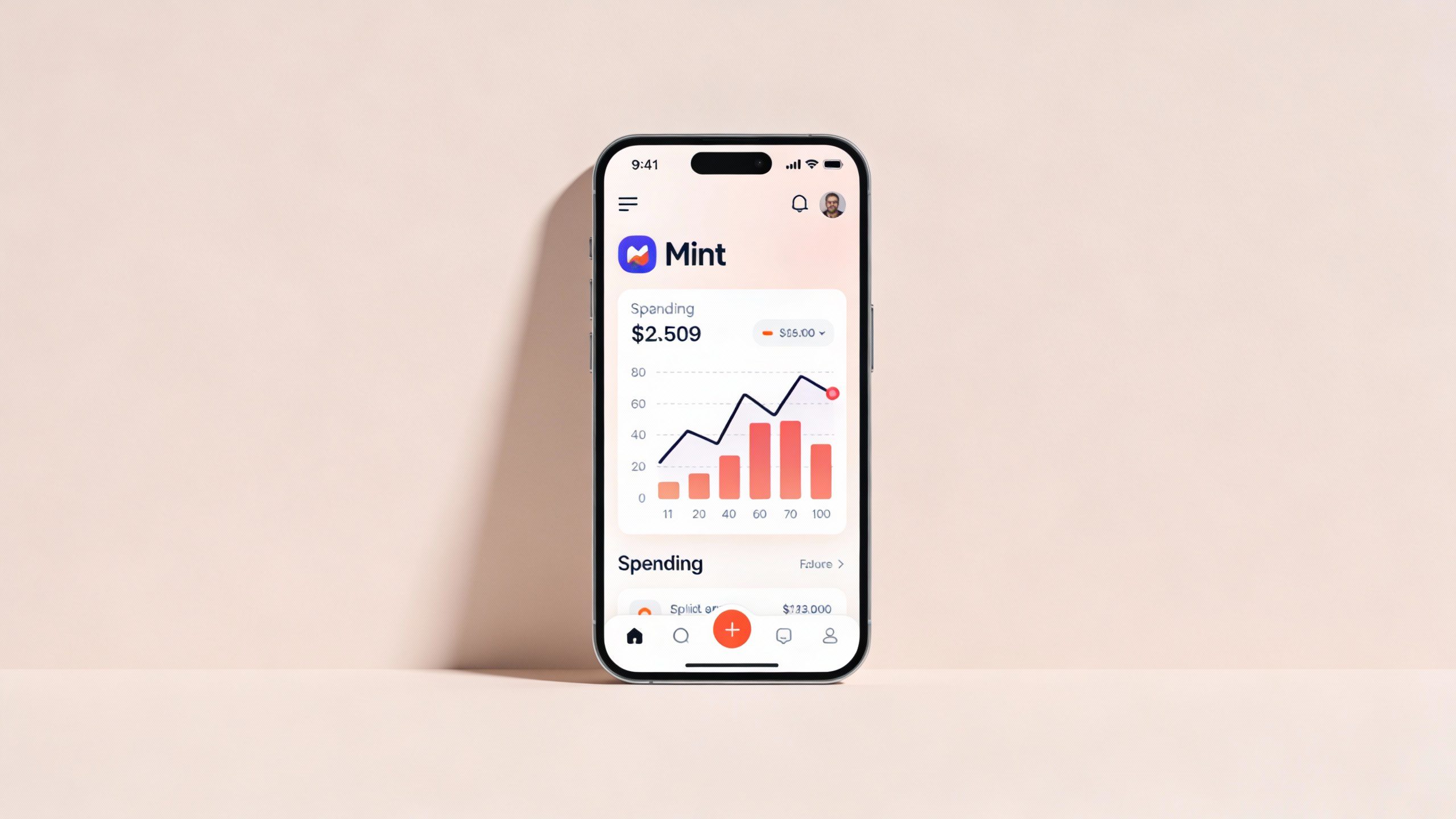
Start by tracking your spending for a month—no judgment, just observation. Apps like Mint or YNAB make this easy, or go old-school with a notebook. The goal? Spot patterns. Are you spending $50 a week on “just one snack” at the gas station? Cool, now you know where to adjust.
The 50/30/20 Rule (But Make It Chill)
This classic breakdown keeps things simple:
– 50% for needs (rent, groceries, bills)
– 30% for wants (takeout, hobbies, that fancy candle you don’t *need*)
– 20% for savings/debt
But here’s the twist: if those percentages don’t fit your life, tweak them. Living in a pricey city? Maybe needs take 60%. Prioritizing debt payoff? Bump savings to 30%. The rule is a guideline, not gospel.
Automate the Boring Stuff
Forget willpower—automation is your budget’s best friend. Set up:
– Auto-transfers to savings (even $20/week adds up)
– Bill payments (so you never miss a due date)
– Round-up apps (like Acorns, which saves your spare change)
Pro tip: Name your savings accounts something motivating, like “Beach Fund” or “Emergency Tacos.” It’s harder to dip into money labeled “DO NOT TOUCH.”
Guilt-Free Spending Exists—Here’s How

Budgeting fails when it feels like deprivation. So build in a fun category. Seriously. Whether it’s $20 or $200, give yourself permission to spend it on whatever, no regrets.
The “Hell Yes” Test
Before buying something non-essential, ask:
– Does this bring me *real* joy or convenience?
– Would I rather put this money toward a bigger goal?
– Am I buying it just because it’s on sale?
If you’re not *hell yes*, it’s probably a *no*.
Slay the Subscription Monster

Those $5-$15 charges add up faster than a TikTok scroll session. Audit your subscriptions *right now*:
1. List every recurring charge (check bank statements).
2. Ask: “Do I use this weekly? Does it make my life better?”
3. Cancel anything that doesn’t pass the vibe check.
FYI, you can often pause subscriptions instead of canceling—perfect for seasonal services.
When (Not If) You Mess Up
You *will* overspend sometimes. Instead of spiraling, do this:
1. Pause. Breathe. One slip-up isn’t failure.
2. Adjust. Move money from another category if needed.
3. Learn. What triggered the splurge? Can you plan for it next time?
Budgeting isn’t about perfection—it’s about progress.
FAQs
How much should I save each month?
Aim for 20% of your income, but start wherever you can. Even 5% is better than 0%. Consistency beats big, sporadic deposits.
What if my income changes every month?
Budget based on your *lowest* expected income. Anything extra goes to savings or debt. Apps like YNAB are great for variable incomes.
Do I really need an emergency fund?
Yes, unless you enjoy stress. Start with $1,000, then build to 3-6 months’ expenses. Future you will high-five present you.
How do I stop impulse shopping?
Implement a 24-hour rule for non-essentials. Sleep on it. Most “must-haves” become “meh” by morning.
Is cash stuffing (envelopes) worth it?
If you’re visual and struggle with digital spending, absolutely. For others, it’s overkill. Try it for one category (like groceries) and see.
What’s the easiest budgeting app?
IMO, Mint is great for beginners (and free). YNAB is more hands-on but powerful. Pick one and stick with it for 3 months before judging.
Wrap-Up: Budgeting Without the Burnout
A stress-free budget isn’t about restriction—it’s about *intention*. Track your spending, automate the tedious parts, and give yourself room for fun. When you slip up (because you will), just recalibrate and keep going. Your bank account—and your sanity—will thank you. Now go forth and adult… mostly responsibly.