
How to Start Investing with Little Money
Let me guess—you’ve thought about investing, checked your bank balance, and laughed nervously. 😅 I’ve been there. The idea that you need thousands of dollars to start investing with little money feels everywhere, and honestly, it scares a lot of people off. But here’s the plot twist: you can start investing with little money, like way less than you think, and you don’t need a finance degree or a Wall Street buddy.
I started with pocket-change-level money and a lot of curiosity. No fancy strategy, no secret tips. Just simple moves that actually worked. Let’s talk about how you can do the same without stressing yourself out—or skipping dinner for the rest of the month.
Why Starting Small Is Actually a Smart Move
Big dreams don’t need big dollars (yet)
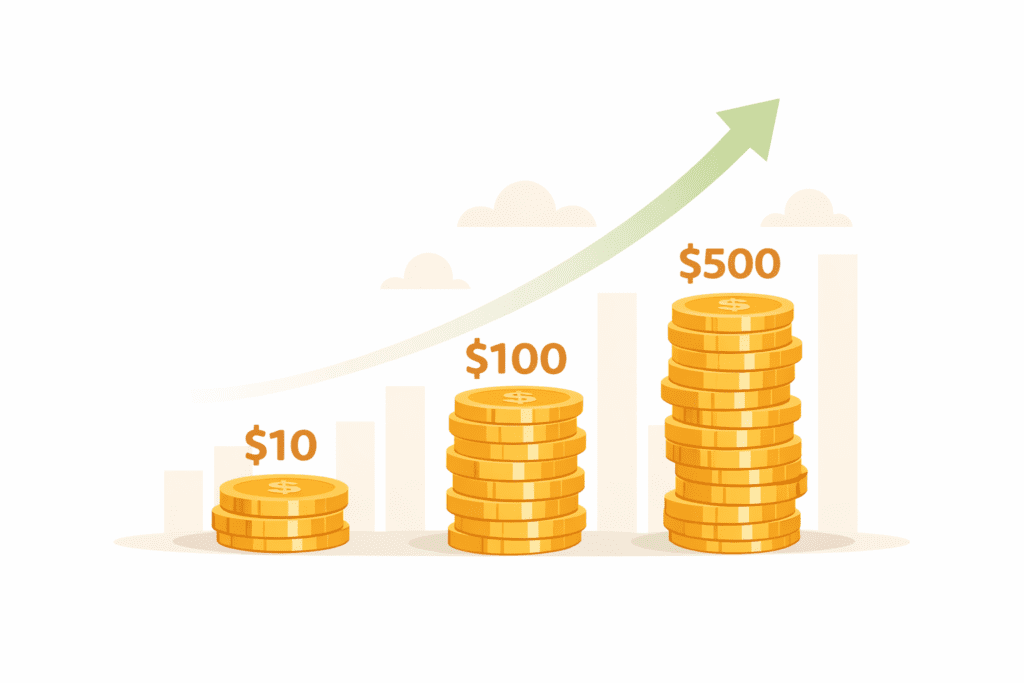
People love saying, “I’ll invest when I make more money.” Sounds logical, right? IMO, that mindset delays progress more than it helps. Starting small builds habits, and habits beat motivation every single time.
When you start investing with little money, you:
- Learn how markets move without panic-selling
- Build confidence with real money on the line
- Avoid expensive beginner mistakes
I’d rather mess up with $50 than $5,000. Wouldn’t you?
Time beats money every time
Time does the heavy lifting in investing. Compound growth rewards consistency, not huge deposits. When you invest early—even with small amounts—you give your money more time to grow.
Ever noticed how everyone wishes they started sooner? That’s not a coincidence.
Get Your Money Right Before You Invest

You don’t need perfection, just a plan
Before you start investing with little money, clean up the basics. I don’t mean spreadsheets and color-coded budgets (unless that’s your thing). I mean clarity.
Focus on three things:
- Track where your money goes
- Build a small emergency fund
- Avoid high-interest debt
If credit cards charge you 20% interest, investing for 8% won’t help much. I learned that the hard way :/
Emergency fund = peace of mind
Start with $500 to $1,000 in savings. This fund keeps you from pulling money out of investments when life throws a tantrum. Flat tire? Covered. Random medical bill? Handled.
Peace of mind matters more than market timing.
How to Start Investing with Little Money (For Real)
You don’t need a “perfect” moment
Waiting for the perfect time feels productive, but it usually turns into procrastination. The best time to start investing with little money is when you decide to start. Simple as that.
You can begin with:
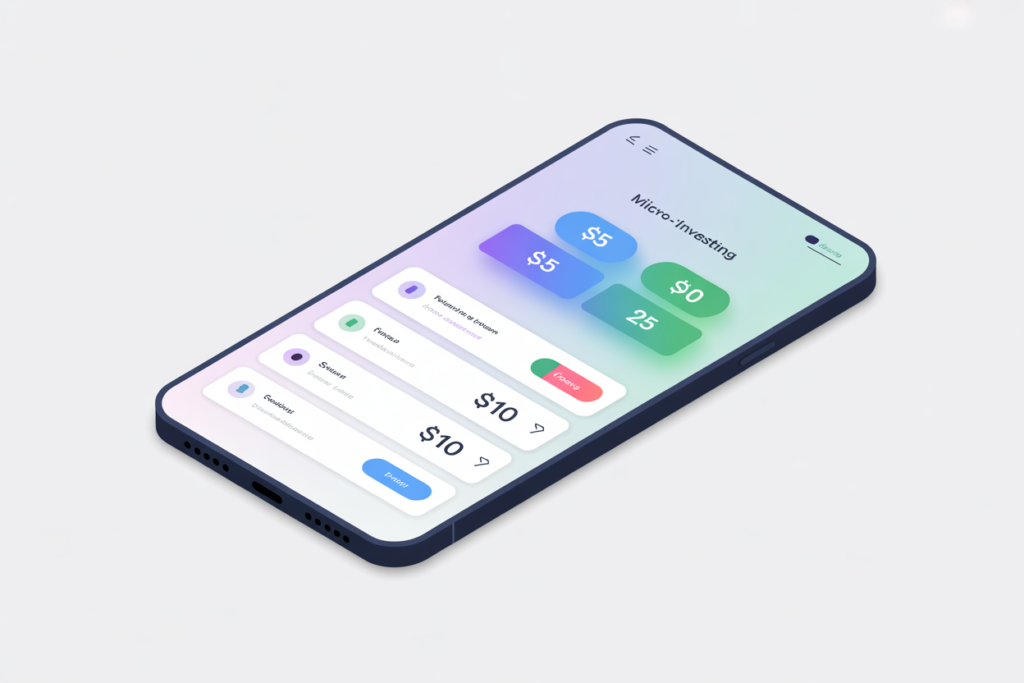
- $5
- $10
- $25
Yes, really.
Micro-investing apps make it stupidly easy
Micro-investing platforms changed the game. I love them because they remove excuses. You can invest spare change without even noticing.
Here’s why they work so well:
- Low or no minimum investment
- Automatic contributions
- Beginner-friendly interfaces
Set it once, forget about it, and let consistency do its thing.
Stocks vs ETFs vs Index Funds (The Beginner Breakdown)

Individual stocks: exciting but risky
Buying single stocks feels fun. You pick a company, cheer it on, and hope for the best. I’ve done it, and yeah—it’s thrilling.
But here’s the catch:
- Higher risk
- More research required
- Bigger emotional swings
If you start investing with little money, one bad stock hurts more than you expect.
ETFs and index funds: boring but powerful
I’ll say it straight—index funds win for beginners. They spread your money across many companies, so one bad apple doesn’t ruin the whole basket.
Why I recommend them:
- Instant diversification
- Lower fees
- Less stress
Boring investing often makes the most money. Go figure.
The Magic of Fractional Shares
You don’t need to buy whole shares anymore
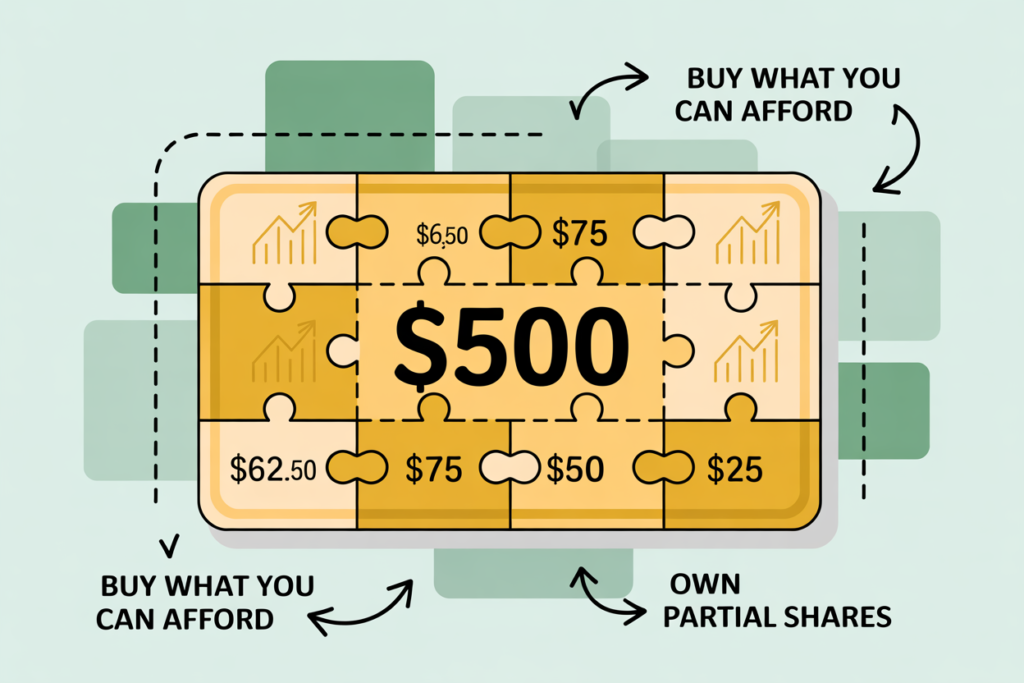
Back in the day, expensive stocks blocked beginners. Now? Fractional shares let you buy slices of a stock instead of the whole thing.
That means:
- You can invest $10 in a $300 stock
- Price doesn’t limit you anymore
- You stay diversified with small cash
This feature alone makes it easier than ever to start investing with little money.
Automate Everything (Seriously)
Motivation fades, systems don’t
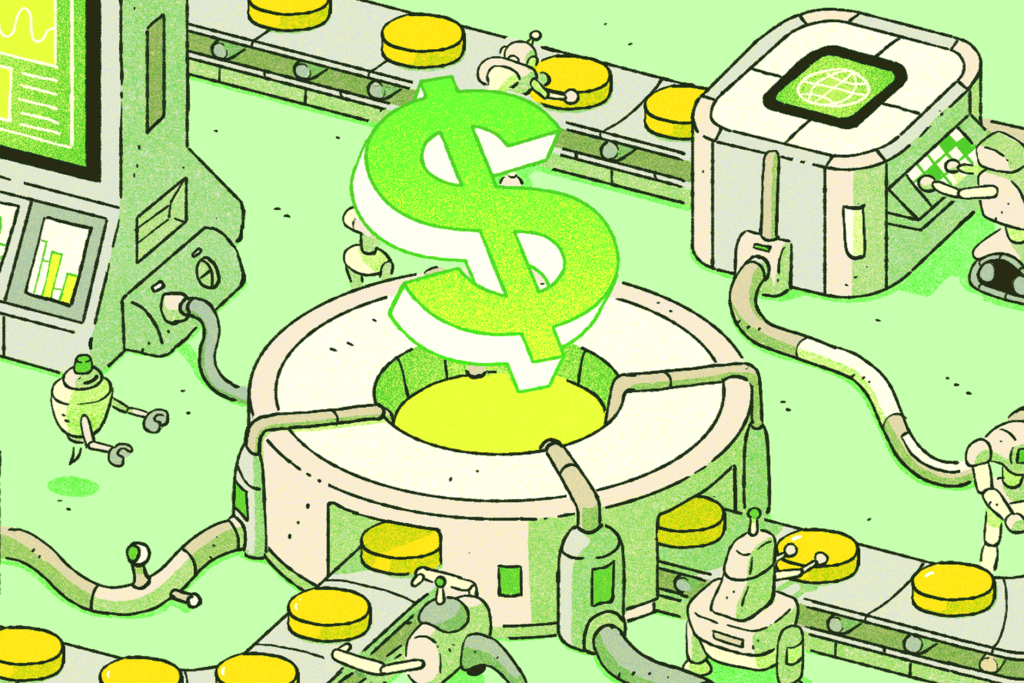
I trust systems way more than willpower. Automatic investing removes emotion, and emotion ruins portfolios faster than bad picks.
Set up:
- Weekly or monthly auto-investments
- Automatic transfers from checking
- Reinvestment of dividends
Once automation kicks in, investing feels effortless. FYI, this is how most successful investors stay consistent.
Common Mistakes Beginners Make (So You Don’t)
Trying to get rich fast
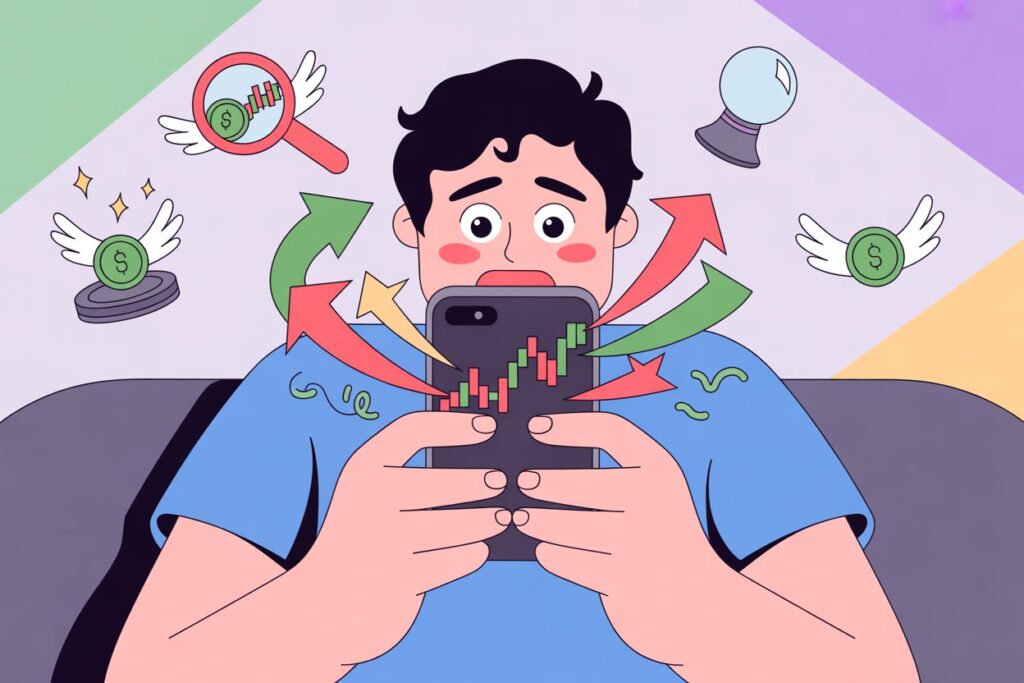
If someone promises quick returns, run. Investing rewards patience, not hype. I’ve chased “hot tips” before, and they rarely end well.
Checking your account every day
Markets move. A lot. Watching daily swings messes with your head and leads to bad decisions.
Do this instead:
- Check monthly or quarterly
- Focus on long-term growth
- Ignore short-term noise
Your future self will thank you.
How Much Should You Invest Each Month?
Start small and scale up
You don’t need a magic number. Start with what feels comfortable and increase it over time.
A simple approach:
- Begin with 5–10% of your income
- Increase after raises or bonuses
- Keep lifestyle inflation in check
Consistency matters more than amount when you start investing with little money.
Long-Term Mindset = Real Results
Investing rewards patience, not perfection
You will make mistakes. I still do. The goal isn’t perfection—it’s progress.
Remember:
- Markets go up and down
- Time smooths volatility
- Staying invested beats timing the market
Ever noticed how people panic during drops and regret selling later? Don’t be that person.
Final Thoughts: Just Start Already

Starting small doesn’t mean thinking small. When you start investing with little money, you build momentum, confidence, and real financial skills.
You don’t need:
- Perfect timing
- Tons of cash
- Expert knowledge
You need a decision and a little patience. Start messy. Start small. Just start. 😊
So, what’s stopping you now—fear, confusion, or just overthinking? Pick one tiny step today, and let future-you handle the rest.