
How to Start Budgeting When You’re Overwhelmed (Beginner-Friendly Guide)
You don’t need a spreadsheet empire or a color-coded binder to get your money under control. You need a few simple steps, a bit of honesty, and maybe a snack. Budgeting feels overwhelming because money touches everything—and everything feels urgent. Let’s shrink it down, make it doable, and get you moving today, not someday.
Start Small: The One-Page Plan
Forget the perfect budget. You just need a quick snapshot that helps you make decisions this week. Grab a note app or a piece of paper and write three lines:
- Income (monthly): What actually hits your account.
- Must-Pays: Rent/mortgage, utilities, minimum debt payments, groceries, transport, phone.
- Everything Else: Eating out, fun, subscriptions, shopping, random Amazon “emergencies.”
You don’t need exact numbers yet—estimates work. The point isn’t precision. It’s clarity. Once you see the shape of your month, you’ll feel less chaos instantly.
Give Every Dollar a Job (Even If It’s $1)
Budgets fail when money sits around with no purpose. Give your cash a job before you spend it. This creates guardrails without guilt.
The Four Buckets
Think in four containers. Keep it simple:
- Needs: The non-negotiables you must cover to live.
- Wants: The fun stuff you enjoy on purpose, not by accident.
- Goals: Savings, emergency fund, debt beyond the minimums.
- True Expenses: Irregular stuff (car repairs, gifts, annual subscriptions) you’ll pretend are surprises unless you plan for them.
IMO, you can start with rough percentages: 50% Needs, 30% Wants, 15% Goals, 5% True Expenses. Not perfect? Great. Adjust as you go.
Use a Weekly Money Ritual (10 Minutes Tops)
Overwhelm comes from “I’ll deal with it later.” Later becomes “Oh no.” So set a weekly check-in. Keep it stupid simple.
Your 10-Minute Checklist
- Open your accounts: No judgment. Just look.
- Check upcoming bills: Anything due in the next 7–10 days?
- Match transactions: Is your spending aligning with the four buckets?
- Adjust: Move money around if needed. You’re the boss, not the budget.
Pro tip: Do it with coffee or a podcast so it doesn’t feel like punishment.
Automate the Boring Stuff
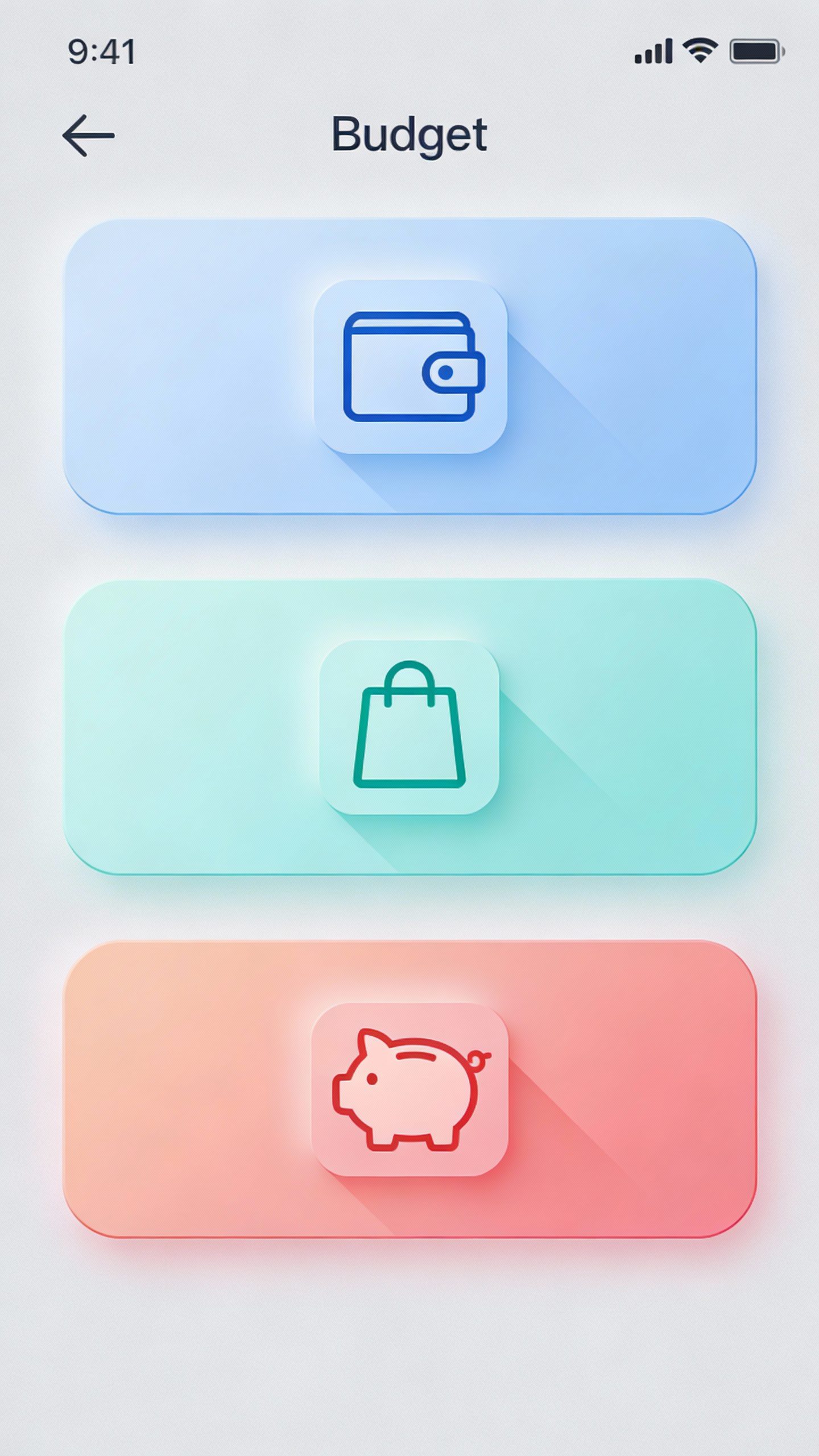
Automation reduces decisions—and decision fatigue makes budgeting feel like a full-time job. Set a few auto-moves and watch your stress drop.
- Autopay must-pays to avoid late fees (rent might be manual, but try).
- Auto-transfer savings on payday, even if it’s $10. Wins build momentum.
- Use separate accounts for spending categories. One for bills, one for daily spending, one for goals. Easy to track, harder to overspend.
FYI: You can automate and still stay flexible. If something changes, adjust. You control the switches.
Track the Big Rocks, Not Every Grain of Sand
You don’t need to categorize every latte to succeed. Track the heavy hitters and let the small stuff be small.
Focus on These
- Housing + utilities (keep under ~35% of take-home if possible)
- Transportation (car, gas, insurance, or transit)
- Food (groceries + dining out combined)
- Debt payments
- Savings/Goals
If you need a shortcut, try this: cap dining out, shopping, and “misc” with a single weekly cash or debit limit. When it’s gone, you’re done. Simple, not fun—but extremely effective.
Cut Without Feeling Deprived

Budgeting doesn’t mean “no fun” forever. It means “fun on purpose.” You can trim spending without living like a hermit.
Quick Wins
- Slash subscriptions you forgot you had (we all have them).
- Switch one habit (e.g., make coffee at home Mon–Thu, treat yourself Fri).
- Buy groceries with a plan for 5 easy meals. Reduce takeout “because I’m tired.”
- Negotiate bills (internet, phone, insurance). A 20-minute call can save real money.
- Limit “scroll purchases” by removing saved cards from shopping apps. Friction helps.
The goal isn’t to be perfect. The goal is to keep your money pointed where you want it—without hating your life.
Tame Debt With One Decision
Pick a payoff method and stick to it. Both work; your consistency matters more than the math in most cases.
- Snowball: Pay off the smallest balance first for quick wins. Great for motivation.
- Avalanche: Pay off the highest interest first to save more money overall.
Can’t decide? IMO, start with snowball for momentum. Once you see progress, you’ll keep going.
Build a Tiny Emergency Cushion

Chaos hits when surprise expenses derail everything. Start with a $500–$1,000 buffer in a separate savings account. This isn’t your “dream vacation fund.” It’s your “car battery died” fund. Refill it if you use it. That small cushion turns “crisis” into “annoyance,” which feels like magic.
Make It Visual (Because Brains Love Pictures)
You don’t need fancy software, but visuals help. Try:
- Progress bars for debt and savings goals (paper, app, or whiteboard).
- Calendar view of bill due dates so nothing surprises you.
- Weekly spending cap displayed on your phone’s lock screen note.
Seeing your wins keeps you engaged. If it feels like a game, you’ll keep playing.
FAQ
What if my income changes every month?
Use a baseline budget. Calculate the average of your last 3–6 months of income. Cover must-pays based on your lowest month, not your best. When you earn more, throw the extra at goals or your buffer. When you earn less, you’ve already planned for it.
Do I need a budgeting app?
Nope. Apps help, but paper works. If you want an app, pick one that lets you assign jobs to dollars and move money easily between categories. If you feel overwhelmed by setup, start on paper for two weeks, then switch.
How do I stick to a budget without feeling restricted?
Give yourself a fun money category—on purpose. Decide ahead of time how you’ll enjoy your money. When you choose your spending, you won’t rebel against it. Restriction without choice = burnout.
Should I build savings or pay off debt first?
Do both, just not equally. Build a small emergency fund (at least $500) so surprise expenses don’t go on your credit card. Then prioritize debt while still contributing a little to savings. Once high-interest debt shrinks, redirect more to savings.
What if I mess up one week?
You will. Cool. Reset. Budgets aren’t contracts; they’re GPS. When you take a wrong turn, you don’t throw the car away. You recalculate and keep going.
Conclusion
You don’t need to master money overnight. Start with one page, four buckets, and a 10-minute weekly ritual. Automate what you can, track the big rocks, and let small wins stack up. You’ll feel less overwhelmed not because life gets easier, but because you’ll finally steer the wheel. FYI: progress beats perfection every time.