

Start a Blog Guide for Beginners (Step-by-Step From Scratch)
So you want to start a blog… but not just any blog. You want a finance blog. Smart move 💰
I still remember staring at my laptop thinking, “Do people really read blogs about saving money?” Spoiler alert: they absolutely do. And some of them make very real dollars doing it.
This start a blog guide walks you through everything step by step—from zero to a legit finance blog—without tech headaches or motivational fluff. Think of this like a friend pulling up a chair, sipping coffee, and explaining exactly what to do (and what not to do).
Ready? Let’s get into it.
Why a Finance Blog Is Actually a Great Idea
Let’s address the elephant in the room first. Isn’t the finance niche too crowded?
Short answer: Nope. Long answer: it’s crowded because it works.
People always want help with:
- Saving money
- Getting out of debt
- Budgeting without crying
- Making extra income
IMO, finance content never goes out of style because money problems never disappear. That’s job security… blog edition.
The key isn’t being different—it’s being relatable.
You don’t need an MBA or Wall Street background. You just need real experiences, clear explanations, and a willingness to help.
Step 1: Pick a Clear Finance Blog Focus (Don’t Skip This)
Here’s where most beginners mess up. They start a blog about everything and then wonder why nothing sticks :/
Instead, pick one primary angle and grow from there.
Beginner-Friendly Finance Blog Ideas
- Frugal living & saving money
- Budgeting for beginners
- Side hustles & extra income
- Paying off debt
- Money mindset & habits
I started broad once. Traffic stayed flat. The moment I focused on practical money tips for beginners, things clicked. Ever wonder why niche blogs grow faster? Because readers know exactly what they’ll get.
Rule of thumb:
👉 If your ideal reader can’t describe your blog in one sentence, your niche needs tightening.
Step 2: Choose a Blog Name That Doesn’t Box You In
Naming a blog feels way harder than it should. Trust me.
What Makes a Good Finance Blog Name?
- Easy to spell
- Easy to remember
- Not too specific
Avoid names like:
- “DaveSaves$3ADay.com” (too limiting)
- “UltimateCryptoMillionaire” (yikes)
Instead, aim for something flexible like:
- Smart Money Habits
- Calm Cash Living
- Budgeted Life Lab
FYI: Your blog name doesn’t need keywords to rank. Google cares more about content quality than fancy names.
Step 3: Buy Hosting + Domain (The Only Money Step)
Yes, blogging isn’t 100% free. But this part costs less than dinner out.
You’ll need:
- A domain name (yourblog.com)
- Web hosting (where your site lives)
Most beginners choose beginner-friendly hosting that offers:
- One-click WordPress install
- Free SSL (security matters)
- Decent support
I recommend WordPress.org (not .com). It gives you full control, especially when you monetize later.
Think of hosting as rent for your blog’s apartment. No rent = no place to live.
Step 4: Set Up WordPress Without Losing Your Mind
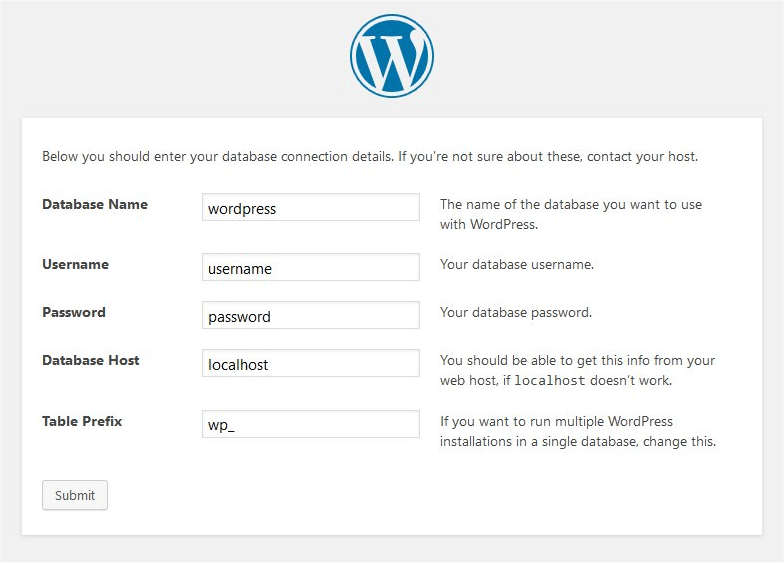
WordPress setup sounds scary until you do it once. Then it feels… almost boring.
Basic Setup Checklist
- Install WordPress
- Pick a clean theme (simple beats fancy)
- Set your site title + tagline
- Delete default posts
Choose a theme that:
- Loads fast
- Looks good on mobile
- Doesn’t scream “2009 blog”
I prefer minimal designs. Finance readers want clarity, not fireworks.
Step 5: Install Only the Plugins You Actually Need
Plugins are tools—but too many will slow your site down.
Beginner Plugin Essentials
- SEO plugin (helps Google understand your content)
- Caching plugin (makes your site faster)
- Security plugin
- Image optimization plugin
That’s it.
More plugins ≠ better blog. I learned this the hard way after breaking my site twice 😅
Step 6: Write Your First Finance Blog Posts (What Actually Works)

This is where the magic happens.
Start with helpful, beginner-focused content. Forget viral dreams for now. Think value first.
Great First Post Ideas
- How I Started Budgeting With $0 Saved
- Frugal Living Tips That Actually Work
- Side Hustles That Pay Small but Fast
- Beginner Budget Mistakes to Avoid
Write like you talk.
If you wouldn’t say it to a friend, don’t write it.
Each post should:
- Solve one problem
- Use simple language
- Include real examples
Ever notice how good blogs feel like conversations? That’s not an accident.
Step 7: SEO Basics Without the Overwhelm
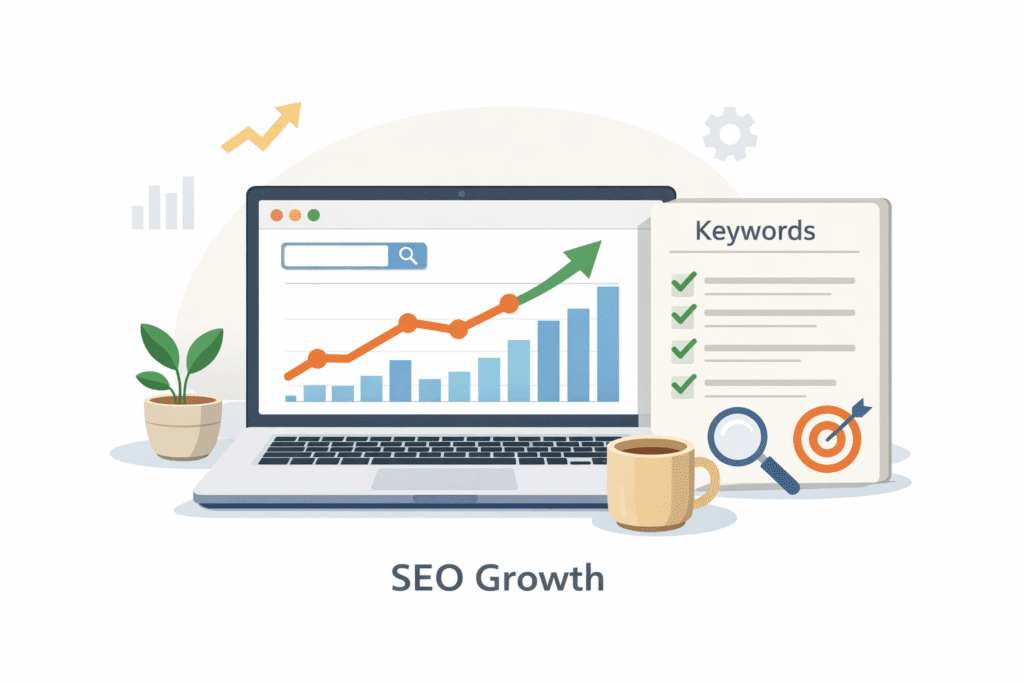
SEO sounds technical, but it’s mostly common sense.
Simple SEO Rules for Beginners
- Use your main keyword naturally
- Write helpful headlines
- Answer real questions
- Keep paragraphs short
For this post, your focus keyword is start a blog guide. You don’t force it. You weave it in naturally—like seasoning, not ketchup overload.
Google rewards clarity. Humans appreciate it too.
Step 8: Pinterest = Traffic Gold for Finance Blogs
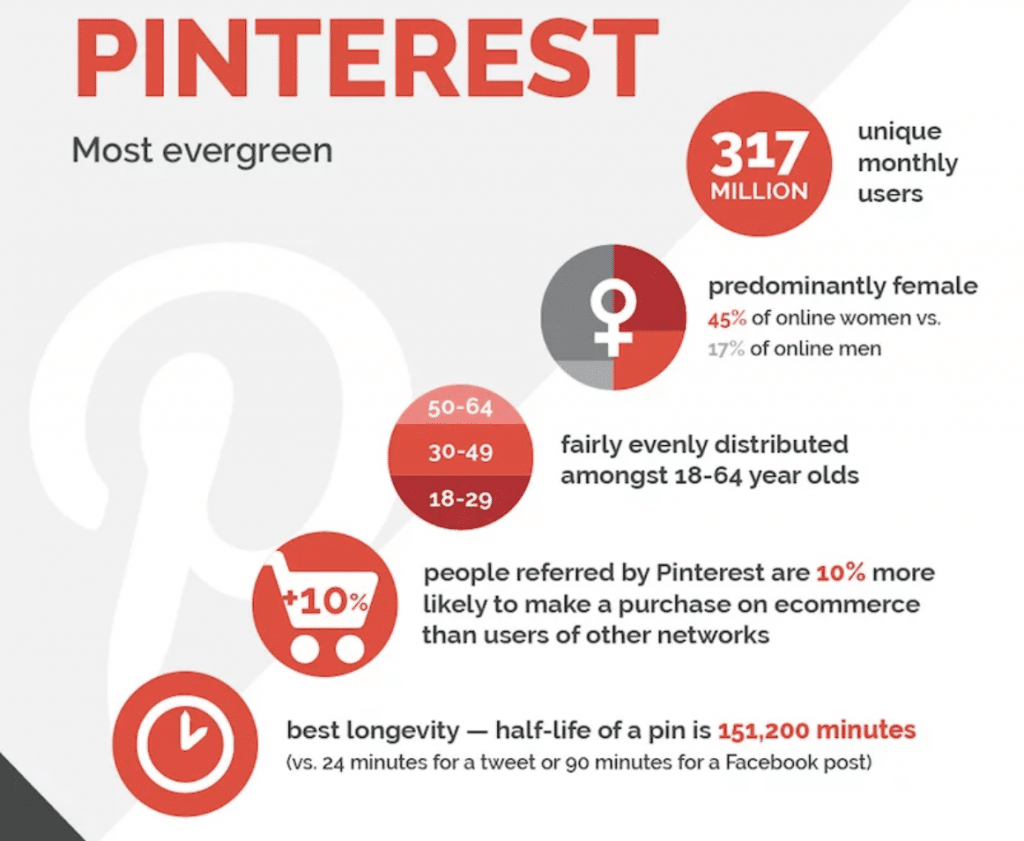
If you’re in the finance niche, Pinterest can become your best friend.
Why?
- Content lives for months
- Beginners can get traffic
- Visual finance tips perform well
Create pins for:
- Budget templates
- Saving challenges
- Side hustle lists
- Step-by-step guides
I’ve seen one pin drive traffic for over a year. No ads. No burnout. Just consistency 🙂
Step 9: Monetize Later (Don’t Rush This Part)
New bloggers obsess over money too early. Ironically, that slows growth.
Smart Monetization Options
- Affiliate links (tools you use)
- Display ads (after traffic grows)
- Digital products (planners, guides)
- Courses or coaching
Build trust first. Monetize second.
Readers smell desperation faster than expired milk.
Step 10: Common Beginner Mistakes to Avoid
Let me save you months of frustration.
Avoid:
- Publishing once a month
- Chasing every trend
- Comparing your blog to year-old sites
- Quitting after 30 days
Progress feels slow… until it isn’t. Blogging rewards patience more than talent.
How Long Does It Take to See Results?
Honest answer?
3–6 months for traction.
9–12 months for real momentum.
Anyone promising overnight success sells dreams, not blogs. But once it clicks, it really clicks.
Final Thoughts: You’re More Ready Than You Think

Starting a finance blog feels intimidating until you realize this:
You already know more than someone else.
This start a blog guide gives you the roadmap. You don’t need perfection. You need action.
Start messy. Learn fast. Adjust often.
And one day, you’ll laugh at how nervous you felt today 🙂
So… when are you starting your blog? 😉