
Smart Money Habits That Save You More Each Month: Simple Wins
If you’re serious about saving, you don’t need a shrine to spreadsheets. You need smart habits that actually stick. Let’s cut the fluff and talk about money moves that add up fast—without turning your life into a full-time accounting project.
Hack Your Income, Not Your Dreams
You don’t have to land a six-figure gig to save more each month. You just need to optimize what you already have. Small, intentional shifts beat grandiose, unrealistic plans every time.
– Start with a simple rule: save first, spend what’s left. If you wait to see what’s “left,” you’ll never save much.
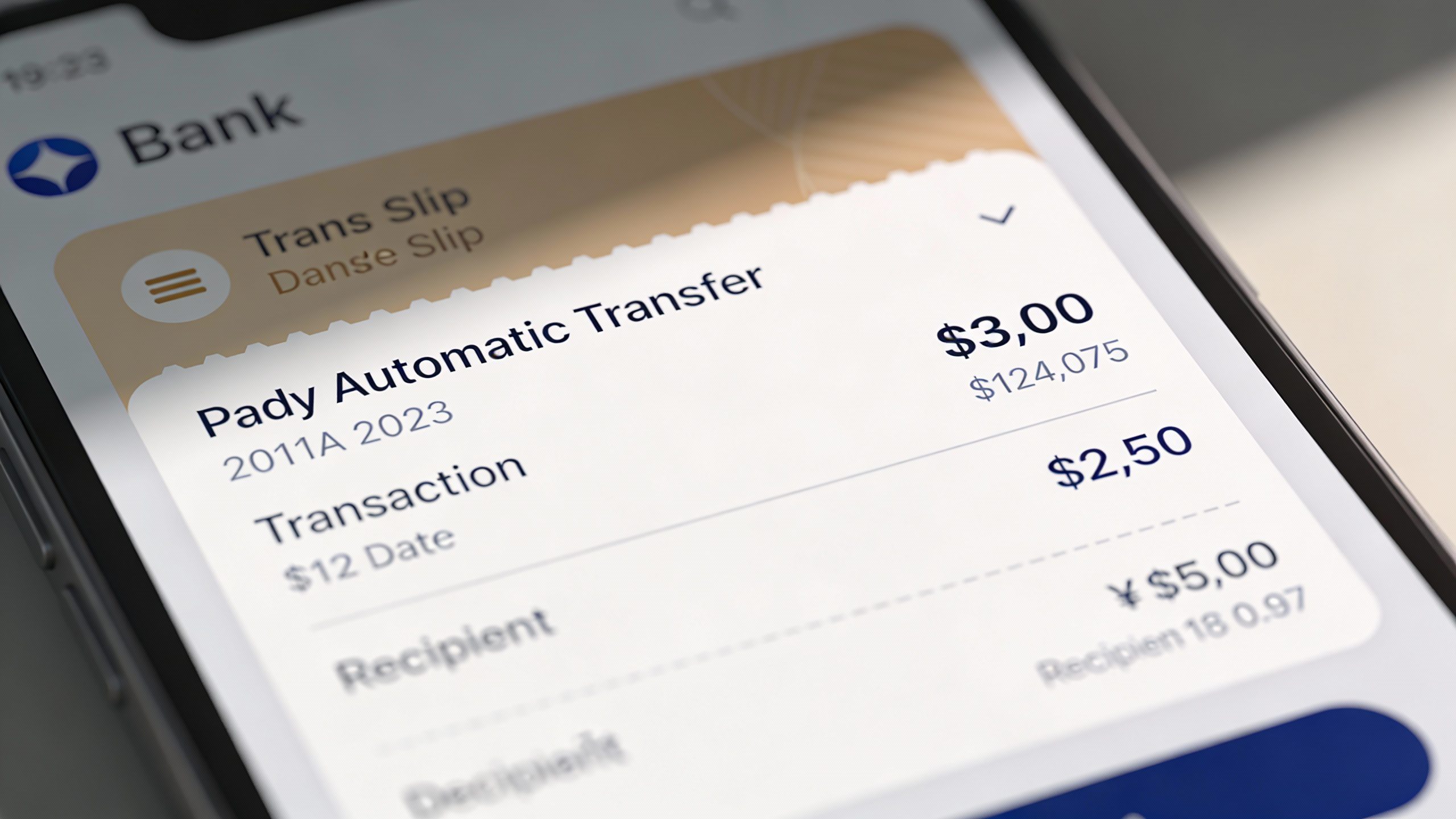
– Automate anywhere possible. Direct deposits to savings, bill payments, and even micro-investing remove the temptation to spend.
– Track the obvious leaks. Coffee runs? Subscriptions you forgot you had? Identify a few big culprits and snip them.
- Set up an automatic baseline transfer to savings on payday.
- Review discretionary spending once a month; cut one thing right away.
- Move leftover funds into a high-interest savings or an accessible emergency fund.
Smart Budgeting That Doesn’t Feel Like a Diet
Budgets get a bad rap because they feel punitive. The right budget feels like a toolkit—clear, flexible, and actually easy to follow.
– Give every dollar a job. If you earn $3,000, decide where it goes before the month starts.
– Use a “30-day wait” for impulse buys. If you still want it in a month, get it. If not, you saved the cash.
– Embrace variable spending. Not everything needs a fixed number—groceries, gas, and fun can flex as needed.
Envelope-ish System Without the Mess
A modern twist on the classic envelope approach can work with apps and digital wallets.
– Allocate virtual envelopes for essentials, fun, and long-term goals.
– Refill them monthly based on reality, not wishful thinking.
– If you overspend in one category, trim another instead of breaking the whole budget.
Debt Dials: Minimums Aren’t The Boss
If you carry debt, you’re likely paying interest that’s eroding your monthly savings.
– List debts by interest rate. Target the highest one first.
– Consider a consolidated loan or balance transfer if you can save more in interest than you pay in fees.
– The goal isn’t to be debt-free overnight; it’s to reduce the interest you’re handing over and free up cash.
Automate Like a Boss
Automation is the secret weapon you only realize you needed when life gets chaotic. It’s the autopilot for your finances.
– Automate savings on payday. Even $25 or $50 can compound into real money over time.
– Automate bill payments to avoid late fees and service shutoffs.
– Set calendar reminders for quarterly expenses (insurance, memberships) so you’re not blindsided.
Micro-Investing for People Who Hate Numbers
If you hate thinking about market moves, micro-investing is your friend.
– Round up purchases and invest the difference. It sounds tiny, but it adds up.
– Choose low-fee index funds for broad exposure without the drama.
– Revisit your goals every 6–12 months to stay motivated.
Smart Shopping: Get the Most Value Without Turning Into a Coupon Warrior

Smart shopping isn’t about depriving yourself; it’s about maximizing value.
– Compare unit prices, not just sticker totals. A higher upfront price can be cheaper per unit.
– Buy in bulk for non-perishables if you actually use them and have storage.
– Use loyalty programs, but don’t chase points at the expense of better deals.
Subscriptions Under the Microscope
Subscriptions are sneaky monthly drains if you’re not paying attention.
– Audit every subscription quarterly. Cancel those you don’t actually use.
– Move important services to annual plans if they’re cheaper and you’ll use them consistently.
– Share plans with family or roommates when possible (where allowed) to cut costs.
Energy, Food, and Lifestyle: Save Without Sacrificing Joy
Living well and saving money aren’t mutually exclusive. Tiny wins in daily life compound fast.
– Batch cook and meal prep. It saves money and reduces waste. Also, no more “eat out again” guilt.
– Turn down the thermostat a notch, and wear a sweater. Small climate tweaks pay off.
– Embrace free or low-cost hobbies. Local meetups, parks, libraries, and online communities can scratch the itch without a credit card.
Energy-Smart Habits that Really Add Up
A few switches can lower your bill noticeably.
– Use programmable thermostats or schedule times to heat/cool. It’s the simplest “set and forget.”
– Switch to LED bulbs. The upfront cost is small; the long-term savings are significant.
– Unplug idle electronics. Phantom loads steal a surprising amount of energy.
Emergency Fund: The Buffer That Keeps Your Life Calm

An emergency fund isn’t just for doom-scrolling headlines. It’s for real life.
– Aim for 3–6 months of essentials, then grow from there.
– Keep it liquid in a high-yield savings account so you can access it quickly.
– Treat it like your financial safety net. When things pop up, you don’t panic—your fund does.
Where to Start If You’re New
– Start with a small target, like $500, and celebrate every milestone.
– Automate a regular transfer, even if it’s tiny.
– Reassess monthly until you’re consistently filling it.
The Mindset That Makes It Stick
Habits aren’t built on numbers alone; they’re built on behavior. The best plan in the world dies a quiet death if you don’t actually follow through.
– Make saving emotionally painless. If you’re emotionally attached to the money you’re saving, you’ll lose patience.
– Use accountability, even casually. Tell a friend your goal or post a monthly update.
– Celebrate small wins. Reward yourself in a non-financial way to keep motivation up.
Momentum Tricks You’ll Actually Use
– Pair a new habit with an existing one. For example, after you pay rent, trigger your savings transfer.
– Create a visual progress tracker. A simple chart with stamps or checkmarks is surprisingly satisfying.
– Keep a “money win” log. Jot down every time you avoid an unnecessary expense or hit a savings milestone.
FAQ
How much should I save each month?
The quick answer: save as much as you can without derailing daily life. A practical starting point is 10–20% of take-home pay, but adjust based on your goals, debt, and expenses. The key is consistency, not perfection.
Is it better to cut expenses or increase income for faster savings?
Both work, but they serve different needs. Cutting expenses gives you leverage immediately and reduces living cost creep. Increasing income accelerates growth, especially if you can do it without burning out. A healthy mix usually wins.
Do I really need an emergency fund separate from savings?
Yes. An emergency fund protects you from dipping into long-term goals or racking up debt when surprise costs hit. Keep it easily accessible and separate from your “fun money” or investment accounts.
What about debt—should I pay it off first or save?
If you’re carrying high-interest debt, prioritize paying it down. The return on paying down debt can exceed typical savings rates. After high-interest debt is under control, ramp up your savings and investments.
How do I stay motivated to save long-term?
Make it visible and personal. Set tiny, frequent goals, celebrate progress, and keep your eye on the bigger picture. FYI, tracking milestones and sharing progress helps accountability.
Conclusion
Saving money isn’t about heroic willpower or a gadgets-only strategy. It’s about smart, repeatable actions that remove friction and keep you moving forward. Automate the boring stuff, trim the obvious leaks, and still treat yourself to life’s pleasures—just smarter about where your dollars go.
If you start with a baseline habit—save first, spend second—you’ll be amazed at how fast your monthly balance grows. So pick one habit to start this week, and tell me which one you’re trying. I’ll cheer you on, and we’ll iterate from there.