Smart Money Habits That Save You Money
Let me guess—you make decent money, yet somehow it disappears faster than fries at a road trip stop. I’ve been there. One minute your paycheck hits, the next minute you’re staring at your bank app like, “Wait… who spent all this?” 😅
That’s exactly why smart money habits save money better than any fancy budgeting app or viral finance hack. You don’t need to be a spreadsheet wizard. You just need a few habits that quietly do the heavy lifting while you live your life.
I’ve tested these habits myself, messed up plenty of times, and figured out what actually sticks. Let’s talk like friends and fix your money without killing your vibe.
Why Smart Money Habits Matter More Than Your Income
Here’s a spicy truth: earning more doesn’t automatically mean saving more. I’ve watched people making six figures live paycheck to paycheck. Wild, right?
Smart money habits save money because they:
- Reduce decision fatigue (fewer “Should I buy this?” moments)
- Prevent small leaks that quietly drain your wallet
- Create consistency, which beats motivation every time
Ever noticed how rich people don’t obsess over coupons every day? They build systems. Want the same energy?
Pay Yourself First (Yes, Before Netflix)
This Habit Changes Everything
If you wait to save whatever’s “left over,” spoiler alert: nothing stays left over. I learned this the hard way.
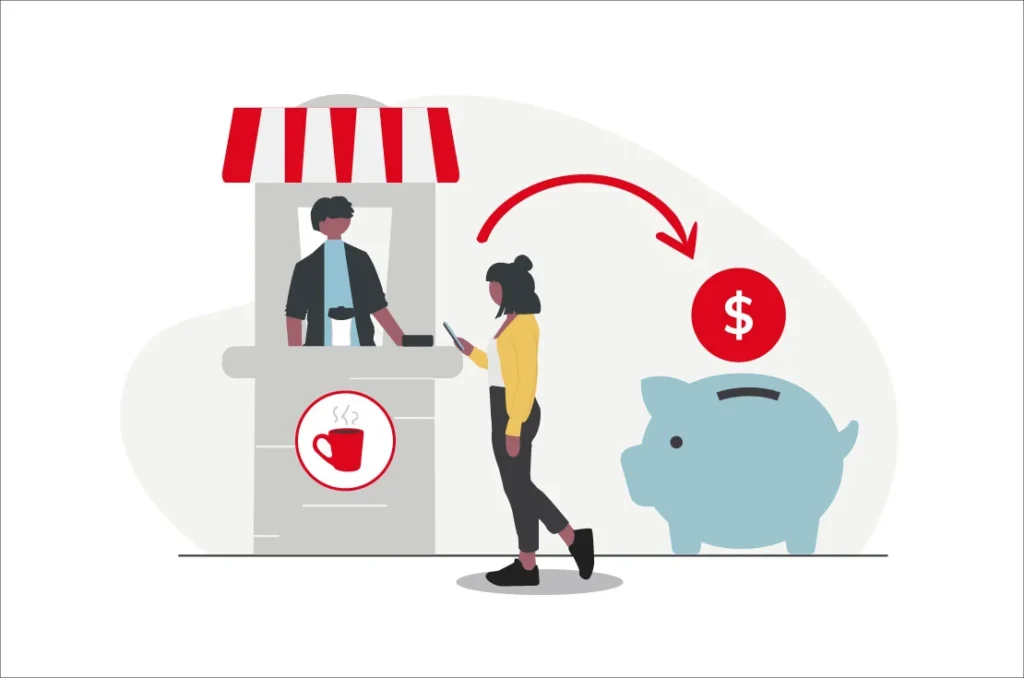
Paying yourself first means you save the moment your paycheck hits. No drama. No willpower battle.
Here’s how I do it:
- Automatically move 10–20% of each paycheck to savings
- Treat savings like a non-negotiable bill
- Adjust spending around what’s left, not the other way around
Feels scary at first, doesn’t it? But after two pay cycles, you stop noticing. Your future self sends a thank-you note.
Track Spending (Without Becoming a Budget Zombie)
Awareness Beats Restriction
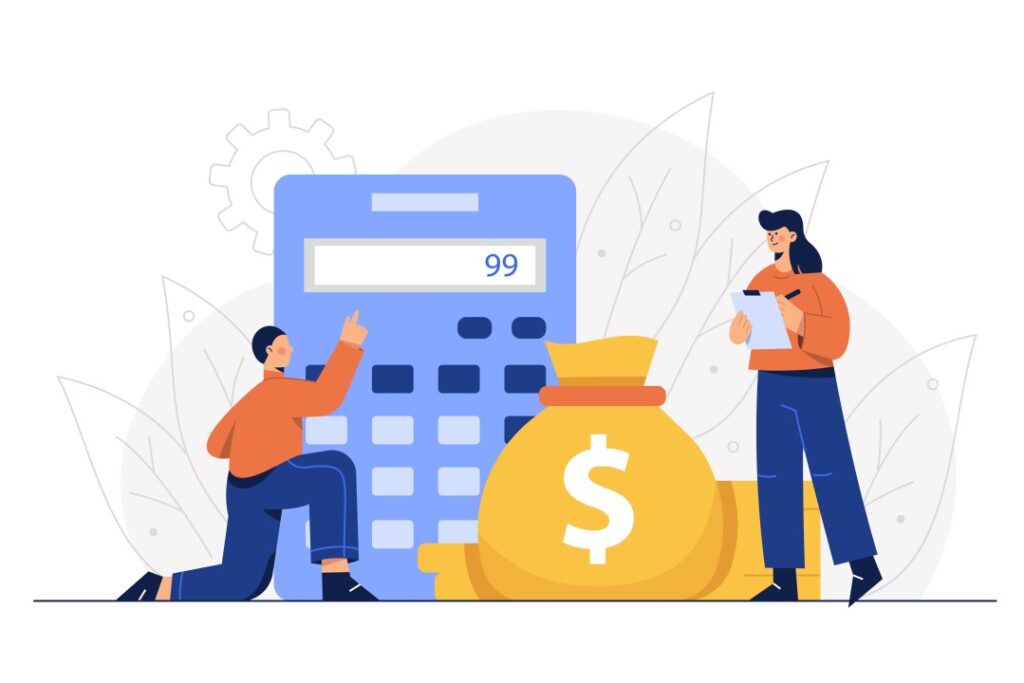
I hate strict budgets. They make me rebel. So I track spending instead. Big difference.
When I started tracking, I didn’t change anything. I just watched. And wow… the random Amazon orders exposed themselves fast.
Tracking works because it creates awareness, not guilt.
Try this:
- Check transactions once a week
- Label categories loosely (food, fun, bills)
- Look for patterns, not perfection
Ever wondered why your money vanishes but you swear you didn’t buy anything? Yeah… tracking answers that question real quick.
Kill the “Small” Expenses That Aren’t Actually Small
Subscriptions Are Sneaky Little Ninjas
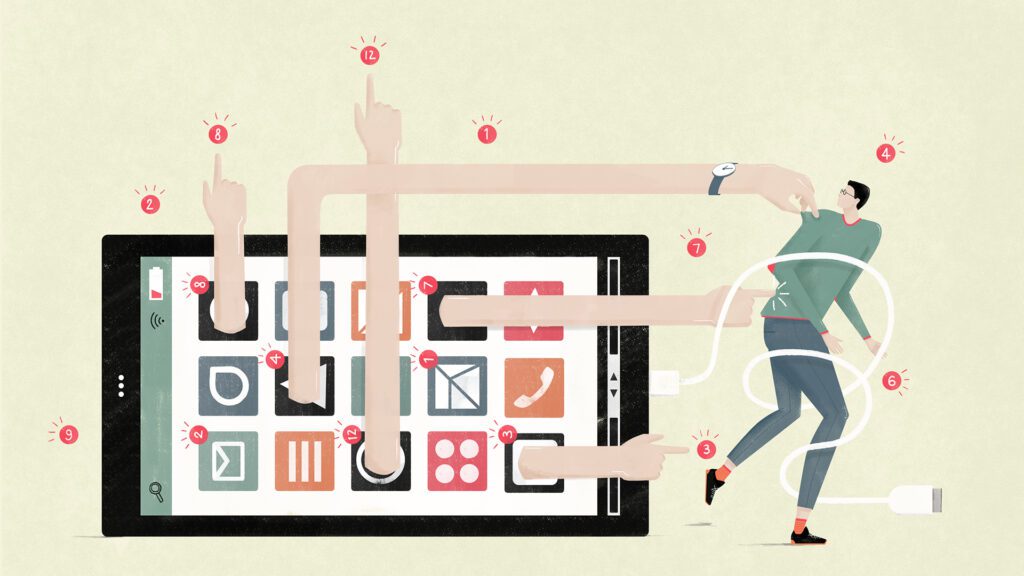
$9.99 here. $14.99 there. Suddenly you’re funding six apps you forgot existed.
I once paid for a meditation app and a sleep app. Guess how often I used them? Exactly.
Smart money habits save money by cutting silent expenses:
- Cancel unused subscriptions every 90 days
- Downgrade plans you barely use
- Share family plans where possible
FYI, companies count on you forgetting. Don’t give them that satisfaction 🙂
Spend Intentionally, Not Emotionally

Feelings Are Expensive
Stress shopping is real. So is boredom shopping. I’ve added things to my cart just because Tuesday felt long.
Now I pause before spending and ask one question:
“Will I still want this in a week?”
Nine times out of ten, the answer saves me money.
Try this simple rule:
- Wait 24 hours before non-essential purchases
- Keep a “want list” instead of impulse buying
- Reward yourself intentionally, not randomly
IMO, spending feels way better when you choose it on purpose.
Use Credit Cards Like a Tool, Not Free Money

Credit Isn’t Evil—Bad Habits Are
Credit cards don’t ruin finances. Using them emotionally does.
I use credit cards for:
- Cash back rewards
- Fraud protection
- Convenience
But I never carry a balance. Ever.
Smart rules I live by:
- Pay the full balance every month
- Never swipe without knowing how you’ll pay it off
- Skip “buy now, panic later” thinking
Ever paid interest on something you don’t even own anymore? Yeah… never again.
Make Saving Automatic and Boring (That’s the Point)
Boring Saves More Than Motivation
Motivation fades. Automation doesn’t.
I automate:
- Emergency fund deposits
- Short-term savings
- Long-term investments
Once set up, I don’t think about it. And that’s the magic.
Start small if needed:
- $25 per paycheck still counts
- Increase amounts every few months
- Let time do the heavy lifting
Ever noticed boring routines create the best results? Money works the same way.
Plan for Irregular Expenses (So They Stop Wrecking You)
Surprise Bills Aren’t Surprises
Car repairs. Gifts. Annual subscriptions. These expenses act shocked every year… even though they show up every year.
Now I keep a “future expenses” fund. Game changer.
Common categories to plan for:
- Car maintenance
- Holidays and birthdays
- Medical costs
- Annual renewals
Smart money habits save money by removing panic from predictable expenses. Less stress = fewer bad decisions.
Learn One Money Skill at a Time
You Don’t Need to Know Everything
Trying to master budgeting, investing, taxes, and real estate at once burns people out fast.
I focus on one skill per season:
- This month: spending awareness
- Next month: emergency fund
- Later: investing basics
Progress beats overwhelm every time.
Ever quit something because it felt like too much? Yeah… let’s not do that with money.
Raise Your Standards, Not Just Your Income
Lifestyle Creep Is Real
When income rises, spending loves to rise faster. New phone. Better car. More eating out. Suddenly the raise feels invisible.
Now I ask:
“Will this upgrade improve my daily life or just my ego?”
That question saves me thousands.
Strong standards look like:
- Delaying upgrades
- Prioritizing peace over appearances
- Spending on what actually matters
Flexibility beats flexing. Always.
Build an Emergency Fund (So Life Stops Feeling Fragile)

This Is Your Financial Seatbelt
An emergency fund doesn’t make you rich. It makes you calm.
I aim for:
- 3–6 months of basic expenses
- Kept in a boring, safe savings account
- Used only for real emergencies
Car trouble stops being scary when you’re prepared. Ever slept better knowing you’ve got backup? Exactly.
Conclusion: Small Habits, Big Wins

Here’s the deal—smart money habits save money not because they’re flashy, but because they work quietly in the background. You don’t need perfection. You need consistency.
Start with one habit:
- Automate savings
- Track spending
- Cancel one useless subscription
Then build from there. Your money should support your life, not stress you out. And hey, if future-you could talk, they’d probably say, “Nice move.” 😉
Ready to put one habit into action today? Your bank account is waiting.