
Simple Money Habits for Beginners
Money feels weird at first. One minute you feel totally in control, and the next minute your bank app hits you with that “Are you sure?” energy. I’ve been there. I learned the hard way that simple money habits for beginners matter way more than fancy spreadsheets or finance gurus yelling on YouTube.
This guide talks friend-to-friend. No lectures. No guilt. Just practical habits that actually work in real life, especially if you’re just getting started and don’t want money to feel scary anymore 🙂
Why Simple Money Habits Matter More Than You Think

Big money goals sound exciting. “I’ll save $100,000!” “I’ll invest like a Wall Street pro!” Cool dreams. Terrible starting point.
Simple money habits for beginners build confidence first. Confidence beats complexity every single time. When you trust yourself with small money decisions, bigger ones stop feeling impossible.
Ever notice how people who “suck with money” usually skip the basics? They don’t fail because they lack intelligence. They fail because they skip boring habits that quietly win.
Pay Yourself First (Yes, Before Netflix)
This habit changes everything
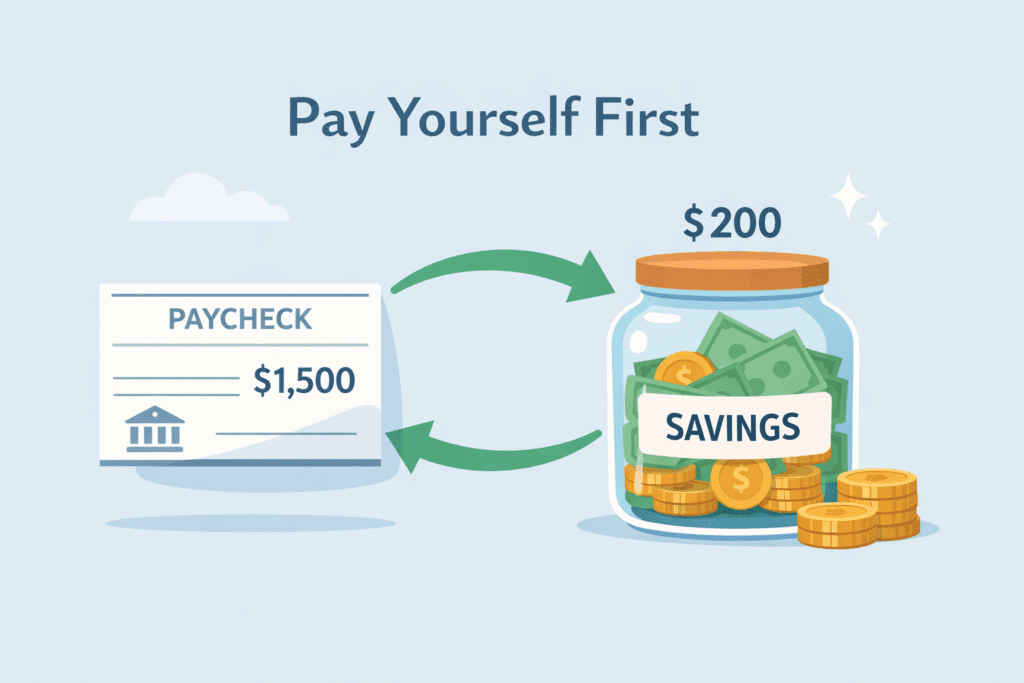
If I could tattoo one money rule on my past self, this would be it. Pay yourself first. Not after bills. Not after fun. First.
When your paycheck hits, move money into savings immediately. No thinking. No debating. Just action.
Why does this work so well? Because willpower fails after a long day, but automation never gets tired.
How to make it stupidly easy
You don’t need a complex setup. Start simple:
- Automatically move $50–$100 per paycheck into savings
- Treat savings like a non-negotiable bill
- Increase the amount slowly as income grows
FYI, your brain adapts fast. After a few weeks, you stop missing the money entirely.
Track Spending Without Driving Yourself Crazy
Awareness beats restriction
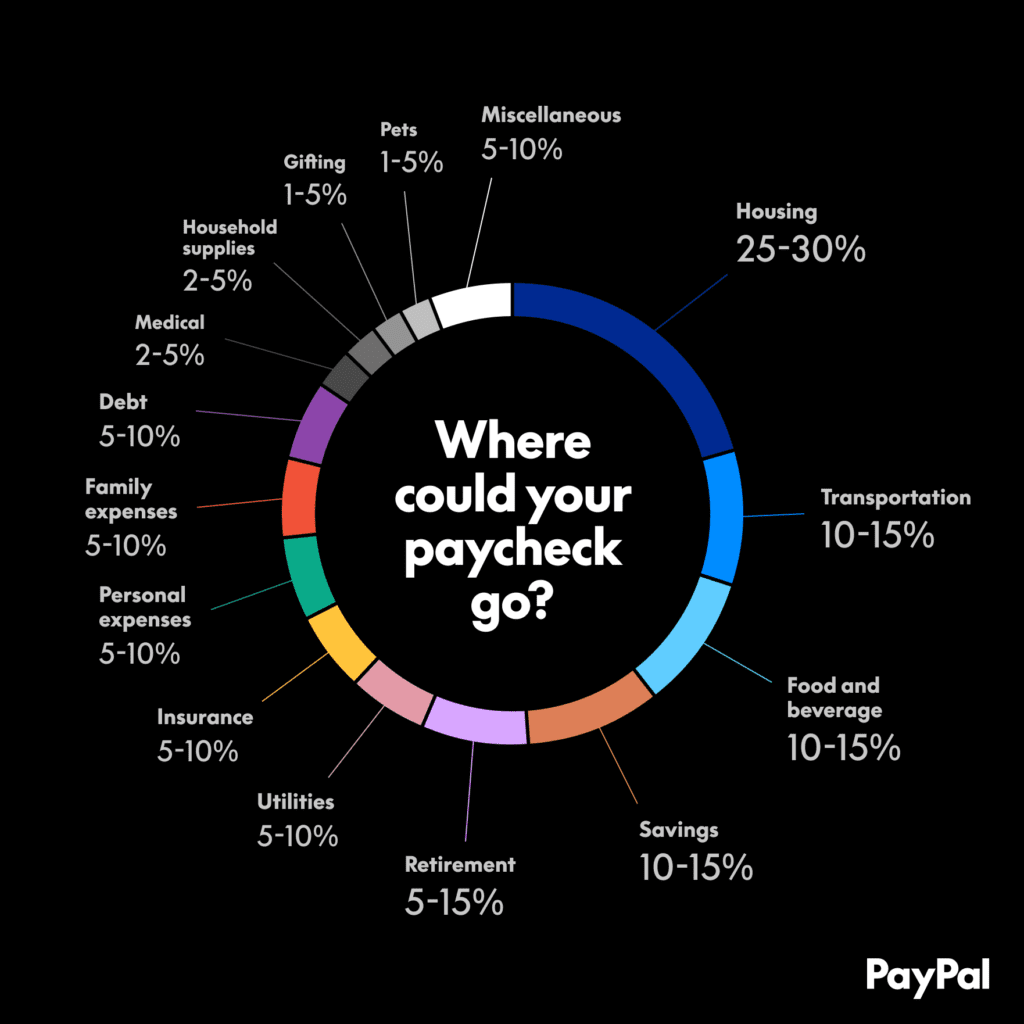
Most beginners think budgeting means punishment. Nope. Tracking spending simply shows you the truth. And yes, sometimes the truth hurts a little :/
I once realized I spent over $300 a month on random takeout. Not fancy dinners. Just lazy decisions. That moment changed everything.
Keep tracking simple
You don’t need to log every penny forever. Start with categories:
- Rent or mortgage
- Groceries
- Eating out
- Subscriptions
- “What even was this?” spending
Once you see patterns, you naturally start adjusting. No shame required.
Build a Starter Emergency Fund (Even If It Feels Small)
Small funds still save big stress
An emergency fund doesn’t need to impress anyone. $500 can save you from debt. Seriously.
When life throws surprise expenses, beginners usually panic-swipe a credit card. An emergency fund lets you stay calm instead.
Ever felt that pit in your stomach when your car makes a weird noise? Same. Cash fixes that anxiety fast.
How to build it without stress
Start boring. Boring works.
- Aim for $500 first
- Then grow toward $1,000
- Keep it separate from spending money
IMO, peace of mind beats high returns at this stage.
Learn to Say No to Lifestyle Inflation
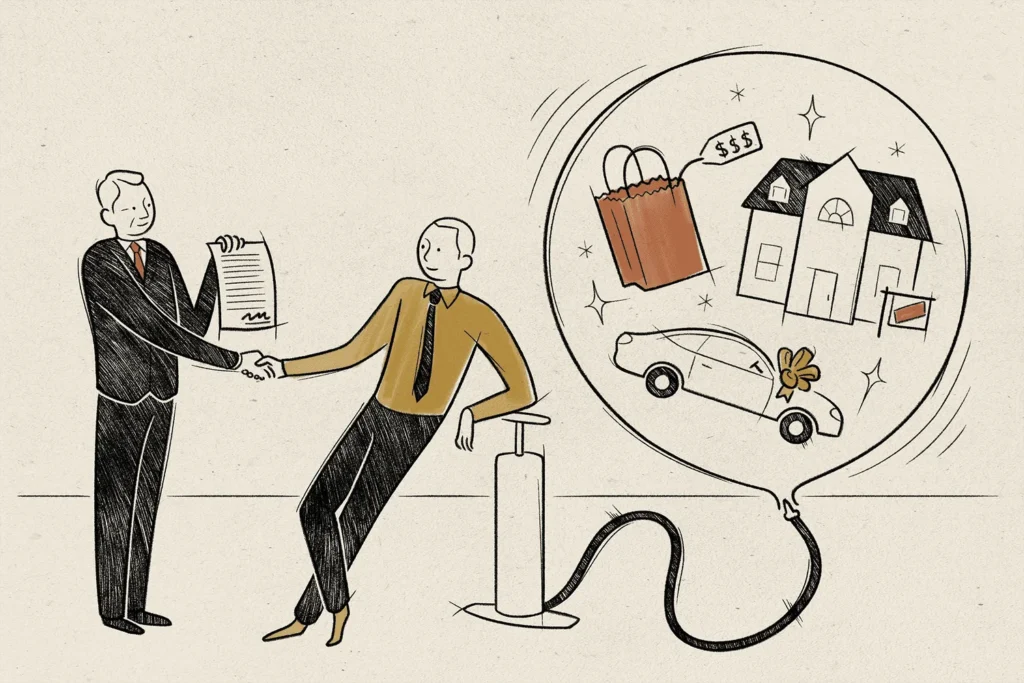
Raises don’t mean spending sprees
You earn more money. You feel richer. You upgrade everything. Suddenly, you feel broke again. Sound familiar?
Lifestyle inflation quietly steals progress. It doesn’t feel dangerous, which makes it sneaky.
I learned to pause after raises. I upgraded one thing on purpose and saved the rest. That habit kept my finances sane.
A smarter upgrade rule
Before increasing spending, ask yourself:
- Does this upgrade improve daily life?
- Will I care about this in six months?
- Can future me afford this comfortably?
If you can’t answer confidently, wait. Waiting costs nothing.
Use Credit Cards Like Tools, Not Free Money
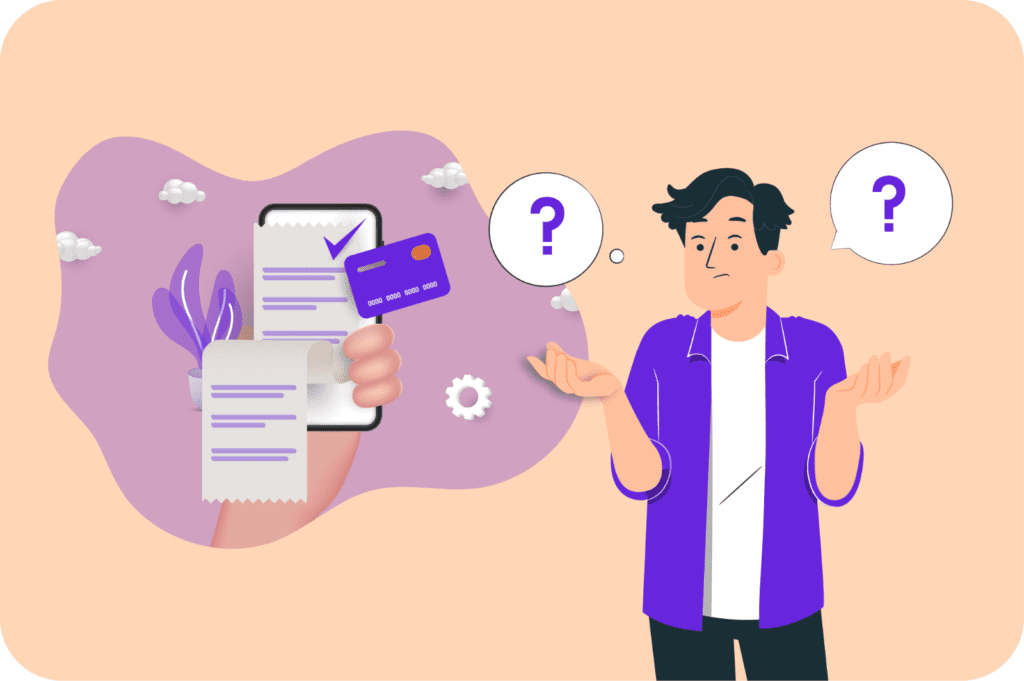
Credit cards don’t equal income
Credit cards help beginners build credit fast. They also destroy finances fast when misused. Both statements stay true.
Use credit cards only for money you already have. That mindset prevents debt from sneaking in.
Ever noticed how easy swiping feels compared to handing over cash? Yeah, that’s intentional.
Simple credit card rules
Stick to these and you’ll stay safe:
- Pay the balance in full every month
- Never carry balances “just this once”
- Treat rewards as a bonus, not a reason
Points don’t matter if interest eats your paycheck.
Set One Clear Money Goal at a Time
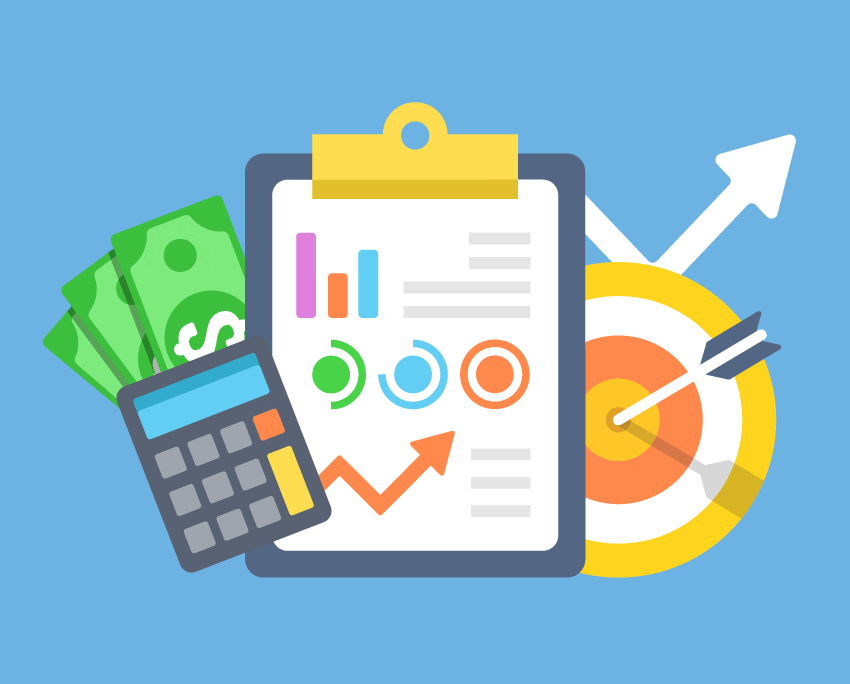
Focus beats motivation
Beginners often chase too many goals. Save, invest, travel, pay debt, buy stuff, repeat. That chaos kills consistency.
Pick one main goal. Give it attention. Everything else can wait.
When I focused only on saving my first $1,000, progress felt fast. Momentum builds motivation.
Examples of beginner-friendly goals
Choose something realistic:
- Build a $1,000 emergency fund
- Pay off one credit card
- Save for a specific purchase in cash
Clear goals beat vague intentions every time.
Automate the Boring Stuff
Automation removes excuses
Motivation fades. Automation stays. That’s the whole secret.
Simple money habits for beginners work best when they run in the background. Less thinking means fewer mistakes.
Once I automated savings and bills, money stress dropped immediately. I stopped second-guessing every decision.
What to automate first
Start with these basics:
- Savings transfers
- Bill payments
- Minimum debt payments
Automation frees mental space for better decisions later.
Learn Before You Invest (Please)
Investing without knowledge feels like gambling
Investing excites beginners, and I get it. Growth sounds fun. Losses don’t.
Before investing, learn the basics. Simple understanding prevents emotional decisions. Emotional decisions cost real money.
Ever panic during market dips? Education reduces that panic fast.
Beginner-friendly investing mindset
Focus on principles, not hype:
- Think long-term
- Ignore daily market noise
- Invest consistently, not emotionally
Slow investing beats fast regret.
Talk About Money (Yes, Really)
Silence creates mistakes
People avoid money conversations like awkward family dinners. That silence causes confusion and bad habits.
Talking about money normalizes learning. You grow faster when you share mistakes and wins.
I learned more from honest conversations than any finance book.
Who should you talk to?
Choose wisely:
- Trusted friends
- Financially responsible family
- Communities focused on growth
You don’t need advice from everyone. Just a few honest voices help.
Forgive Yourself for Past Money Mistakes
Guilt blocks progress
Beginners often carry money shame. Bad decisions happen. Learning matters more.
Forgive yourself and move forward. Dwelling on mistakes doesn’t refund the money.
I made dumb purchases. I ignored savings. I still built better habits later. You can too.
Shift the mindset
Try this instead:
- Treat mistakes as tuition
- Focus on next decisions
- Celebrate small improvements
Progress beats perfection every time.
Keep Money Fun (Yes, Fun)
Enjoying money builds consistency
If money feels miserable, habits won’t stick. Simple as that.
Allow guilt-free spending on purpose. Fun keeps motivation alive.
I budget “fun money” intentionally. That freedom prevents burnout and impulse spending.
Balance matters
Aim for:
- Planned enjoyment
- Conscious choices
- Zero guilt afterward
Money supports life. Life doesn’t exist to suffer for money.
Final Thoughts: Start Simple, Stay Consistent
You don’t need perfection. You need consistency. Simple money habits for beginners work because they fit real life.
Start small. Automate what you can. Forgive mistakes quickly. Keep learning without pressure.
So here’s the real question—which habit will you start today? Pick one. Do it this week. Future you will absolutely thank you (and probably sleep better too). 💵✨