Fun Savings Challenges for Beginners Who Feel Broke
Feeling broke? Welcome to the club—membership is free (because, you know, we’re all broke). But here’s the good news: saving money doesn’t have to feel like a punishment. In fact, it can actually be kinda fun if you treat it like a game. And who doesn’t love a good challenge, especially when the prize is extra cash in your pocket?
Why Saving Feels Impossible (And How to Trick Yourself Into Doing It)

Let’s get real: when your bank account looks like a barren wasteland, saving feels like trying to squeeze water from a rock. But the problem isn’t always your income—it’s your mindset. Most of us treat savings like an afterthought, something we’ll “get to later.” Spoiler: later never comes.
The secret? Start stupid small. Like, “skip one coffee this week” small. The goal isn’t to magically save $500 overnight—it’s to prove to yourself that you *can* save. Once you see that first $5 add up, your brain goes, “Huh. Maybe I’m not doomed after all.”
The Power of Micro-Savings
Micro-saving is the art of stashing away tiny amounts so you barely notice it. Think:
– Rounding up purchases to the nearest dollar and saving the change
– Swapping one takeout meal for a home-cooked disaster (bonus points if it’s edible)
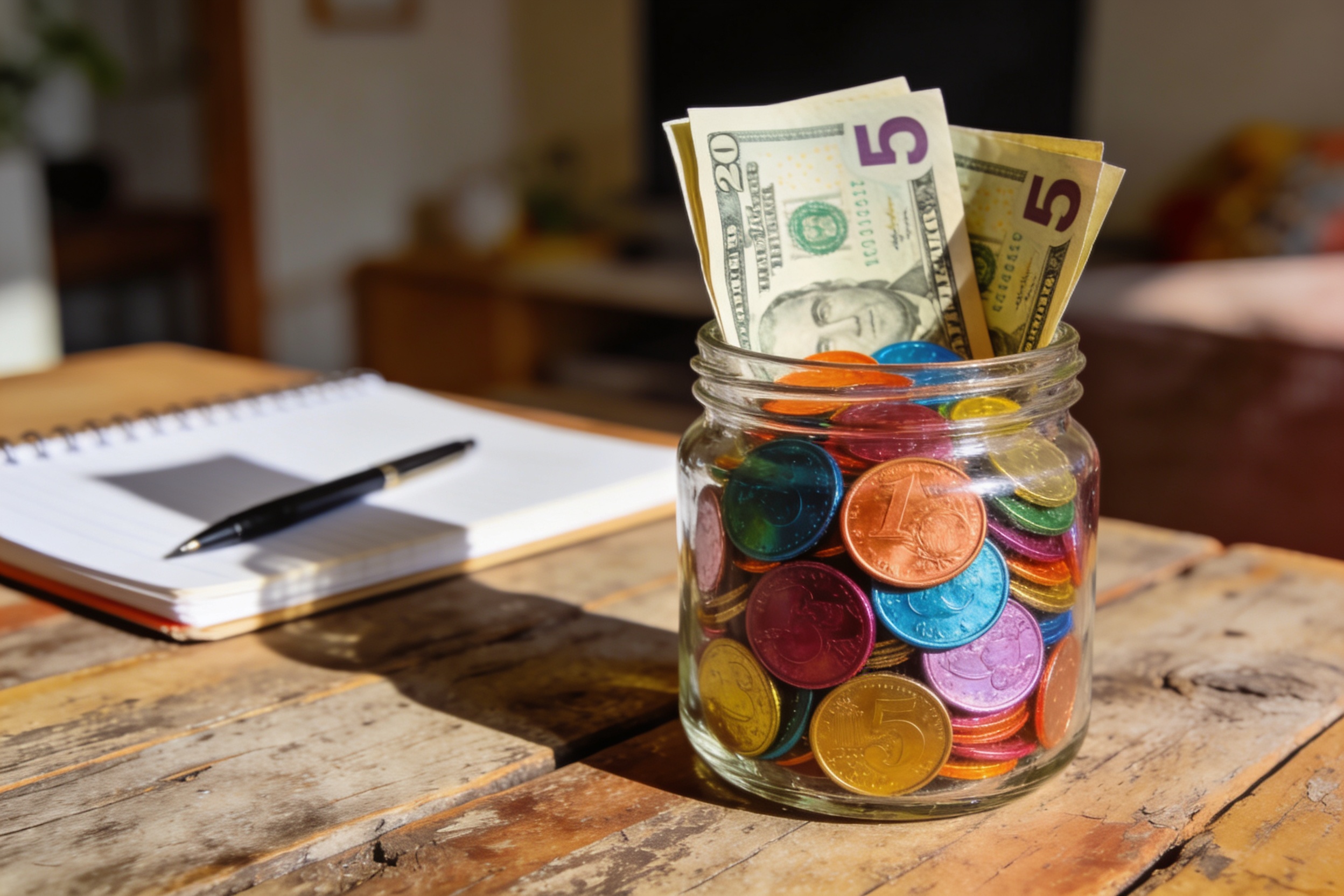
– Putting any $5 bills you get into a jar (yes, like your grandma did)
It’s not glamorous, but it works because it’s painless. And painless = sustainable.
The “No-Spend” Challenge: A Crash Course in Self-Control

If micro-saving sounds too slow for your impatient soul, try a no-spend challenge. Pick a category (or go full monk mode) and cut spending cold turkey for a set time.
Popular versions:
– No eating out for a week (RIP, Uber Eats addiction)
– No online shopping for a month (unsubscribe from those “50% off!!” emails—they’re lying to you)
– No frivolous spending on weekends (because “I had a hard week” is not a valid reason to buy a $40 candle)
The first few days suck. Then you realize how much money you were bleeding on autopilot. FYI, that’s the sound of your future self high-fiving you.
The 52-Week Money Challenge: Gamify Your Savings

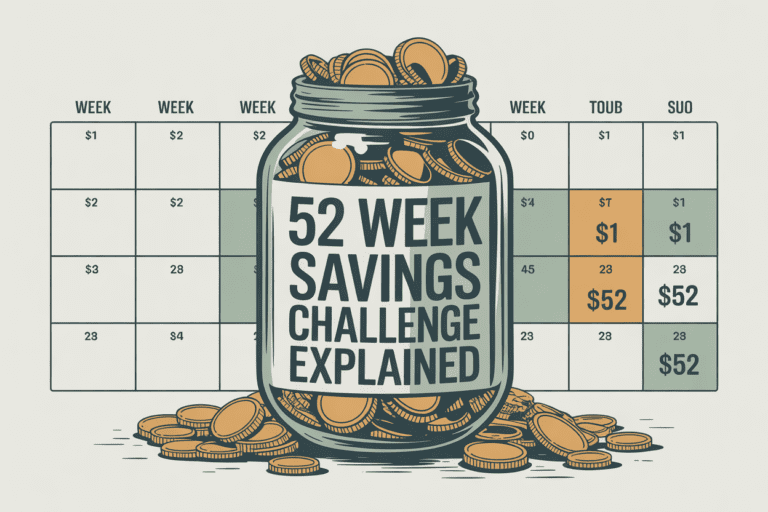
This one’s a classic for a reason. Each week, you save an increasing amount:
– Week 1: $1
– Week 2: $2
– …
– Week 52: $52
By year’s end, you’ve saved $1,378 without ever feeling the pinch. The trick? Start in reverse if you’re broke. Big expenses hit hardest at year-end (holidays, anyone?), so save more early when you’re motivated and taper off later.
Pro Tip: Adjust for Reality
Struggling with Week 52’s $52? Modify it:
– Save every *other* week
– Cap weekly savings at $20
– Do half amounts ($0.50, $1, etc.)
The rules aren’t sacred—the habit is.
The Spare Change Shakedown
Your couch cushions are hiding a fortune. Probably. Apps like Acorns or your bank’s round-up feature automatically invest or save your loose change. It’s like a savings account that runs on autopilot while you binge Netflix.
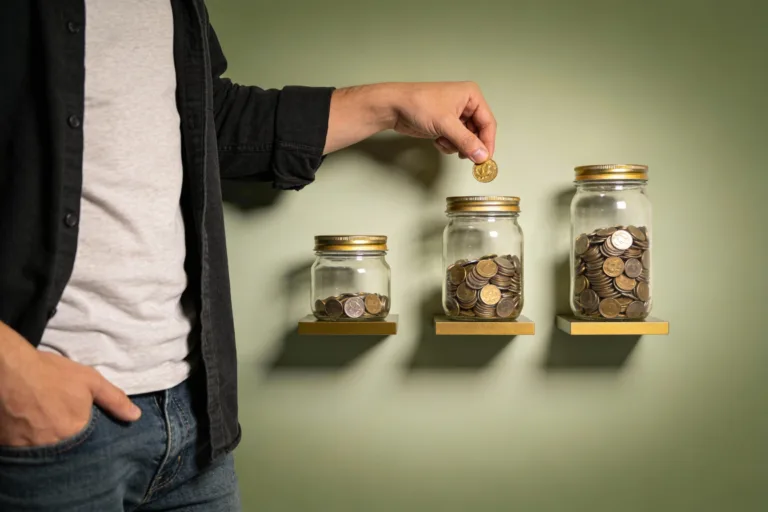
But here’s the kicker: don’t just rely on apps. Physically dumping coins into a jar forces you to confront how much “small” spending adds up. Ever seen $87 in quarters? It’s weirdly motivating.
The “Pay Yourself First” Mindset Hack
Here’s the brutal truth: if you wait to save “what’s left,” you’ll always have nothing left. Flip the script: treat savings like a non-negotiable bill.
How?
– Set up an auto-transfer on payday (even $10 counts)
– Use a separate account labeled “DO NOT TOUCH” (or something more dramatic)
– Pretend that money doesn’t exist (out of sight, out of mind—and out of Amazon’s cart)
FAQ: Your Burning Questions, Answered
What if I literally have $0 to spare?
Start with *avoiding* costs, not saving. Skip a subscription, walk instead of driving, or negotiate a bill. Freeing up $5 is the same as saving $5—just sneakier.
How do I stay motivated?
Visuals help. Tape a photo of your goal (vacation, emergency fund, etc.) to your debit card. Or celebrate tiny wins—$10 saved = one episode of guilty-pleasure TV.
Are cash envelopes outdated?
Nope. For impulse spenders, physical cash hurts more than swiping. Try it for one category (like groceries) and watch your brain panic before overspending.
What’s the easiest challenge for absolute beginners?
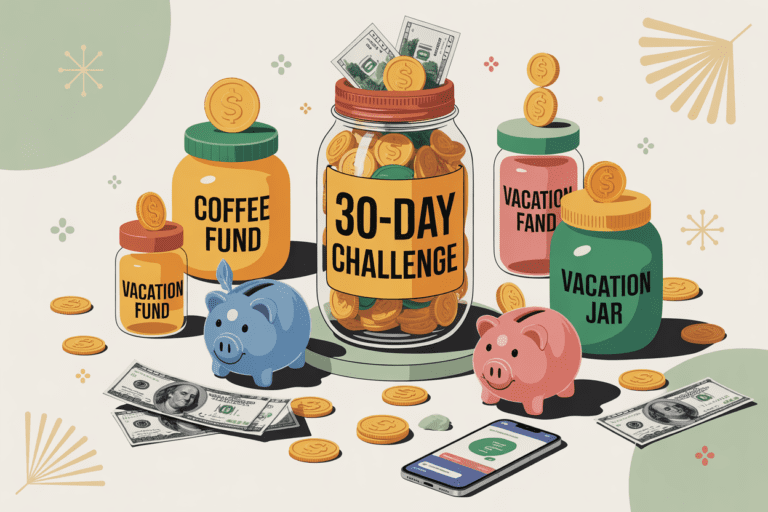
The “$1-a-Day” challenge. Save $1 daily for a month—$30 saved, and you barely felt it. Ramp up to $2 next month. Baby steps win races.
Should I save or pay off debt first?
Do both, but start with a tiny emergency fund ($500). Otherwise, life’s next “surprise” will just send you back into debt.
What if I fail a challenge?
Who cares? Restart, adjust, or try a new one. The only failure is not trying at all.
Final Thought: Start Before You’re “Ready”
There’s never a perfect time to save. There will always be bills, surprises, and that *one* friend who insists on expensive brunches. But the sooner you start—even with loose change—the sooner you’ll realize being “bad at saving” is just a myth.
Now go hide $5 from yourself. Future you will be smugly grateful.