How to Save Money When You Live Paycheck to Paycheck
Living paycheck to paycheck sucks. There, I said it. You’re not alone—millions of people are stuck in the same cycle, watching their bank accounts hit zero days before payday. But here’s the good news: you can break free. It won’t happen overnight, but with some smart tweaks (and maybe a little tough love), you can start saving money even when it feels impossible.
1. Track Every Penny (Yes, Even That Coffee)

You can’t fix what you don’t measure. If your money vanishes like your motivation on a Monday morning, it’s time to track it.
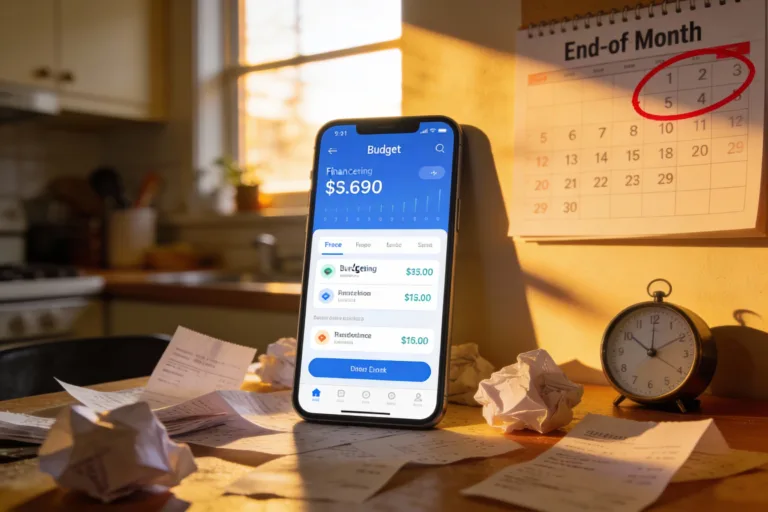
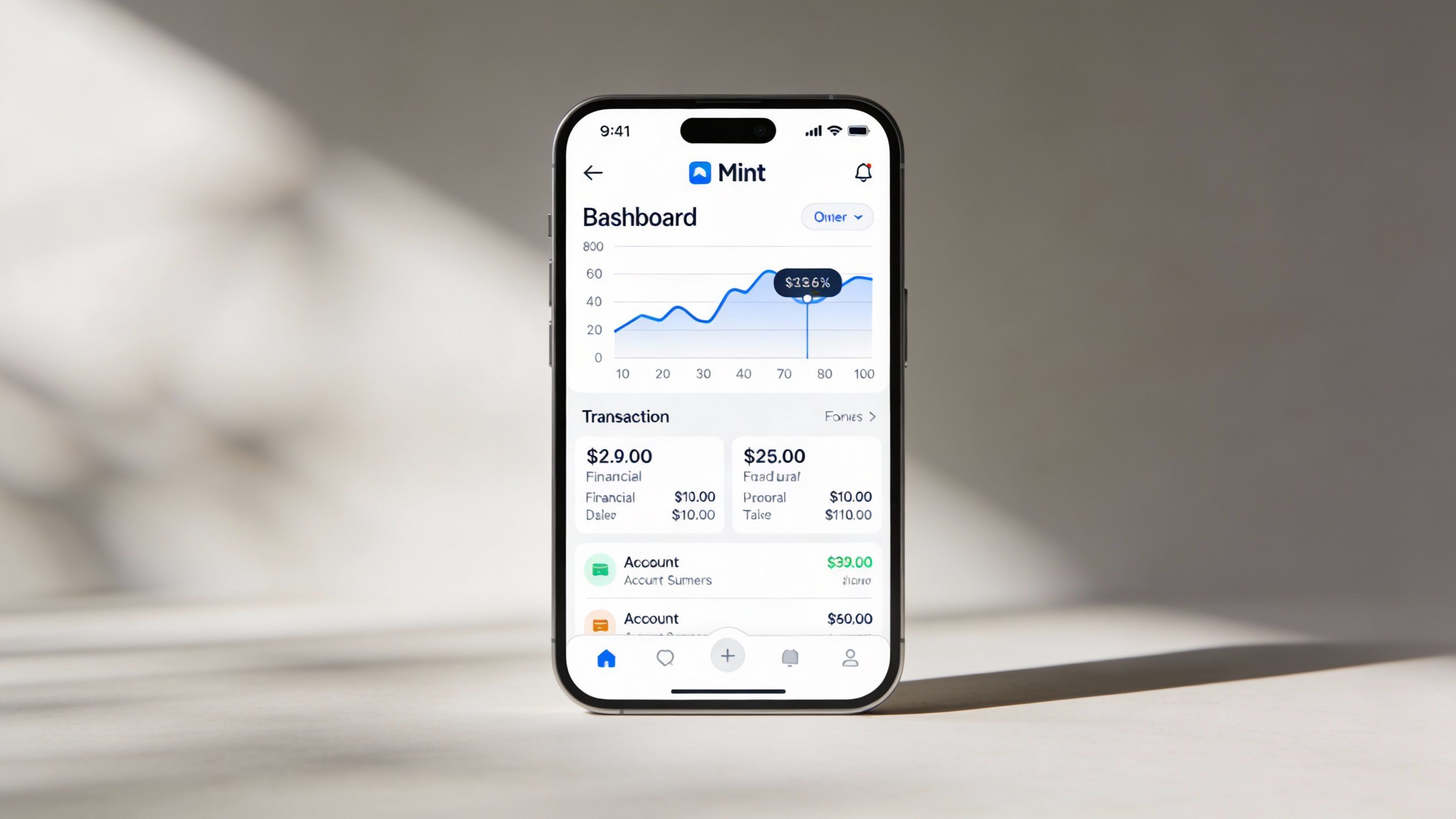
Use a free app like Mint or YNAB (You Need A Budget), or go old-school with a spreadsheet. Write down every expense—yes, even the $3 snack you grabbed on impulse. After a month, you’ll spot patterns (and probably wince at how much takeout costs).
Where Does Your Money Actually Go?
Most people underestimate their spending in three areas:
– Food (groceries + eating out)
– Subscriptions (that gym membership you haven’t used since January)
– Small purchases (Amazon impulse buys, anyone?)
Once you know where your cash is leaking, you can plug the holes.
2. Slash Fixed Costs Like a Ninja
Some expenses feel untouchable—but they’re not. Here’s how to cut them without living like a hermit:
– Negotiate bills: Call your internet, phone, or insurance provider and ask for a better rate. Pro tip: Mention a competitor’s cheaper offer.
– Downgrade services: Do you *really* need the $120 cable package when you only watch Netflix?
– Car insurance hack: Raise your deductible or shop around—loyalty rarely pays.
FYI, saving $50/month adds up to $600 a year. That’s a nice emergency fund right there.
3. Hack Your Grocery Spending (Without Eating Ramen)

Food is a budget killer, but you don’t have to survive on instant noodles. Try these tricks:
– Meal plan like a boss: Pick recipes that use overlapping ingredients to avoid waste.
– Shop sales + coupons: Apps like Rakuten or Honey can help.
– Buy store brands: IMO, generic cereal tastes the same as the fancy stuff.
– Avoid shopping hungry: You’ll buy *all* the snacks.
Bonus: Cook in bulk and freeze leftovers. Future-you will thank past-you.
4. Build a Tiny Emergency Fund—Fast

You *need* a buffer, even if it’s small. Aim for $500-$1,000 first. How?
– Sell stuff: Old clothes, electronics, that juicer you never used.
– Side hustle: Deliver food, freelance, or do odd jobs for cash.
– Save windfalls: Tax refunds, bonuses, or birthday money go straight to savings.
This fund stops you from swiping a credit card when life throws a curveball (because it *always* does).
5. Automate Savings So You Can’t Screw It Up
If you wait to save “what’s left,” you’ll never save. Instead:
– Pay yourself first: Set up an auto-transfer on payday—even $20 adds up.
– Use micro-saving apps: Acorns or Digit stash spare change without you noticing.
– Hide money from yourself: Open a separate savings account at a different bank. Out of sight, out of mind.
6. Kill Debt Before It Kills Your Budget
High-interest debt (looking at you, credit cards) eats your paycheck alive. Attack it with:
– The avalanche method: Pay off highest-interest debt first. Math wins.
– Balance transfers: Move debt to a 0% APR card if you qualify.
– Extra payments: Even $10 more per month cuts interest.
7. Get Creative with Free (or Cheap) Fun
Budgeting doesn’t mean no fun. Swap pricey habits for:
– Library perks: Free books, movies, and even museum passes.
– Community events: Free concerts, festivals, or outdoor movies.
– At-home date nights: Cooking together > $100 dinners.
FAQs
How can I save when I barely make enough to cover bills?
Start small. Cut one unnecessary expense (like a subscription) and save that amount. Even $5/week is progress.
Should I save or pay off debt first?
Do both if possible. Save a tiny emergency fund first, *then* focus on debt. Otherwise, one flat tire will send you deeper into debt.
What’s the easiest way to reduce spending?
Track it for a month. You’ll find obvious cuts (like eating out) staring you in the face.
How do I stay motivated?
Celebrate small wins. Saved $100? Treat yourself to a *small* reward (that doesn’t cost $100).
Are cash envelopes really helpful?
If you’re a visual person, yes. Allocating cash for categories like groceries forces discipline.
Bottom Line: You *Can* Do This
Saving money on a tight budget isn’t about deprivation—it’s about smart choices. Start small, stay consistent, and remember: every dollar you save is a step toward breathing easier. You’ve got this.