
How to Save Money on Groceries Every Week You’Ll Love
The grocery bill doesn’t have to be a monthly catastrophe. With a few smart moves, you can feast well without starving your wallet. Let’s skip the doom-scroll at the supermarket and get you saving on groceries every week.
Start with a game plan, not a guess
Walking into a store without a plan is basically tossing money into a black hole labeled “Maybe I’ll regret this later.” Do this instead:
- Set a weekly budget you’re comfortable with and stick to it. No sneaky “just this once” excuses.
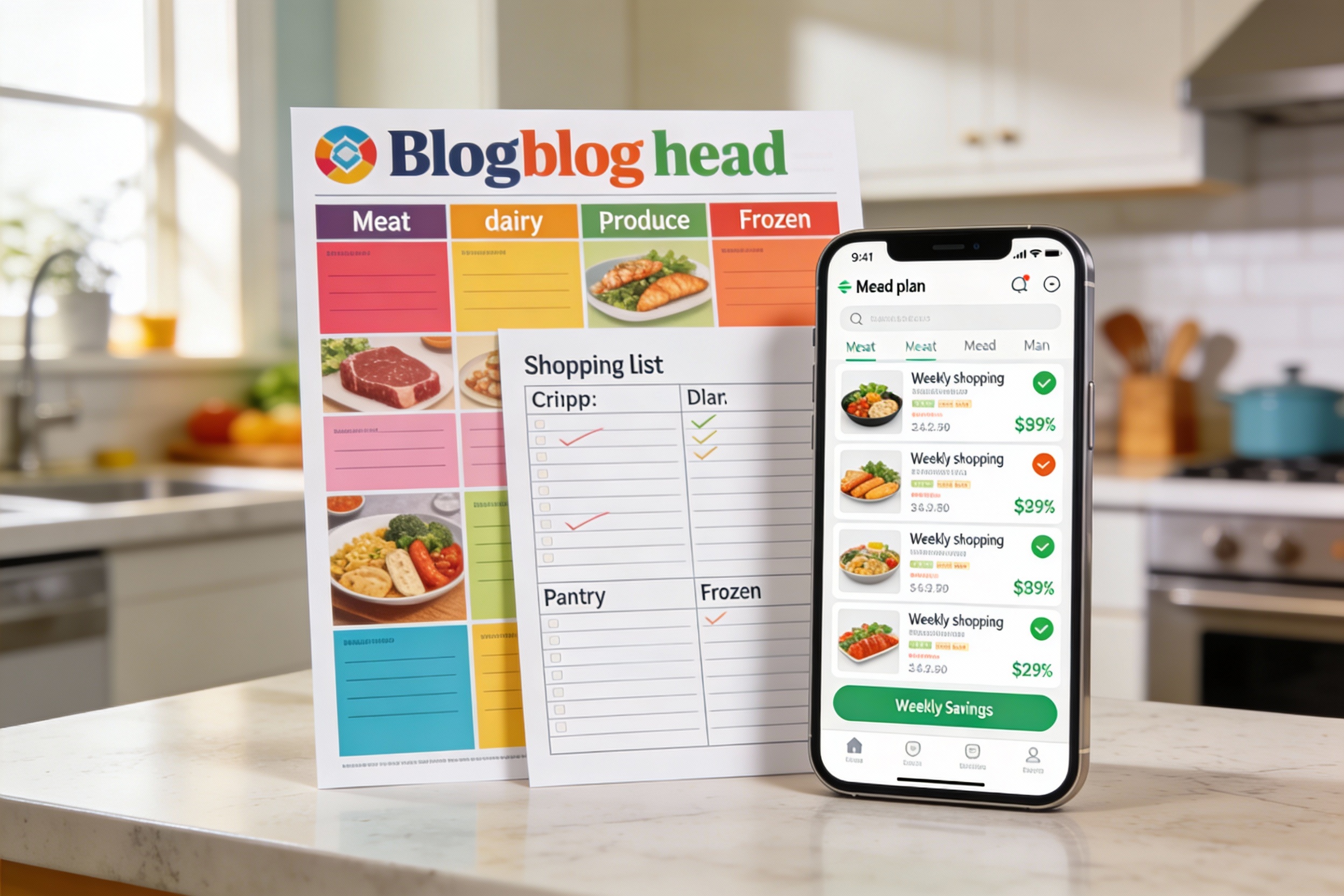
- Grab a real shopping list before you step foot in the store. If it’s not on the list, it’s not getting bought.
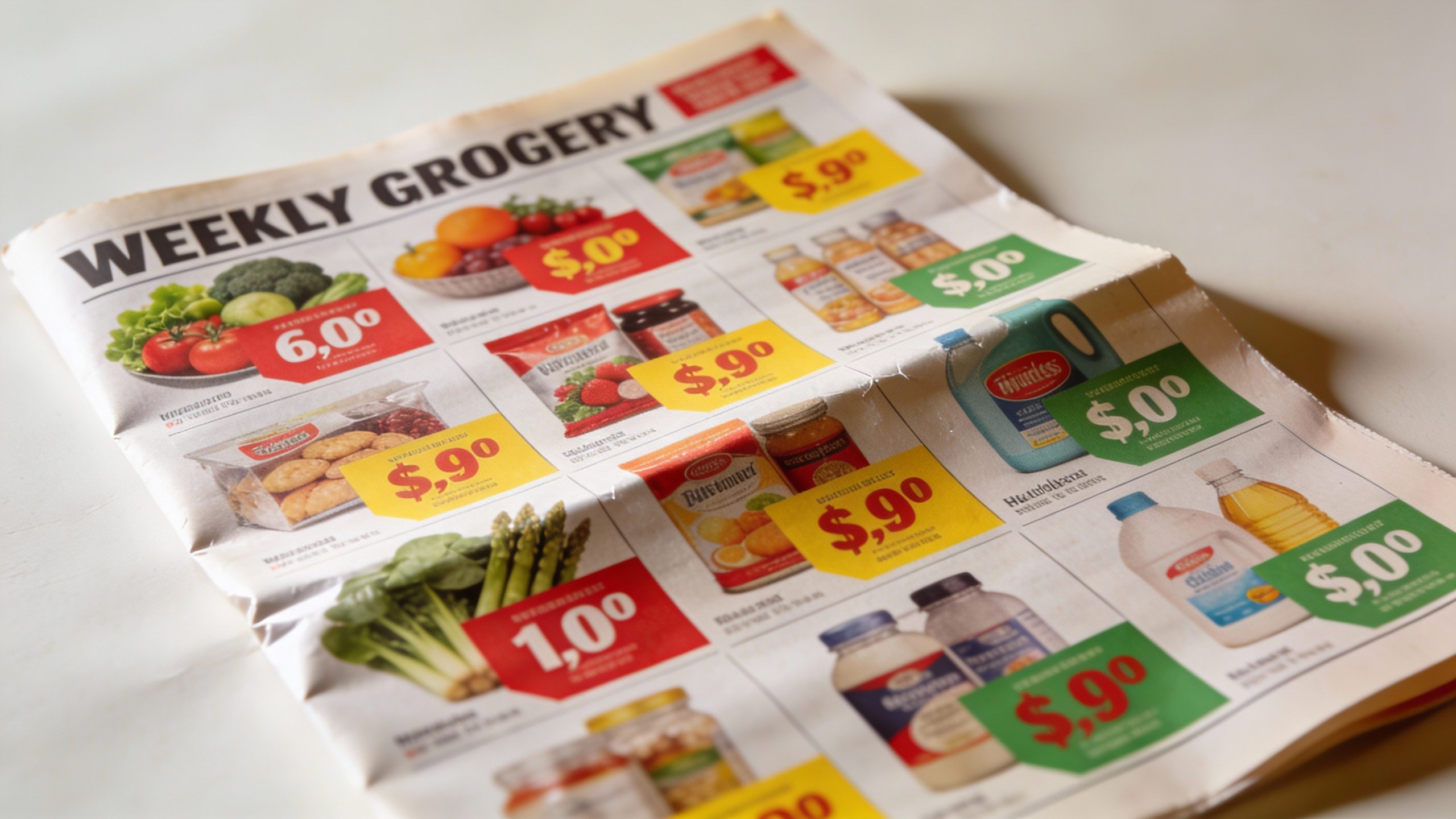
- Check befo’ you buy. Browse the weekly ads, app coupons, and loyalty deals. FYI, savings stack when you’re smart about it.
Having a plan feels liberating. It means you spend less on impulse items and more on what actually fills the fridge with real meals.
Master the art of smart planning: menu + list, not guesswork

A tight plan turns shopping into a breeze. Here’s how to set it up and keep it fresh week to week:
- Plan meals around what you already have. Build a rough dinner plan and fill in with staples.
- Hit the store with a categorized list. Meat, dairy, produce, pantry, frozen, extras. Less back-and-forth means less waste.
- Keep a “backup” shelf list. If you notice you’re almost out of something essential, add it to the list before you forget.
Bonus: a plan minimizes waste. Less waste = more savings. It’s basically math dressed up as dinner.
Shop smarter, not harder: smarter store tactics
The store is a battlefield, but you don’t need a victory speech to win. Try these tactics:
- Shop the perimeter for fresh produce, dairy, and meat. The inner aisles tend to hold more processed, pricier options.
- Compare unit prices, not just the sticker price. Sometimes the bigger bag is cheaper per ounce; sometimes it’s the opposite.
- Go generic where it matters. Generic staples often taste the same and save a bundle over name brands.
- Watch out for sale traps. Buy only what you’ll actually use before it spoils, or it’s just a money sprint to the trash can.
Doorbuster dilemmas
Super-cheap deal? Cool. But can you actually use it? If you’re staring down a sale item you’ll never touch, skip it. Your wallet will thank you later.
Strategy for produce love without the waste
Produce is where your savings can sing—or scream, depending on your kitchen skills. Do this to keep costs down and colors up:
- Buy what travels well and stays fresh longer. Apples, carrots, cabbage, and citrus can stretch the week nicely.
- Prep once, eat twice. Roast a big tray of vegetables and use them across bowls, wraps, and sides.
- Freeze what you won’t use in time. Fruit ice cubes, leftover sauces, or bulk-bought greens all freeze well and save you from waste.
Fresh doesn’t have to mean fragile. You can still enjoy vibrant meals without tossing produce midweek.
Protein on a budget without turning cooking into a chore
Protein doesn’t have to come with a price tag that requires a loan. Try these moves:
- Plan affordable protein options. Beans, lentils, eggs, canned fish, and occasionally chicken thighs can be cheaper and just as satisfying.
- Rotate proteins weekly. A mix-and-match approach keeps meals interesting and wallets happy.
- Shop smart for meat. Look for sales, buy in bulk when you’ll actually use it, and freeze portions in meal-sized bags.
Eggs, lentils, and a world of flavor
Eggs and lentils are the unsung heroes of budget-friendly cooking. They’re versatile, filling, and cheap. Scramble, simmer, or blend into curries—IMO they’re magic in a pan.
Stock up strategically: pantry power that actually saves you money
A well-stocked pantry means fewer last-minute takeouts and panic runs to the store. Build yours with intention:
- Core staples that last. Rice, pasta, canned tomatoes, beans, and spices form the backbone of countless meals.
- Seasonal flexibility. Keep a few seasonings that rotate with what’s on sale to keep things interesting.
- Organize wisely. Label jars, keep a running inventory, and rotate older items to the front so nothing goes stale.
Shelf-life superpowers
Know your items’ timelines. Dried goods last forever in theory, but fats and oils go rancid faster than you’d think. Packaged cookies crumble when ignored too long. FYI, a quick audit every week saves you from boring heartbreak and wasted money.
Make a savings plan that doesn’t suck: coupons, apps, and receipts
Savings are easier when you use the tools designed for it:
- Coupons with purpose. Don’t feel obligated to use every coupon—only if it aligns with your actual shopping list.
- Loyalty programs that actually matter. Sign up, but don’t chase every tiny discount if it pushes you to buy more than you need.
- Cash-back and rebate apps. A few percent back here and there adds up, especially on staples you’ll buy anyway.
Remember, savings are tiny steps over time, not a magic trick. IMO consistency beats occasional windfalls every time.
Batch cooking and meal planning for max savings
Cooking once, eating all week is the ultimate budget hack:
- Double your recipes. Make a big batch and portion it out for lunches or dinners across several days.
- Freeze portions strategically. Stews, casseroles, and curries freeze well and reheat without drama.
- Use leftovers creatively. Turn yesterday’s roast into today’s soup or wrap for lunch. No waste, no guilt.
Weeknight efficiency
Do a 30-minute mega-cook once a week. It sounds ambitious, but it saves you from picking up expensive takeout during the chaos of a busy evening. Your future self will thank you with a fully stocked fridge and a happier wallet.
FAQ
Can I save money without sacrificing taste?
Definitely. Save by smart substitutions, bulk buying for pantry staples, and batch cooking. You’ll discover that many budget-friendly ingredients can shine in flavor with the right seasoning and cooking method. IMO, flavor is not a luxury; it’s a planning outcome.
How much should I budget for groceries each week?
The number varies by family size, location, and dietary needs. Start with a realistic baseline based on past spending, then trim by 10-20% with the tactics in this article. Reassess weekly and adjust as needed.
Are generic brands really worth it?
Usually yes. Store brands often taste the same or nearly the same as name brands for a fraction of the price. If you’re unsure, do a quick taste test with small, controlled purchases to avoid waste.
What’s the best way to avoid impulse buys?
Stick to your list, shop with a full stomach, and avoid aisle wanderlust by shopping with a timer or in-store pickup only. FYI, a little pre-planning goes a long way toward keeping impulse cravings in check.
How can I reduce waste and still eat well?
Plan meals that reuse ingredients across several dishes, store produce correctly, and freeze leftovers. Simple steps like labeling and dating frozen items prevent mystery leftovers and help you keep the fridge tidy and efficient.
Conclusion
Saving money on groceries isn’t about luck or scouring every sale. It’s about consistent planning, smart shopping, and a dash of creative cooking. When you treat your weekly shop like a small, repeatable system, you win every time. You’ll eat well, waste less, and watch the savings stack up—FYI, slowly but surely adds up to real dollars. Ready to give it a try this week? Your wallet and your future self will thank you.