Save Money Fast Before the End of the Month: Turbo Tips Now
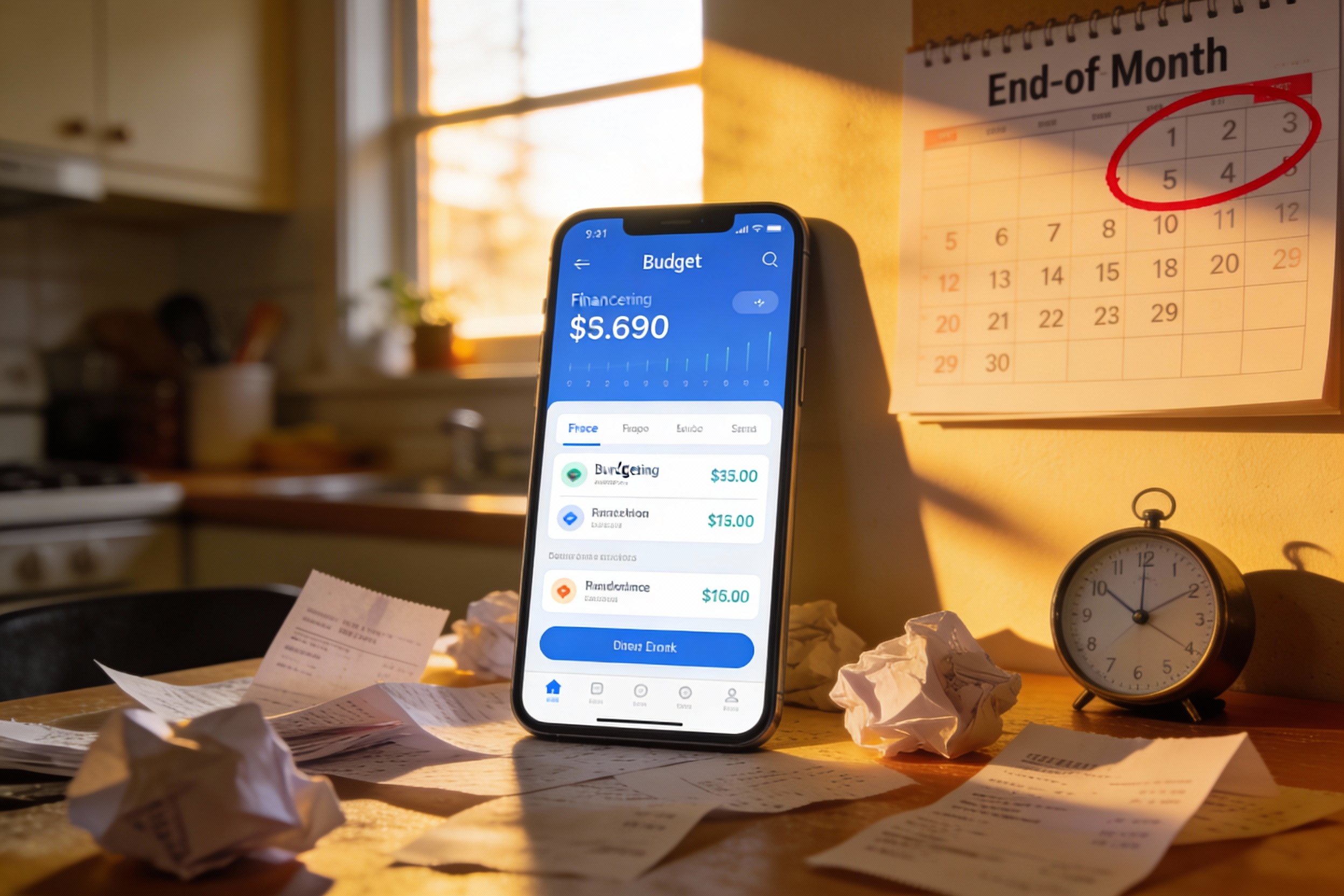
You’ve got bills staring you down like a gnarly boss who won’t quit. End-of-month chaos is real, but so is your ability to cut costs fast. Let’s skip the doom-scrolling and get you into action—no fluff, just practical wins.
Kickoff: the end-of-month sprint begins now
Ever looked at your bank app and felt that familiar rush of “where did all my money go?” You’re not alone. The good news: you can save money fast without turning your life into a monk’s retreat. You just need a few smart moves that stack up before midnight on the last day of the month. Ready to feel lighter in your wallet and your schedule? Let’s do this.
1. Quick-win budgeting that actually sticks
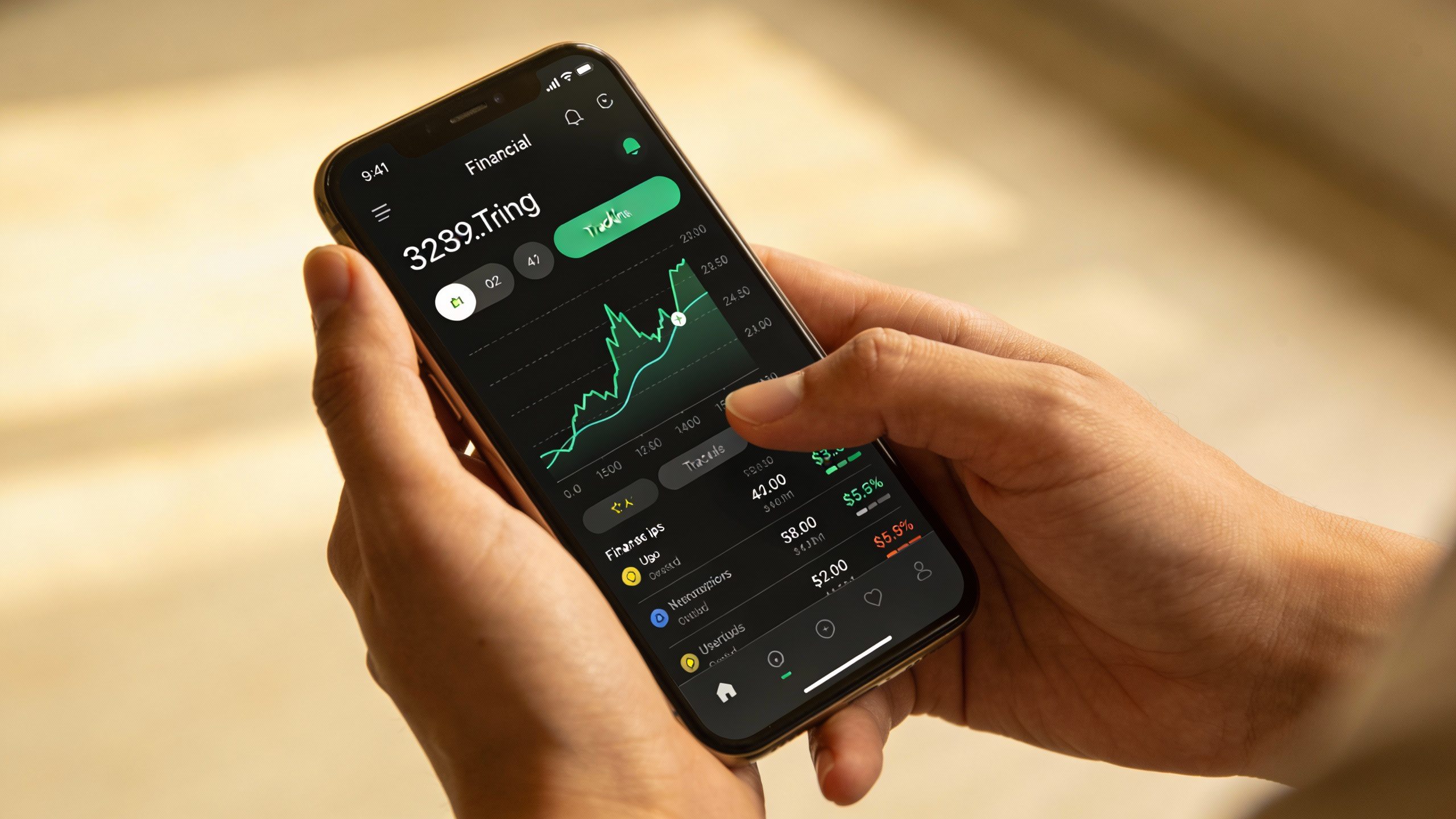
If the word “budget” makes you roll your eyes, you’re not alone. Budgets that feel like chores don’t last. Here’s a human-friendly approach that works.
- Track in real time: If you’re not seeing where every dollar goes, you’ll drift. Use a quick app or a simple note that updates daily. FYI, the goal is transparency, not perfection.
- Categorize to conquer: Separate essentials (rent, bills, groceries) from wants (takeout, streaming, impulse buys). Then cap the wants with a hard weekly limit.
- Give every dollar a job: If a dollar isn’t doing something essential or saving, it’s probably wasted. Redirect it to savings or debt payoff.
Subsection: the 24-hour zero-spend challenge
If you’re feeling brave, try a 24-hour zero-spend challenge. No snacks from the vending machine, no coffee runs, no online shopping. If you’re thinking, “That’s impossible,” think again. Prepare a quick hack list: make coffee at home, drink water, use leftovers, and tackle a mini project at home. You’ll be surprised how much you save—and how capable you are without spontaneous buys.
2. Slashing the biggest monthly sinks
The end of the month is all about trimming the big, boring drains. Let’s hit the usual suspects with blunt honesty.
- Housing costs — renegotiate utilities, switch to energy-saving modes, or consider simple habits that cut bills without changing your life dramatically.
- Groceries — plan meals, use a shopping list, and lean into bulk where it makes sense. FYI, leftovers aren’t the enemy; they’re fuel for tomorrow.
- Subscriptions — pause, cancel, or downgrade services you don’t use. If you haven’t logged in during the last 30 days, you probably don’t miss it.
Subsection: energy-saving quick wins
– Turn off lights when you’re out of a room. Simple, yet powerful.
– Use smart plugs or timers to avoid vampire energy from idle devices.
– Lower the thermostat a notch and add a cozy layer. Small changes compound fast.
3. Eating well on a tighter budget

Food can wreck finances faster than you can say “delivery.” Let’s make meals tasty, flexible, and affordable.
- Plan a three-meal week instead of grabbing random dinners. It reduces waste and saves cash.
- Shop smarter: prioritize sale items, swap proteins for affordable staples, and cook in batches.
- Cook once, eat twice or thrice: repurpose leftovers into new meals. Your future self will thank you.
Subsection: pantry heroes
Stock a small set of versatile staples: rice or quinoa, beans, oats, canned tomatoes, frozen veggies, eggs. These are your flavor-safe superheroes. They save you from last-minute, pricey takeout when you’re tired and hungry.
4. Smart spending when you must buy
There will be moments when you need to spend—like replacing something essential or handling a last-minute need. Do it without the buyer’s remorse.
- Buy only what you will use and avoid trendy impulse buys. Ask: “Do I genuinely need this now?”
- Compare and capture deals: use price trackers, coupons, and cash-back apps. Don’t buy the first thing you see.
- Think long-term value: cheaper now might cost more later if it breaks or underperforms.
Subsection: the 30-day return window trick
When possible, buy items with a liberal return window. If a product starts underperforming or not fitting your needs, you can return or exchange it. It’s not cheating the system; it’s protecting your money.
5. Income on autopilot: fast boosts

Saving only goes so far if income stays flat. Let’s add a few quick earners that don’t require a full-time hustle.
- Sell unused stuff: clothes, gadgets, decor—your closet full of stuff is someone else’s treasure, and it funds your savings.
- Freelance micro-jobs: quick gigs like editing, data entry, or design tasks can be picked up in evenings or weekends.
- Passive-ish options: monetize skills you already have with a simple service, like tutoring, consulting, or digital products.
Subsection: a 15-minute side hustle sprint
Set a timer for 15 minutes and draft three ideas you could start this week. Pick the simplest one, outline a tiny offer, and market it to your circle. You’d be surprised how quickly momentum builds.
6. The mindset shift you actually need
Saving money fast isn’t just about tactics; it’s about how you think about money in the moment.
- Celebrate tiny wins—they compound into a big victory.
- Question the impulse: if it’s not a NEED-to-have, it’s a WANT-to-have, and it can wait.
- IMF factor: In My Feelings? Not here. This is business—your budget is a client you need to keep happy.
Subsection: turning impulses into opportunities
When you feel an impulse to shop, channel that energy into planning a future treat—like a small, planned purchase next month after you hit a savings milestone. It makes restraint feel purposeful.
7. The end-of-month crush: how to push through the final days
The last stretch can feel like a sprint with a heavy backpack. Here are practical, fast-acting moves.
- Do a 48-hour max spend window: only essentials, no exceptions.
- Set a hard savings target for the last two days and gamify it with a mini prize for yourself.
- Automate the leftovers: move any extra funds automatically into savings or debt payoff today.
FAQ
Can I actually save a lot in a week?
Yes, you can, if you focus on the big levers first—housing, utilities, groceries, and subscriptions. Add in a side hustle and a strict mindset, and you’ll surprise yourself. It’s not about misery; it’s about smart choices with immediate payoff.
What if I have debt as well as near-term bills?
Prioritize minimums to avoid penalties, then target high-interest debt with a small, aggressive payoff plan. The trick is to blend debt payoff with living costs so you don’t get overwhelmed. Small victories matter.
How do I avoid burnout while saving fast?
Set realistic daily targets, automate where possible, and build quick wins into your day. Celebrate small milestones and forgive the occasional slip-up. FYI, long-term consistency beats short bursts of frenzy.
Is it okay to treat myself after hitting a milestone?
Absolutely. The key is to plan those rewards, not let them derail you. Treats can motivate and reset momentum—just keep them small and budgeted.
What tools can help me stay on track?
– Simple budgeting apps or spreadsheets that sync with your bank accounts
– Price-tracking apps and browser extensions for online shopping
– reminder and habit-tracking tools to keep you accountable
Conclusion
Saving money fast before the end of the month isn’t a myth, it’s a skill—one you can sharpen in a few days with the right moves. Start with a smart, real-time view of your money, trim the big drains, and replace impulse buys with deliberate, planned steps. You’ll feel lighter, more in control, and ready to roll into the new month with confidence. Remember: small, consistent wins compound into real freedom. FYI, you’ve got this.