How to Save $1,000 in One Month (Even If Money Is Tight)
Let me guess—you want $1,000 in your savings account, and you want it fast. Not “someday,” not “after I feel motivated,” but 30 days from now. I’ve been there, staring at my bank app like it personally betrayed me. The good news? Saving $1,000 in a month is totally doable if you play this smart and ditch perfection.
I’ve done this challenge myself, and no, I didn’t eat plain rice for 30 days or cancel my entire personality. Let’s talk real-life, practical ways to save 1000 in 30 days without losing your sanity. Ready? Let’s get into it.
Why Saving $1,000 in 30 Days Actually Works

Here’s the thing most people miss: short-term goals feel urgent, and urgency changes behavior fast. When I gave myself 30 days instead of “this year,” I suddenly questioned every swipe of my card. Funny how that works, right?
You don’t need a massive income to pull this off. You need:
- Clear rules
- Aggressive focus
- A little temporary discomfort
Thirty days pass anyway. You might as well end them with an extra grand.
Step 1: Break the $1,000 Goal Into Bite-Sized Wins
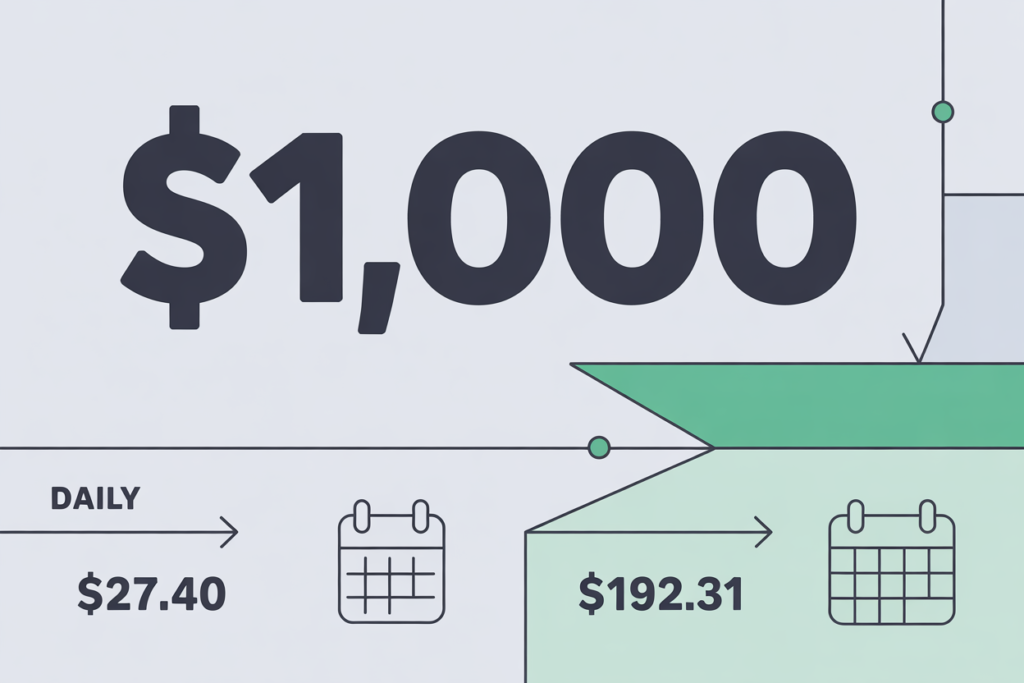
Saving $1,000 sounds intimidating until you break it down. Math helps calm the panic.
The Simple Breakdown
- $34 per day
- $250 per week
- $500 every two weeks
Suddenly, this feels less scary. I like tracking daily because it keeps me honest. Miss one day? No drama—make it up tomorrow.
Pro tip: Open a separate savings account just for this challenge. Out of sight equals out of spend, IMO.
Step 2: Slash Expenses Like It’s a 30-Day Survival Game
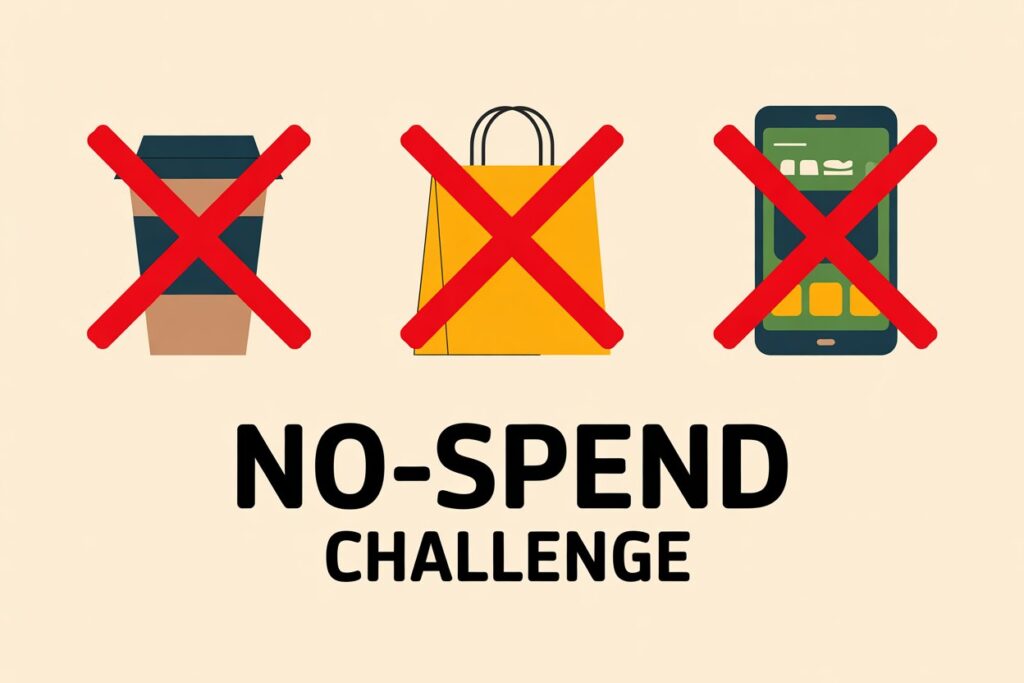
This isn’t forever. Repeat that again. This isn’t forever. You only need to go into “money-saving beast mode” for one month.
Expenses I Cut Immediately
I didn’t negotiate with myself here. I just cut.
- Eating out (Yes, even coffee. Yes, it hurt.)
- Food delivery apps (These drain money quietly.)
- Impulse Amazon buys
- Streaming services I barely watched
Ask yourself: Will I remember this purchase in 30 days? If not, skip it.
Quick Wins That Add Up Fast
- Bring lunch to work → $10–$15 saved per day
- Skip coffee shops → $120–$150 saved
- Pause subscriptions → $50–$100 saved
That’s hundreds saved without touching your income.
Step 3: Use the “Cash-Only” Trick (Annoying but Powerful)
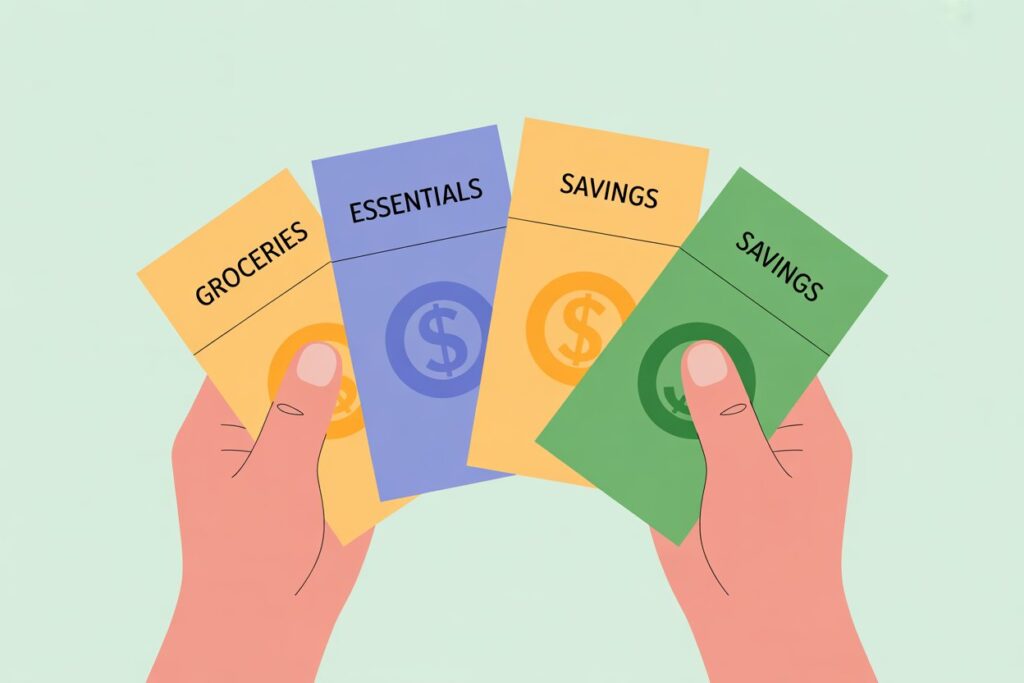
I hate this trick—and that’s why it works. I switched to cash-only spending for groceries and essentials.
When you physically hand over cash, spending suddenly feels personal. Ever noticed how easy card swipes feel? Yeah… cash doesn’t play that game.
How I Did It
- I withdrew my weekly spending money.
- I left my cards at home for non-essential trips.
- When the cash ran out, spending stopped.
This single move saved me over $300 in one month. No exaggeration.
Step 4: Boost Your Income (Just a Little Goes a Long Way)

Cutting expenses helps, but earning extra cash speeds this up fast. You don’t need a new career—just a short-term hustle.
Easy Ways to Make Extra Money in 30 Days
- Sell unused stuff on Facebook Marketplace or eBay
- Offer freelancing or consulting if you have a skill
- Pick up gig work like delivery or pet sitting
- Do weekend overtime if your job allows it
I sold old gadgets and furniture I didn’t even like anymore. The clutter left, and the cash showed up. Win-win.
Even $300–$400 in extra income makes saving 1000 in 30 days way easier.
Step 5: Try the 30-Day “No-Spend” Rules (Modified, Not Extreme)
I don’t believe in extreme no-spend challenges. They usually backfire. Instead, I use no-spend rules.
My Personal Rules
- No buying things “just because”
- No online shopping for fun
- No upgrades unless something breaks
You still buy groceries. You still pay bills. You just stop leaking money everywhere else.
Ask yourself: Does this help Future Me or just entertain Present Me? That question saved me so much cash it’s not even funny.
Step 6: Automate Daily Transfers So You Don’t Forget
Motivation fades. Automation doesn’t.
I set up daily automatic transfers into my savings account. Even small amounts add up fast.
Example Automation Plan
- $20 every weekday
- $30 on weekends
- Bonus deposits on payday
Seeing the balance climb daily keeps you motivated. It feels like leveling up in a game, and yes, I checked it way too often 🙂
Step 7: Track Progress Like a Slightly Obsessed Person
Tracking makes this challenge real. When I didn’t track, I guessed. When I tracked, I won.
Simple Tracking Ideas
- Printable savings thermometer
- Notes app checklist
- Spreadsheet with daily totals
- Budgeting app with alerts
Every time you update your progress, you reinforce the habit. Momentum matters.
Miss a day? Don’t spiral. Adjust and keep going.
Step 8: Use Psychology to Outsmart Yourself
Saving money isn’t just math. It’s mental.
Tricks That Helped Me
- Rename the account “DO NOT TOUCH”
- Visualize what the $1,000 solves
- Tell one trusted friend about the challenge
Accountability works. Embarrassment works too, FYI.
Common Mistakes That Kill the $1,000 Goal
Let’s avoid the usual traps.
- Trying to be perfect instead of consistent
- Cutting everything and burning out
- Not replacing spending with earning
- Forgetting why you started
You don’t need a flawless plan. You need follow-through.
What Happens After You Save the $1,000?
This part surprised me. After 30 days, saving felt… normal. I didn’t rush to spend the money. I felt calmer. More in control.
You can:
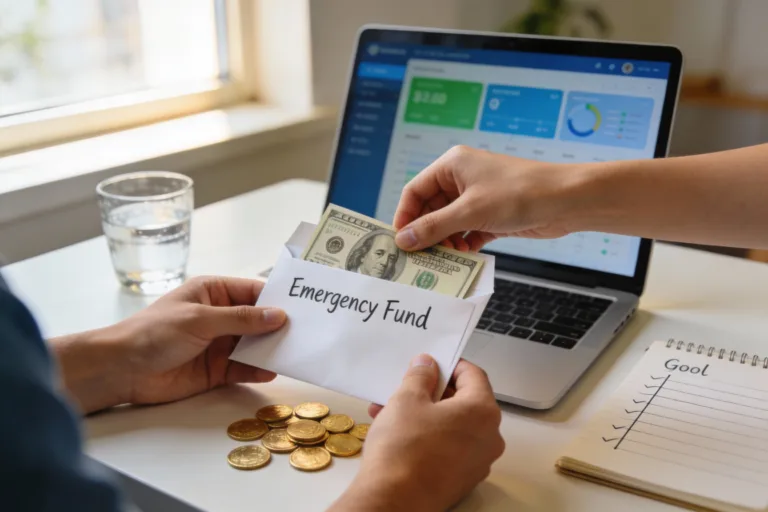
- Keep the money as an emergency fund
- Start another savings goal
- Use the momentum to pay off debt
One month can seriously change your money mindset.
Final Thoughts: You’re Closer Than You Think
Saving $1,000 in 30 days isn’t about luck or income. It’s about temporary focus and smart decisions. You don’t need to overhaul your life. You just need to commit for one month.
So ask yourself—what could $1,000 change for you right now? Less stress? More freedom? Better sleep?
Start today. Even $10 counts. Thirty days from now, you’ll thank yourself—and trust me, Future You has receipts.
You’ve got this 💪