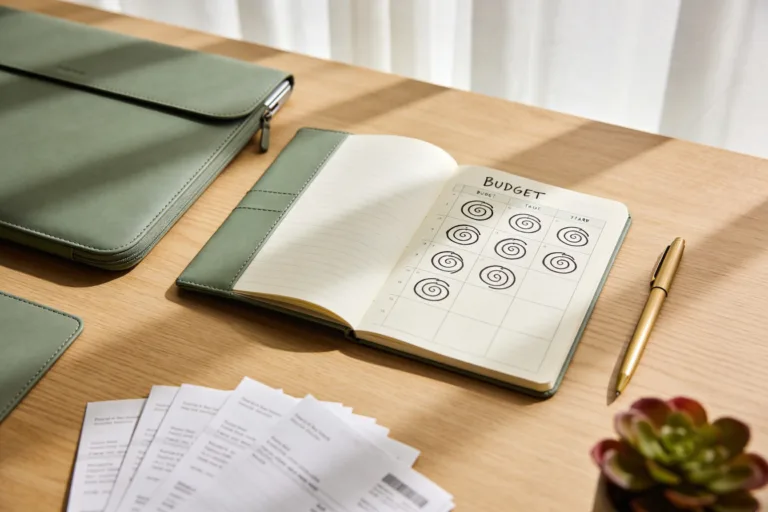

Paycheck to Paycheck Budget Planner That Actually Works
Living paycheck to paycheck sucks. There, I said it. The constant juggle between bills, groceries, and that mysterious $5 that vanished from your wallet (thanks, vending machine) is exhausting. But here’s the good news: a budget planner can turn that financial stress into something manageable—maybe even borderline enjoyable. (Okay, maybe not *enjoyable*, but definitely less panic-inducing.)
Why a Budget Planner is Your New Best Friend

If you’re rolling your eyes at the word “budget,” I get it. It sounds like something your overly responsible cousin preaches while sipping kale smoothies. But a budget planner isn’t about deprivation—it’s about control.
When every dollar counts, knowing exactly where your money goes means fewer surprises (and fewer late-night Google searches like “how to survive on ramen for a week”). A solid plan helps you:
- Avoid overdraft fees (aka the devil’s tax)
- Spot wasteful spending (RIP, unused gym membership)
- Save for emergencies *before* your car decides to impersonate a paperweight
Step 1: Track Every Penny Like a Detective
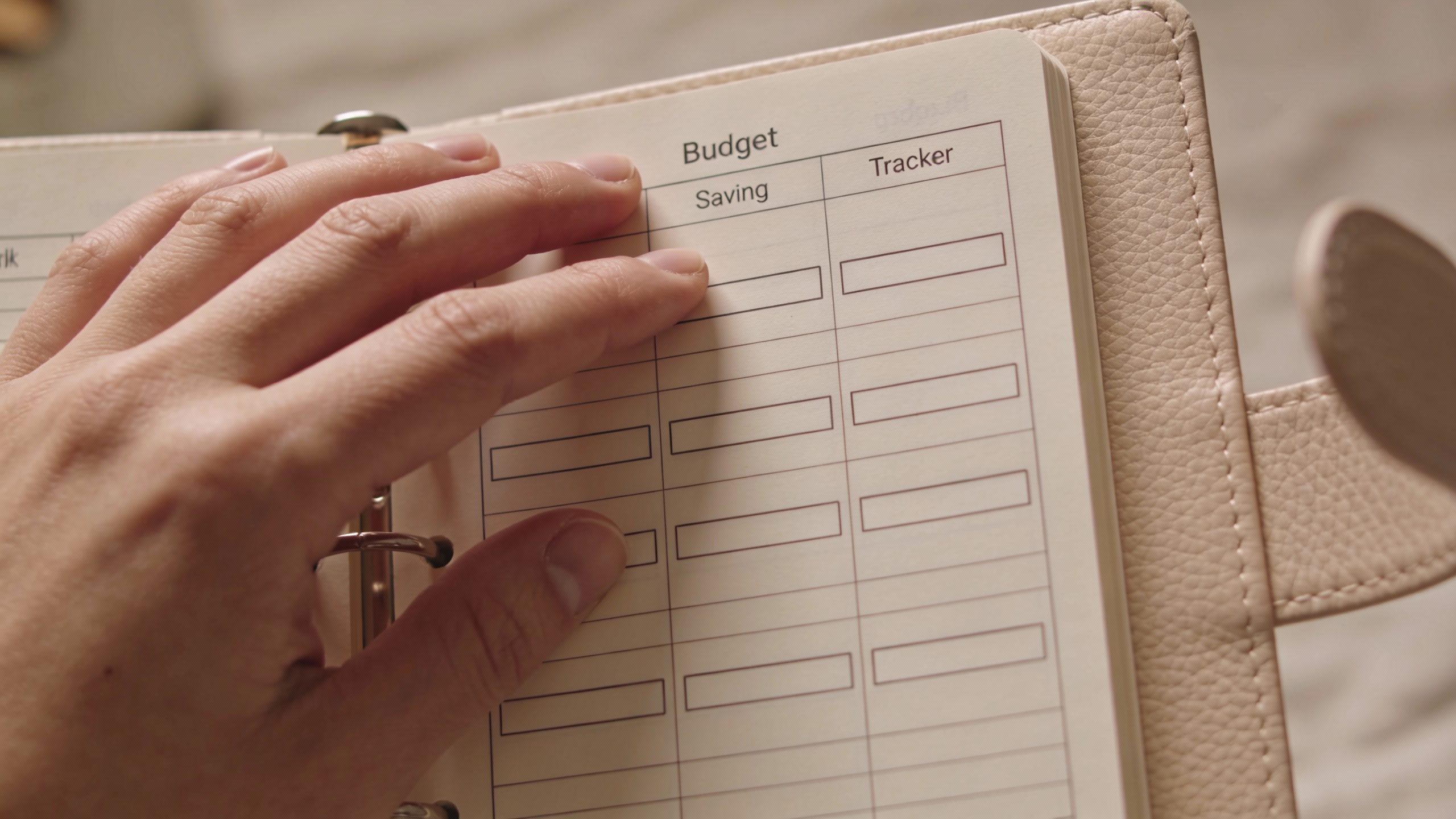
Before you can plan, you need intel. For one month, track every single expense—yes, even that $1.50 for gum. Apps like Mint or Goodbudget make this easy, but a notebook or spreadsheet works too.
The “Wait, I Spent *How Much* on Coffee?” Moment
Most people discover they’re hemorrhaging money on small, thoughtless purchases. $4 lattes add up faster than you think. Once you see the numbers, cutting back feels less like sacrifice and more like self-preservation.
Pro tip: Don’t judge yourself. This is recon, not a guilt trip.
Step 2: The 50/30/20 Rule (But Make It Flexible)

The classic budgeting rule suggests:
- 50% on needs (rent, utilities, groceries)
- 30% on wants (Netflix, takeout, that cute plant you don’t need)
- 20% on savings/debt
But let’s be real—if rent eats 60% of your paycheck, this won’t work. Adjust the percentages to fit your life. Maybe it’s 60/25/15. The goal is balance, not perfection.
Step 3: Pay Yourself First (No, Really)

“Savings” feels impossible when you’re scraping by, but even $10 per paycheck builds up. Set up an automatic transfer to a separate account *before* you pay bills. Out of sight, out of mind—until you need it.
Emergency Funds: Not Just for Doomsday Preppers
Aim for $500-$1,000 initially. It’s not about buying peace of mind (though that’s nice); it’s about avoiding predatory payday loans when your cat suddenly needs a vet.
Step 4: Hack Your Fixed Expenses
You can’t magically lower rent, but you can:
- Negotiate bills (internet providers *hate* this one trick)
- Switch to a cheaper phone plan (do you really need 50GB of data?)
- Meal prep to slash grocery costs (PB&J is a lifestyle)
Step 5: The “Fun” Part: Actually Sticking to It
Budgeting fails when it feels like a straitjacket. Try these tricks:
- Use cash for discretionary spending—when it’s gone, it’s gone
- Celebrate small wins (paid a bill early? Treat yourself to a fancy coffee—*budgeted*, of course)
- Review weekly, not monthly. Tiny course corrections beat massive overhauls.
FAQ: Budgeting for the Chronically Broke
How do I budget with irregular income?
Base your budget on your *lowest* expected paycheck. Any extra goes to savings or debt. Apps like YNAB are great for variable incomes.
What if I keep overspending?
Identify your weak spots (looking at you, online shopping) and set hard limits. Remove saved payment methods to add friction.
Should I pay off debt or save first?
Split the difference. Pay minimums on debt while building a small emergency fund, then tackle debt aggressively.
Is it worth budgeting if I’m broke?
YES. Knowing where your money goes means fewer crises. Even $5 saved is $5 not borrowed at 25% interest.
How do I deal with unexpected expenses?
Build a buffer into your budget—even $20/month for “oh crap” moments helps.
Can I still have fun?
Absolutely. Budget for it! Deprivation leads to binge-spending. A $30 “fun fund” stops you from blowing $300 later.
You Got This
Budgeting paycheck to paycheck isn’t about restriction—it’s about making your money work harder so *you* don’t have to. Start small, stay flexible, and remember: even baby steps move you forward. Now go forth and conquer your cash flow like the boss you are. (And maybe hide your credit card from yourself. Just saying.)