
How to Pay Off Debt Faster Without Side Hustles: Smart, Simple Savings
If you’re staring at your debt and wondering where the heck to start, you’re not alone. You don’t need a side hustle to win this game — you just need a smart plan, a little discipline, and a dash of hustle-free strategy. Let’s break it down so you can pay off debt faster without burning the midnight oil at another job.
Stop the money drain first: audit your expenses
Tiny leaks sunk bigger ships, right? Do a quick audit of where your money actually goes each month.
– Track one month of spending with a simple app or a notebook.
– Identify essentials vs. wants and cut aggressively on the wants.
– Prioritize high-interest debts to shout in your own ear: interest compounds, boy, that’s not free money.
Where to cut without feeling ravenous
– Subscriptions you forgot you had? Cancel the ones you barely use.
– Dining out vs. cooking at home: meal prep can save a ton and tastes way better than guilt-food.
– Energy savings: unplug idle electronics, switch to energy-efficient options, and adjust thermostat strategically.
Refinance and rearrange: optimize the debt structure

If you’re carrying a hodgepodge of debts, you might be leaving money on the table. It’s not glamorous, but it works.
– Refinance high-interest loans if you can land a lower rate.
– Consider a balance transfer with a 0% intro APR window, but only if you have a plan to pay it off before the window ends.
– Consolidation can simplify payments and sometimes lower total interest, but read the fine print.
Key questions to ask before refinancing
– What’s the total interest I’ll pay with the new plan vs. the old one?
– Are there fees to refinance or transfer, and do they offset the savings?
– Will I actually have a better payoff timeline, or am I just moving debt around?
Accelerate payoff with a structured plan
You don’t need a rocket science degree to make progress. You need a plan you’ll actually follow.
– Pick a payoff method: snowball (smallest balance first) or avalanche (highest interest first). Snowball helps momentum; avalanche saves you money.
– Set a realistic monthly target beyond minimum payments.
– Automate payments so you never miss a due date (and avoid late fees).
Practical payoff setup
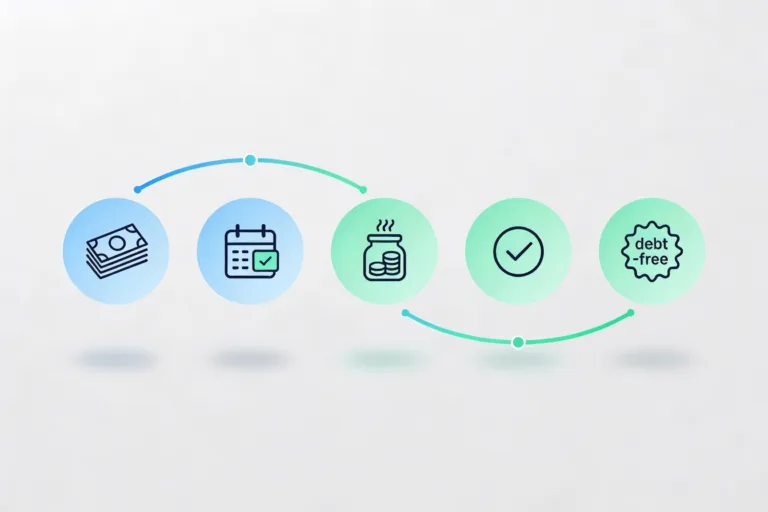
– List each debt with balance, rate, and minimum payment.
– Choose your method (snowball or avalanche) and write your payoff date.
– Add a “deadline day” every month to review progress and celebrate tiny wins.
Boost your payment power without slapping on extra work

If you won’t take a second job, you still have options to squeeze more payoff punch from your existing life.
– Redirect windfalls: tax refunds, gifts, or bonuses go straight to debt.
– Round up payments: every transaction becomes a tiny debt-annihilating weapon.
– Redirect “savings” from small lifestyle tweaks into debt payments.
– Negotiate lower rates or better terms with lenders—sometimes a simple call works wonders.
Smart ways to reallocate funds
– Set a monthly “extra debt payment” line item and stick to it.
– If you renegotiate existing loans, document the new terms and stick to them.
– Use a debt payoff calendar to visualize how fast you’ll reach zero.
Think about your interest math like a hacker
Understanding how interest actually works can change your entire approach.
– Simple idea: the higher the APR, the more you should tackle that debt first if you’re using avalanche.
– Penalty fees can ruin your plan. Avoid late payments and automatic raises in interest when possible.
– The magic of compound interest can work against you when you’re in debt; your goal is to outpace the compounding.
Quick math cheat sheet
– If you owe $5,000 at 20% APR and you pay $200 a month, you’ll be paying longer and more interest than you think. Target higher-interest debts first or make bigger payments when possible.
– Use a debt payoff calculator to visualize scenarios — it’s basically a calculator with a victory dance.
FYI: lifestyle tweaks that matter more than you think

Your life setup can either speed up payoff or drag its feet. Small, steady changes beat big, temporary efforts.
– Automate savings: even tiny amounts matter over time; start with $10–$20 if that’s all you can do.
– Build a “no-spend” discipline for a month or two to see real progress.
– Use cash envelopes for discretionary spending to keep limits real.
– Prioritize sleep and stress management—burnout sabotages momentum.
Implementable routine boosts
– Create a weekly budgeting check-in with yourself (or a buddy) to stay honest.
– Keep a debt payoff brag list: every time you pay, cross it off and celebrate in a small way.
– Use free tools: budgeting apps, debt calculators, and financial literacy resources.
When to consider a pro move: real-world scenarios
Sometimes self-help isn’t enough, and that’s okay. A few strategic moves can unlock real gains.
– If your debt is overwhelming and you’re shrinking your life quality, consult a credit counselor or financial planner.
– If you’re behind on multiple debts and facing collection threats, a reputable nonprofit debt management plan might help.
– If you can refinance but penalties or costs gut the benefit, skip it and focus on the snowball/avalanche plan with your current lenders.
What to ask a pro
– What’s your approach and who funds you? (Be wary of hidden fees or aggressive tactics.)
– Will the plan affect my credit score? How long until you expect improvement?
– Are there any services covered for free or low-cost by reputable programs?
FAQ
1) Can I really pay off debt faster without a side hustle?
Yes. The key is optimizing your payments, reducing interest where possible, and reallocating funds toward the debt. Small, consistent actions beat big, sporadic efforts. Build momentum with a clear plan and keep emotions out of the equation.
2) What’s the best payoff method: snowball or avalanche?
Snowball builds momentum by paying off the smallest balances first, giving you quick wins. Avalanche targets the highest interest rate first, saving you money in the long run. Pick the method that keeps you motivated; you can switch if it helps you stay on track.
3) How do I know if refinancing or balance transfers are worth it?
If you can lower the rate meaningfully and can pay off the balance before any intro period ends, yes. Watch for fees, transfer costs, and whether you’ll actually save enough to matter. If you’re unsure, calculate both scenarios side by side.
4) What about lifestyle changes that actually stick?
Make changes small and sustainable. Automate savings, set realistic limits, and create accountability. Use visual reminders like a payoff board or calendar markers. If you hate a rule, you won’t follow it—make it boring enough to forget you’re even doing it.
5) How long does a typical payoff take?
It varies a ton based on debt size, interest rates, and how aggressively you pay. A couple of hundred bucks extra per month can shave months or years off a multi-thousand-dollar debt. Use a payoff calculator to estimate your exact timeline.
Conclusion
You don’t need a side hustle to win this. You need a smarter plan, a steady rhythm, and a willingness to tighten the screws on spending without turning life into a perpetual demo reel of sacrifices. Start with a tiny audit, pick your payoff method, and commit to a few actionable steps this month. Before you know it, you’ll be staring at a zeroed debt balance and a smile that says you pulled it off — with less grind than you thought possible. IMO, momentum is your best friend here, so get moving and keep the wins coming.