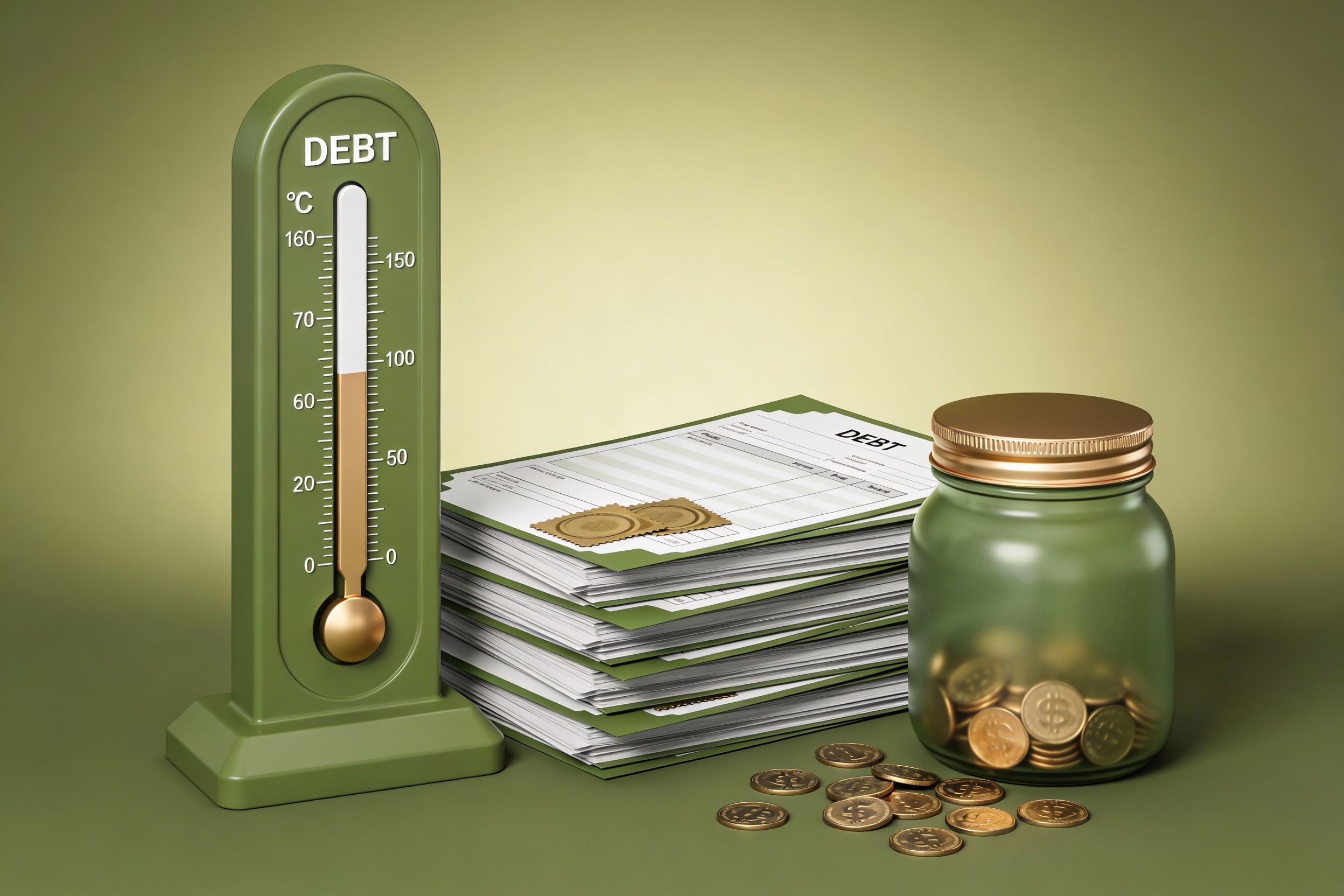
Pay Off Debt Faster: Rules That Actually Work
Debt sucks. There, I said it. Whether it’s credit cards, student loans, or that personal loan you took out for your cousin’s “can’t-fail” business idea, debt weighs you down like a backpack full of bricks. The good news? You don’t need a finance degree or a magic wand to pay it off faster—just a few simple rules and the discipline to stick with them. Let’s break it down.
1. Know Exactly What You Owe (No More Hiding)

You can’t fix what you don’t measure. If you’ve been avoiding your statements like they’re spoilers for your favorite show, it’s time to rip off the Band-Aid.
- List every debt: Credit cards, loans, medical bills—everything.
- Note the balances, interest rates, and minimum payments: A spreadsheet works, but even a napkin will do.
- Face the numbers: Yeah, it might sting, but ignorance isn’t bliss—it’s expensive.
Why This Works
Seeing everything in one place removes the fog. You’ll spot which debts bleed you dry with high interest (looking at you, credit cards) and which ones are just annoying but manageable.
2. Pick a Strategy: Snowball or Avalanche?

There are two main ways to tackle debt, and both work—just differently.
The Snowball Method (Quick Wins FTW)
- Pay off the smallest debts first, regardless of interest rates.
- Roll payments into the next debt as you knock each one out.
This method is all about momentum. Psychologically, crossing debts off your list feels amazing and keeps you motivated.
The Avalanche Method (Math Nerds, Unite)
- Attack the highest-interest debt first to save money long-term.
- Pay minimums on everything else while throwing extra cash at the worst offender.
This saves you more in interest, but progress can feel slower. Choose based on what keeps you fired up—consistency beats perfection.
3. Cut Spending Like a Pro (Without Miserable Frugality)

You don’t have to live on ramen and candlelight. Small, smart cuts free up cash without making life unbearable.
- Kill subscriptions you don’t use: That gym membership you last used in 2019? Gone.
- Meal prep like a boss: Eating out drains wallets faster than a toddler drains phone batteries.
- Negotiate bills: Call providers for better rates on internet, insurance, even your cell plan.
One Big Tip: The “24-Hour Rule”
Before buying non-essentials, wait 24 hours. Half the time, you’ll realize you don’t actually want it. The other half? At least you bought it deliberately.
4. Make More Money (Because Why Not?)
Earning extra cash turbocharges your debt payoff. And no, you don’t need to sell a kidney.
- Side hustles: Freelancing, dog walking, flipping thrift store finds—get creative.
- Sell stuff: That “collector’s edition” DVD set? List it.
- Ask for a raise: If you’ve earned it, shoot your shot. Worst they can say is no.
Where the Extra Cash Should Go
Dump every extra dollar into your chosen debt strategy. Don’t let lifestyle inflation creep in—temporarily live like you didn’t get that bonus or gig money.
5. Automate Payments (So You Can’t Cheat)
Humans are great at self-sabotage. Remove temptation by setting up automatic payments for:
- Minimum payments: Avoid late fees and credit score dings.
- Extra payments: Schedule them right after payday so the money’s gone before you spend it.
Pro Move: Round Up Purchases
Some apps round up your purchases and put the spare change toward debt. It’s painless and adds up faster than you’d think.
6. Celebrate Tiny Wins (Seriously, Do It)
Paying off debt is a marathon, not a sprint. If you only celebrate the finish line, you’ll burn out.
- Paid off a card? Treat yourself (within reason—no new debt!).
- Hit a milestone? Share it: Accountability partners hype you up.
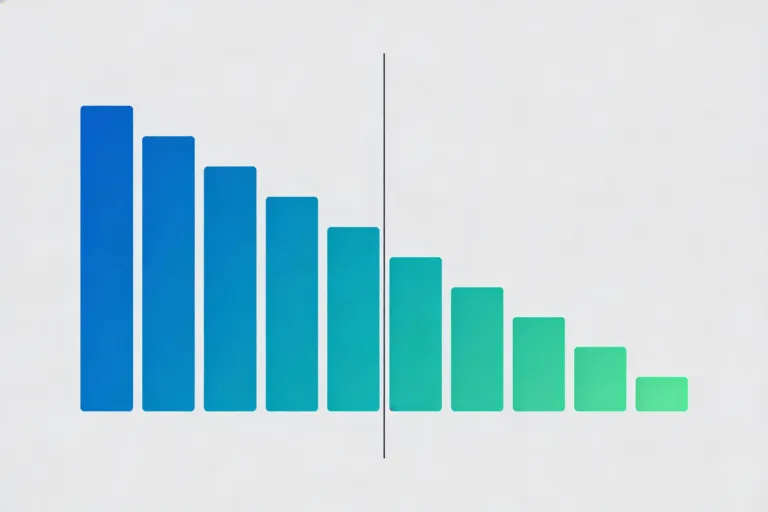
- Track progress visually: A debt-free chart or coloring sheet makes it satisfying.
FAQs
Should I save while paying off debt?
Yes, but minimally. Start with a $500–$1,000 emergency fund so a flat tire doesn’t derail you. Then focus on debt.
What if I have multiple credit cards?
Use your chosen method (snowball or avalanche) to tackle them one at a time. Stop using them while paying them off—otherwise, you’re digging and filling the same hole.
Is debt consolidation worth it?
Sometimes. If you can lower interest rates or simplify payments, go for it. Just don’t treat it as a “reset” to take on more debt.
How do I stay motivated?
Remind yourself why you’re doing this. Visualize the freedom of no payments, better credit, and finally saving for goals instead of past mistakes.
What’s the biggest mistake people make?
Not changing habits. Paying off debt but still overspending means you’ll end up right back where you started.
Final Thought: Just Start
The best debt payoff plan is the one you actually stick to. No strategy is perfect, but action beats overthinking every time. Pick a rule, apply it today, and keep going. Your future debt-free self will high-five you for it.