How to Pay Off Credit Card Debt Fast: A Simple Step-by-Step Plan That Works
You want your credit card balance to stop haunting you like a clingy ex? Good. Let’s rip off the Band-Aid and make a plan that actually works. You don’t need a miracle. You need a system, a few smart tweaks, and a little stubbornness. Ready to ditch the debt faster and keep more of your money? Let’s go.
Get Your Numbers Straight (No Guessing)
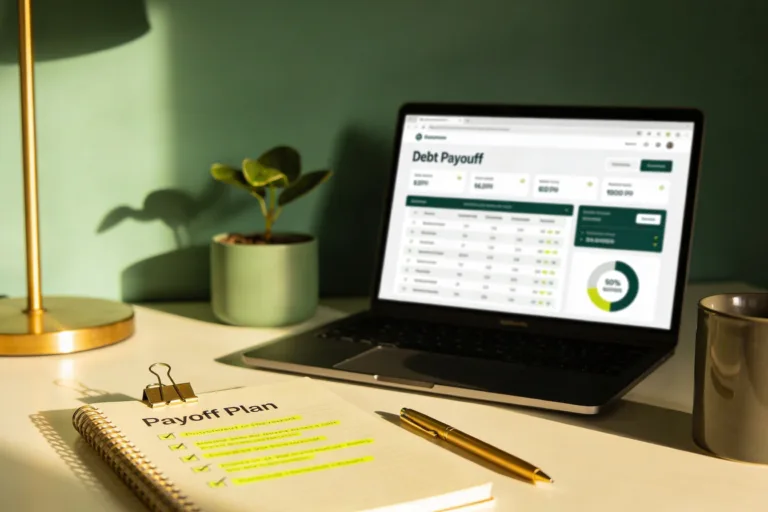
You can’t crush what you can’t see. Pull up every card and write down the balance, APR, minimum payment, and due date. Ugly? Maybe. Necessary? Absolutely.
Create a one-page snapshot:
- Card name and last four digits
- Balance
- APR (interest rate)
- Minimum payment
- Due date
Set every card to autopay the minimum so you never miss a payment. Late fees are the evil twins of debt. Then decide how much extra you can throw at one card each month. That “extra” is your missile.
Pick Your Payoff Strategy: Avalanche vs. Snowball
Both work. Pick the one you’ll actually stick with.
Debt Avalanche (Math wins)
- Pay extra on the card with the highest APR first.
- Save the most money on interest.
- Best if you’re motivated by efficiency and results on paper.
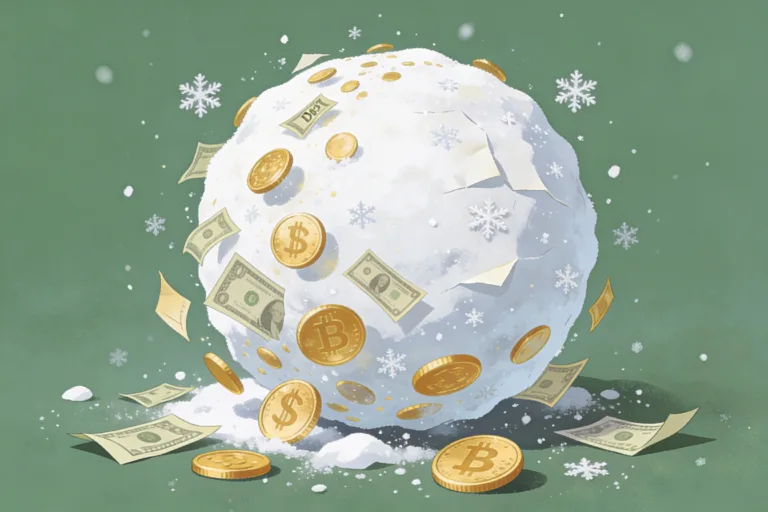
Debt Snowball (Psychology wins)
- Pay extra on the smallest balance first.
- Get quick wins that boost momentum.
- Best if you need those fast “I did it!” moments.
IMO: If you feel stuck or discouraged, start with snowball. If you’re steady and numbers-driven, avalanche it. Either way, keep all other cards at minimums and throw everything at your target card until it taps out.
Hybrid Approach (Yes, you can mix)
If your highest APR and your smallest balance are close, attack the smaller one first for a quick dopamine hit, then switch to avalanche. FYI, the best plan is the one you’ll follow every month.
Slash Interest With Balance Transfers (But Don’t Get Burned)
A 0% APR balance transfer can crank your payoff speed from jog to sprint. You move high-interest debt to a new card with a 0% promo rate for 12–21 months. That means more of your money hits principal.
What to watch:
- Transfer fee: Usually 3–5% upfront.
- Promo period: Know the end date, set a calendar reminder.
- Credit limit: You may not transfer everything.
- New purchases: Don’t. They may not get the 0% promo.
If you can pay it off during the promo window, do it. If not, have a plan for the remaining balance. And please don’t celebrate a balance transfer by swiping the old card again. That’s like mopping while the sink still overflows.
Personal Loan: The Other Interest-Cutting Option
A fixed-rate personal loan can consolidate your credit cards into one payment with a lower APR. You get a clear end date and less temptation. Just compare total interest vs. your current path before you sign.
Make More Room in Your Budget (Without Hating Life)

You don’t need to live on canned beans, but you do need a short-term shift. Think “temporary sprint,” not “forever suffering.”
Cut the easy stuff first:
- Cancel or pause subscriptions you forgot you had.
- Negotiate internet and phone bills. Script it, call, ask for promos.
- Reduce dining out by 50% for two months. Not zero. Just less.
- Sell what you don’t use: electronics, furniture, fitness gear.
Increase income, even a little:
- Take a weekend gig for 60–90 days.
- Freelance skills you already have.
- Ask for the overtime shift (if it pays well).
Every extra $100–$300 you find accelerates your timeline like crazy. Small boosters compound.
Automate, Then Gamify Your Payoff
I’ll be blunt: willpower fades. Systems don’t. You want fewer decisions and more progress.
Set it up:
- Autopay minimums on every card.
- Autopay your “extra” on the target card the day after payday.
- Use calendar reminders for statement dates and promo expirations.
Make it engaging:
- Track balances weekly and watch that line drop. It’s weirdly satisfying.
- Reward milestones: every $500 paid off = small treat, not a shopping spree.
- Rename your target account to “Debt, You’re Done.” Cheesy? Maybe. Effective? Yup.
Biweekly Payments: A Sneaky Edge
Split your monthly payment into two biweekly payments. You squeeze in an extra half-payment each year and reduce interest because your balance dips more often. It’s subtle but effective over time.
Stop the Bleeding: Freeze the Spending

You can’t bail water while drilling new holes in the boat. So pause the card use while you pay it down.
Practical moves:
- Remove cards from online autofill. Out of sight, out of swipe.
- Carry one debit card for necessities.
- Keep one credit card unlocked for true emergencies only.
IMO, this “spending freeze” period is the difference between spinning your wheels and actually getting traction.
Build a Tiny Emergency Buffer
Save $500–$1,000 in a separate account so a popped tire doesn’t send you running back to Visa. It feels backwards to save while paying down debt, but it protects your momentum.
Negotiate Like You Mean It
Yes, you can talk to your creditors. No, it’s not scary. You’re a customer and they want your money back, preferably without drama.
Ask for:
- Lower APR (even a 2–5% drop helps).
- Waived late fees if you had a one-off slip.
- Hardship plans with reduced interest for 6–12 months.
Be polite, be direct, and call in the morning. Write down names, dates, and any promises. You’d be surprised what you can get just by asking.
Protect Your Credit While You Attack

You can pay off debt fast and still keep your score intact.
Do this:
- Keep utilization under 30% per card if possible; under 10% is gold.
- Don’t close your oldest cards right away—age of credit matters.
- Make every payment on time. Set multiple reminders if needed.
If a balance transfer requires a new card, that’s fine. One hard inquiry won’t ruin your life. Just don’t open five new accounts in a month unless chaos is your hobby.
Frequently Asked Questions
Should I pay off the smallest balance or the highest interest first?
Both work. If you want the fastest, cheapest route, pick the highest interest (avalanche). If you need momentum and quick wins, go smallest balance (snowball). The best plan is the one you’ll follow every payday without talking yourself out of it.
Are balance transfer cards worth it?
They can be amazing if you pay off the balance during the 0% period and avoid new purchases. Watch the transfer fee and set an alert 30 days before the promo ends. If you treat it like a loophole to spend more, it backfires. Used well, it’s a turbo button.
How much should I keep in savings while paying off debt?
Keep a small buffer—$500 to $1,000—so emergencies don’t send you back into debt. After that, throw extra cash at the highest-priority debt. Once you’re out, stack a bigger emergency fund (3–6 months of expenses).
Will closing cards help?
Usually not. Closing a card can raise your utilization and shorten your credit history, both of which can ding your score. Lock or stash the card instead of closing it, at least until your balances are way down.
Is debt consolidation a good idea?
It depends on the rate and your habits. A personal loan with a lower fixed APR can simplify payments and save interest. Just comparison shop, avoid origination fees if possible, and don’t rack up new credit card balances after consolidating. Otherwise you end up with two problems.
How fast can I realistically pay off $5,000?
If you pay $350 a month at 22% APR, you’ll need about 18 months and over $800 in interest. Boost that to $500 a month or cut the rate with a transfer, and you could finish in 10–12 months with way less interest. The rate and your extra payments make the biggest difference.
Wrap-Up: Make It Boring, Then Celebrate
Debt payoff isn’t magic—it’s momentum. Pick a strategy, automate the minimums, and throw every extra dollar at one target until it’s gone. Cut interest where you can, freeze the swipes, and protect your credit while you go. Do that for a few months and watch your balance fall faster than your patience for bank fees. Then celebrate, because future-you will be annoyingly grateful. FYI: you’ve got this.