
How to Start Passive Investing for Beginners
Got money you’d rather not babysit? Passive investing is your ticket to growing wealth without turning into a stock-market-obsessed day trader. You’re busy—why not let your money work while you binge Netflix? Here’s how to start, even if your financial knowledge begins and ends with “don’t spend it all on avocado toast.”
Index Funds: The “Set It and Forget It” MVP
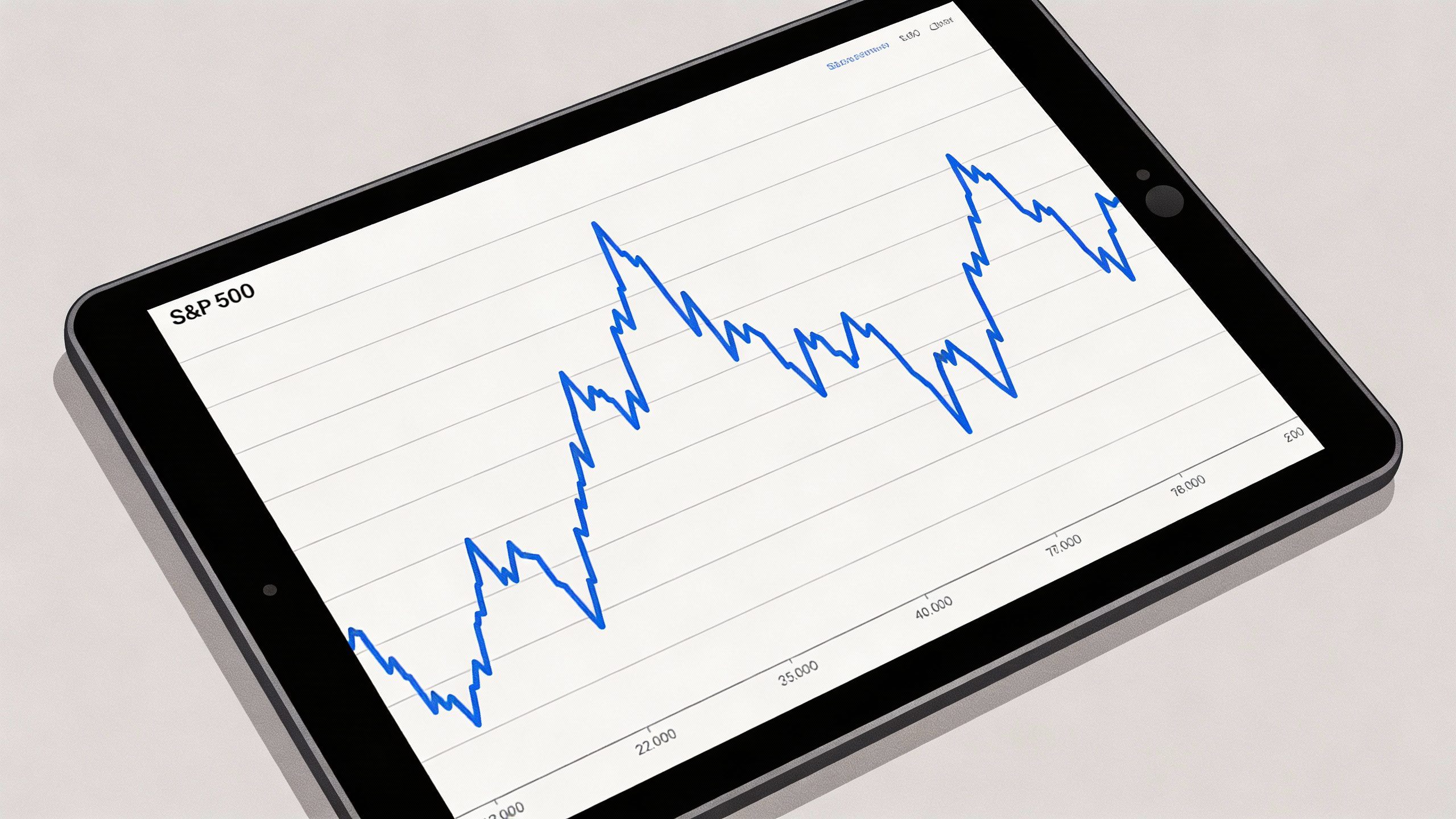
If passive investing had a mascot, it’d be an index fund wearing pajamas. These funds track a market index (like the S&P 500) and deliver solid returns over time without requiring you to pick individual stocks.
Why beginners love them:
- Low fees (seriously, some charge less than 0.10% annually)
- Instant diversification—no betting your life savings on one company
- Historically outperform most actively managed funds over the long haul
FYI, Warren Buffett famously advised his heirs to dump their inheritance into an S&P 500 index fund. If it’s good enough for a billionaire, it’s probably good enough for you.
Best Index Funds for Newbies
Stick with big names like Vanguard (VTI), Fidelity (FXAIX), or Schwab (SWPPX). They’re boring, reliable, and won’t give you a heart attack during market dips.
Robo-Advisors: Let the Bots Handle It
Not sure how to allocate your cash? A robo-advisor (like Betterment or Wealthfront) asks a few questions, then auto-invests your money in a diversified portfolio. It’s like having a financial planner, minus the judgmental looks when you admit you don’t know what a bond is.
Perks:
- Automatic rebalancing (the bot keeps your portfolio on track)
- Tax-loss harvesting (fancy term for “saving you money on taxes”)
- Low minimums—some start with just $1
Downside? You’ll pay slightly higher fees than a DIY index fund, but for hands-off convenience, it’s worth it.
Dividend Stocks: Get Paid to Do Nothing
Some companies share profits with shareholders via dividends—aka, free money (well, sort of). Invest in stable dividend payers like Coca-Cola or Johnson & Johnson, and you’ll earn passive income without lifting a finger.
Pro tip: Reinvest dividends automatically to turbocharge growth. Over decades, compounding turns small payouts into serious cash.
Avoid These Dividend Traps
High yields can be seductive, but if a stock’s dividend looks too good to be true (looking at you, 10%+ payers), it probably is. Stick with “Dividend Aristocrats”—companies with 25+ years of increasing payouts.
Real Estate Crowdfunding: Be a Landlord Without the Drama

Want rental income without fixing leaky toilets at 2 AM? Platforms like Fundrise or RealtyMogul let you invest in real estate alongside other investors.
Why it’s great for beginners:
- Low entry costs (some start at $500)
- No property management headaches
- Diversification across multiple properties
Just know: These investments are less liquid than stocks. Don’t expect to cash out next week for a spontaneous Vegas trip.
Target-Date Funds: The Ultimate Autopilot Move
Planning to retire in 2050? A target-date fund adjusts your asset mix (stocks, bonds, etc.) automatically as you near that year. Pick your retirement date, contribute regularly, and… that’s it.
IMO, these are perfect for anyone who wants to avoid overthinking their portfolio. Just don’t forget to actually *fund* the account—automation won’t magically fill your bank account.
FAQs: Passive Investing for the Lazy (and Smart)
How much money do I need to start passive investing?
Some index funds and robo-advisors let you begin with $0 (thanks to fractional shares). Even $100/month can grow into a small fortune over time.
Is passive investing really “safe”?
Safe? No. Smarter than gambling on meme stocks? Absolutely. Markets fluctuate, but historically, they trend upward. Stay patient.
What’s the biggest mistake beginners make?
Panic-selling during downturns. If you can’t handle watching your portfolio drop 20%, stick your money in a savings account and accept mediocre returns.
How often should I check my investments?
Set up automatic contributions, then glance at your portfolio quarterly. Obsessively checking daily is a fast track to stress-induced gray hairs.
Can I combine different passive strategies?
Yes! Mix index funds with dividend stocks or real estate for extra diversification. Just don’t overcomplicate it—remember, the goal is *less* work.
Conclusion: Stop Overthinking, Start Investing
Passive investing isn’t about getting rich tomorrow. It’s about building wealth slowly, steadily, and without turning finance into a second job. Pick a strategy (or two), automate everything, and go live your life. Your future self will high-five you.