
Best Passive Income Side Hustles for Beginners That Work
You want money that rolls in while you sleep, right? Same. The trick: pick beginner-friendly plays that don’t eat your weekends alive. You won’t get rich overnight (unless your cat goes viral on TikTok), but you can build steady cash flow with smart systems. Let’s skip the fluff and talk about passive income side hustles that actually work.
Define “Passive” So You Don’t Get Burned
Everyone loves the idea of making money without lifting a finger, but that’s not how this works. You’ll put in effort up front, then maintain it with light touches. Think “set up once, tweak occasionally, collect money often.”
Rule of thumb: front-load effort, automate what you can, and protect your time. That’s the passive playbook. With that mindset, here are the best beginner options.
High-Yield Savings, CDs, and Treasury Bills: The Sleep-Better Starter Pack
If you want the most boring, zero-drama option, start here. High-yield savings accounts, short-term CDs, and Treasury bills give you low-risk returns with no required genius.
- High-yield savings: Park your emergency fund here. Fully liquid, easy, and no gotchas if you choose a reputable bank.
- CDs (Certificates of Deposit): Lock in a rate for 6–12 months. Slightly higher yields, less flexibility.
- Treasury bills (T-bills): Government-backed, short maturities, and you can buy them via TreasuryDirect or your brokerage.
You won’t retire off this alone, but you’ll build a money cushion and earn while you plan bigger moves. FYI: you can set up automatic transfers weekly so it grows without thinking.
How to Start in Under 30 Minutes
- Open a high-yield savings account with no monthly fees.
- Set a recurring transfer for a fixed amount each payday.
- Buy a 3–6 month T-bill ladder in your brokerage for better yields.
Effort: 1 hour setup, zero ongoing. Risk: Very low. Return: Modest but steady.
Index Funds and Dividend ETFs: Set-It-and-Snooze Investing
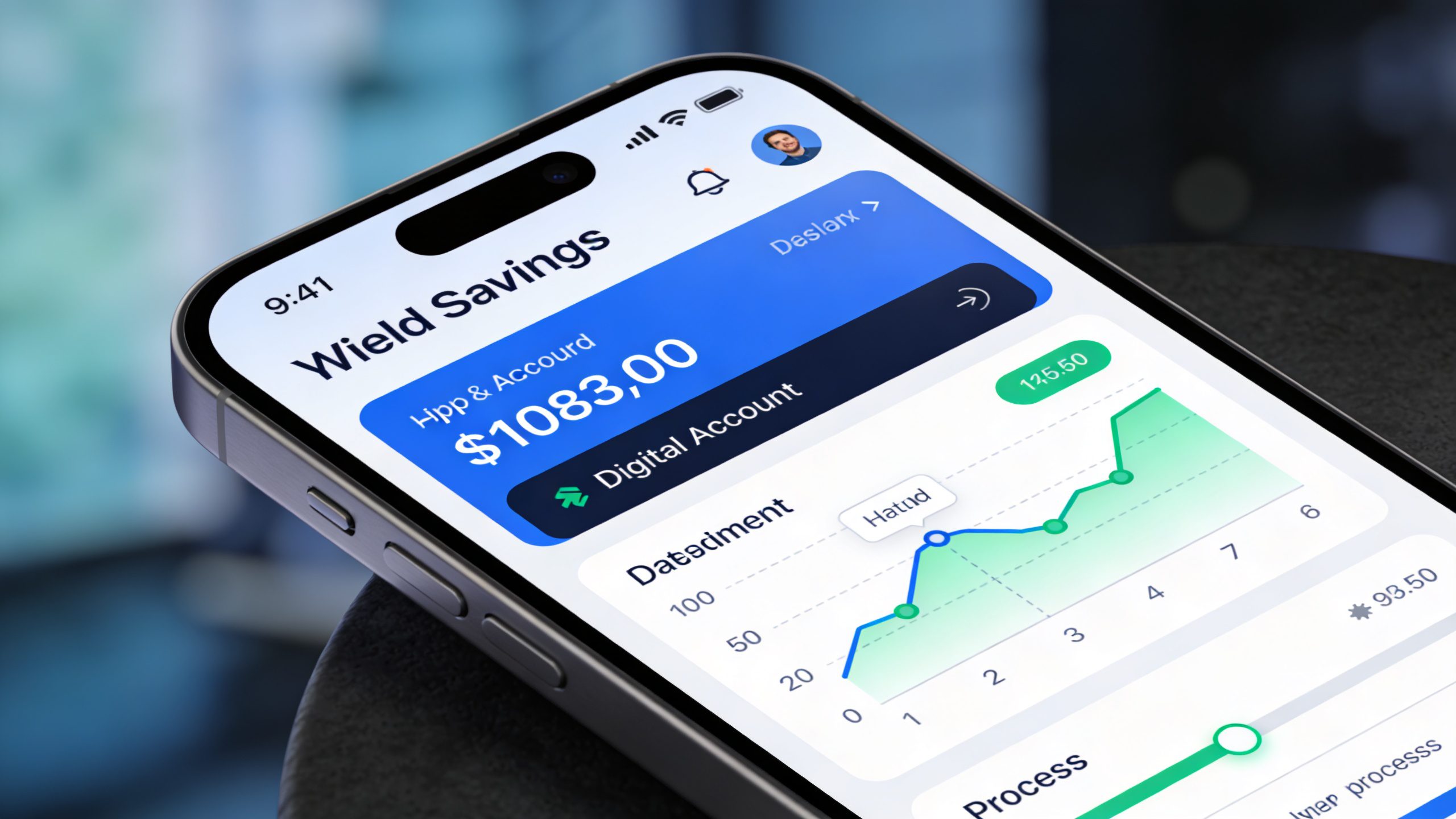
If you want near-hands-off wealth building, broad-market index funds and dividend ETFs deliver. You buy a slice of thousands of companies, and the market does its thing while you sip coffee.
Why this works: Minimal fees, instant diversification, and compound growth. You automate purchases monthly, reinvest dividends, then please don’t check your account every 10 minutes.
Simple Portfolio for Beginners
- Total Market Index Fund (e.g., VTI, ITOT): Core growth engine.
- International Fund (e.g., VXUS): Optional global diversification.
- Dividend ETF (e.g., SCHD, VYM): Adds income without stock-picking stress.
Effort: 2 hours to set up automated buys. Risk: Market ups and downs. Return: Historically strong over long horizons. IMO, this is the most powerful “true passive” play available to normal humans.
Digital Products: Create Once, Sell Forever (Kinda)
You build it once, then watch sales roll in repeatedly. That’s the promise. The reality: choose a useful product and nail your niche.
Great starter products:
- Notion or spreadsheet templates: Budget planners, content calendars, habit trackers.
- Printables: Meal planners, kids’ chore charts, wedding checklists.
- Micro e-books or guides: 30–60 pages on a tight topic you know well.
- Lightweight courses: Screen-recorded tutorials sold on marketplaces.
You don’t need a personal brand of a million followers. You need a clear problem to solve and a place people search for it.
Where to Sell Without Building a Website
- Etsy: Templates and printables crush here.
- Gumroad: Great for e-books, templates, and courses.
- Payhip or Ko‑fi: Dead-simple storefronts with low overhead.
Make It Passive with Systems
- Use templates to batch-produce variations (e.g., weekly and monthly planners).
- Automate delivery via the platform; add FAQs to reduce support emails.
- Turn your product FAQ into a mini knowledge base and link it everywhere.
Effort: 10–20 hours to make your first product, 1–2 hours/month to optimize. Risk: Low cost, moderate competition. Return: Highly variable but scalable.
Affiliate Marketing: Recommend Smart, Earn Commission
Affiliate marketing pays you when someone buys through your link. No inventory. No shipping. Just referrals. The catch? You need trust and targeted traffic.
Pick one content lane:
- Blog or newsletter: Reviews, comparisons, and tutorials rock.
- Short-form video: Quick demos and “before/after” content convert well.
- Niche resource pages: “Best X for Y” lists answer buyer questions fast.
Beginner-Friendly Affiliate Networks
- Amazon Associates: Huge product range, lower commissions but easy wins.
- Impact, CJ, ShareASale: Tons of SaaS and e‑com brands with better rates.
- Direct programs: Many tools offer 20–40% recurring commissions.
Golden rules:
- Promote only what you’ve tested or genuinely believe in. Trust = conversions.
- Use SEO-friendly content (how-tos, comparisons, “best of” lists).
- Disclose affiliate links clearly. It’s the law and just good vibes.
Effort: Consistent publishing for 2–3 months, then traffic compounds. Risk: Algorithm swings. Return: Strong once content ranks. IMO, this pairs perfectly with digital products.
Print-on-Demand: Create Designs, Let Robots Ship
Print-on-demand (POD) lets you upload designs and sell them on shirts, mugs, phone cases, and more. The platform prints and ships each order. You collect a margin, never touch a box, and never guess inventory.
Best platforms for beginners:
- Redbubble, Teespring, Spreadshirt: Easy marketplaces with built-in traffic.
- Printful + Etsy/Shopify: More control and better branding, slightly more setup.
How to stand out:
- Target micro-niches: “Left-handed gardeners” > “gardeners.”
- Lean into trends fast, but avoid copyrighted content (please).
- Use 3–5 core styles and batch-produce variations to test faster.
Passive Tactics That Actually Help
- Schedule seasonal designs months ahead (back-to-school, holidays, sports playoffs).
- Write keyword-rich titles and tags so search finds you.
- Use a single listing template to cut upload time by 80%.
Effort: Design sprints upfront, minimal maintenance. Risk: Competitive niches. Return: Moderate margins, super scalable portfolio.
Rent Out What You Already Own
You might sit on cash-flowing assets without realizing it. You can rent out tools, camera gear, parking spots, storage space, or even your driveway.
- Tools and equipment: Local rental apps and Facebook groups work well.
- Parking and storage: Platforms help you list unused space.
- Camera and drones: Photographers happily rent quality gear for gigs.
Pro move: Create a simple checkout checklist and require deposits. You’ll reduce headaches and keep it passive-ish.
Effort: Listings once, then messages here and there. Risk: Wear-and-tear; mitigate with deposits and insurance. Return: Solid if you own in-demand gear.
Low-Lift Content Libraries: Stock Photos, Clips, and Audio
If you own a decent camera or mic, you can build content libraries that pay royalties. Don’t chase artsy shots. Shoot what marketers need: clean backgrounds, lifestyle scenes, and diverse models doing everyday tasks.
What sells:
- Business and workplace scenes, desk setups, remote work vibes.
- Short B‑roll clips: typing, pouring coffee, city sidewalks, nature pans.
- Simple audio: transition swooshes, ambient loops, podcast intros.
Where to upload: Shutterstock, Adobe Stock, Pond5 (video), Artlist and Epidemic Sound (audio, invite/application needed), and niche platforms.
Effort: Build a catalog over a few weekends; earnings trickle in for years. Risk: Rejection rates; follow submission guidelines. Return: Slow burn but truly passive once uploaded.
The Automation Layer: Make It Actually Passive

Passive income gets real when you automate. Otherwise, you just created another job with a cute hat.
Automations to set up today:
- Banking: Auto-transfer from checking to high-yield savings and brokerage every payday.
- Storefronts: Auto-deliver digital products and send post-purchase emails with FAQs.
- Marketing: Schedule social posts weekly. Batch content once, drip it for a month.
- Analytics: Use dashboards or spreadsheets to track sales, conversion rates, and top performers.
Tip: Fix the leakiest bucket first. If traffic is fine but conversion stinks, improve product photos or your offer. If traffic is weak, publish one new asset per week (blog, video, or listing). Small, consistent action beats random sprints.
How to Choose Your First Passive Hustle
Overwhelm kills momentum. Let’s keep it simple. Pick one option that matches your energy, skills, and patience, then go.
Fast-start picks by personality:
- The Minimalist: High-yield savings + T‑bill ladder + automated index fund buys.
- The Creator: Digital templates on Etsy + Gumroad, promoted with 1 video/week.
- The Reviewer: Affiliate blog with gear you already use; publish 1 comparison weekly.
- The Designer: POD store with 50 designs aimed at a micro-niche.
- The Shutterbug: 200 stock photos and 25 B‑roll clips uploaded over 2 weekends.
A 30-Day Beginner Action Plan
- Week 1: Set up accounts (bank, brokerage, platforms). Choose one hustle.
- Week 2: Build your first product batch (templates, designs, 3 blog posts, etc.).
- Week 3: Publish and optimize listings. Add keywords, mockups, and clear benefits.
- Week 4: Create light promotion (one email, three short videos, two forum posts). Review analytics.
By day 30, you’ll have systems running and something—anything—earning. That momentum matters.
Common Mistakes Beginners Make (And How to Dodge Them)
Let’s save you some facepalms.
- Trying five hustles at once: Split focus = slow results. Start with one, add later.
- Quitting too early: Most platforms snowball after 60–90 days. Give it time.
- Ignoring SEO and keywords: If no one finds you, no one buys. Do basic research.
- Underpricing: Low prices attract support-heavy buyers. Charge fairly; bundle for value.
- Skipping legal basics: Disclose affiliates, respect copyrights, and track taxes. Future-you says thanks.
FAQ
How much money do I need to start?
You can start many options with under $100. Digital products and affiliate marketing cost almost nothing beyond time. For investing, even $25–$100 per paycheck into index funds adds up fast. Start tiny, prove momentum, then scale.
Which passive income stream pays fastest?
Renting gear or space can bring cash this week. Print-on-demand and digital products can land sales within days if you already have an audience. Index funds and ETFs pay off long-term, not overnight. Choose based on timeline expectations.
Do I need a big social media following?
Nope. Marketplaces like Etsy, Redbubble, and stock libraries have built-in demand. SEO-focused content (blogs, YouTube, Pinterest) brings targeted traffic without huge followings. A small, engaged audience beats a giant, bored one every time, IMO.
How passive is this really?
Every option here needs setup and light maintenance. The goal is leverage, not laziness. You build assets once—listings, templates, posts—that keep working with minimal upkeep. If you want zero effort, that’s called a nap, not a business.
What about taxes?
Track income and expenses from day one. Use a simple spreadsheet or basic bookkeeping tool. Set aside a percentage of profits for taxes, and keep receipts. If you scale, talk to a tax pro about deductions and entity options. Boring? Yes. Necessary? Absolutely.
How do I avoid scams and junk courses?
If someone promises “$10K in 10 days,” run. Look for creators who show process, not just screenshots. Buy tools only when they solve a real bottleneck. Free resources and platform docs usually cover 80% of what you need, FYI.
Conclusion
Passive income isn’t magic—it’s systems. Pick one path, build a small asset, and automate the boring parts. Keep shipping, keep tweaking, and let compounding do the heavy lifting. Do that for a few months and your money starts working harder than you do, which, IMO, is the entire point.