

Overwhelmed Beginner Investing: How to Start Without Fear
Investing feels like a secret club where everyone else knows the password except you. Stocks? Bonds? ETFs? The jargon alone makes your head spin. But here’s the truth: You don’t need a finance degree or a crystal ball to start. In fact, the biggest mistake beginners make is waiting until they “know enough” – because spoiler alert, no one ever feels 100% ready.
Why You’re Overwhelmed (And It’s Not Your Fault)
Financial media loves drama. Headlines scream about crashes, bubbles, and “the next big thing,” making investing seem like a high-stakes casino game. Add in influencers pushing crypto schemes or get-rich-quick nonsense, and no wonder you’re paralyzed.
The Two Biggest Myths That Trip Beginners Up
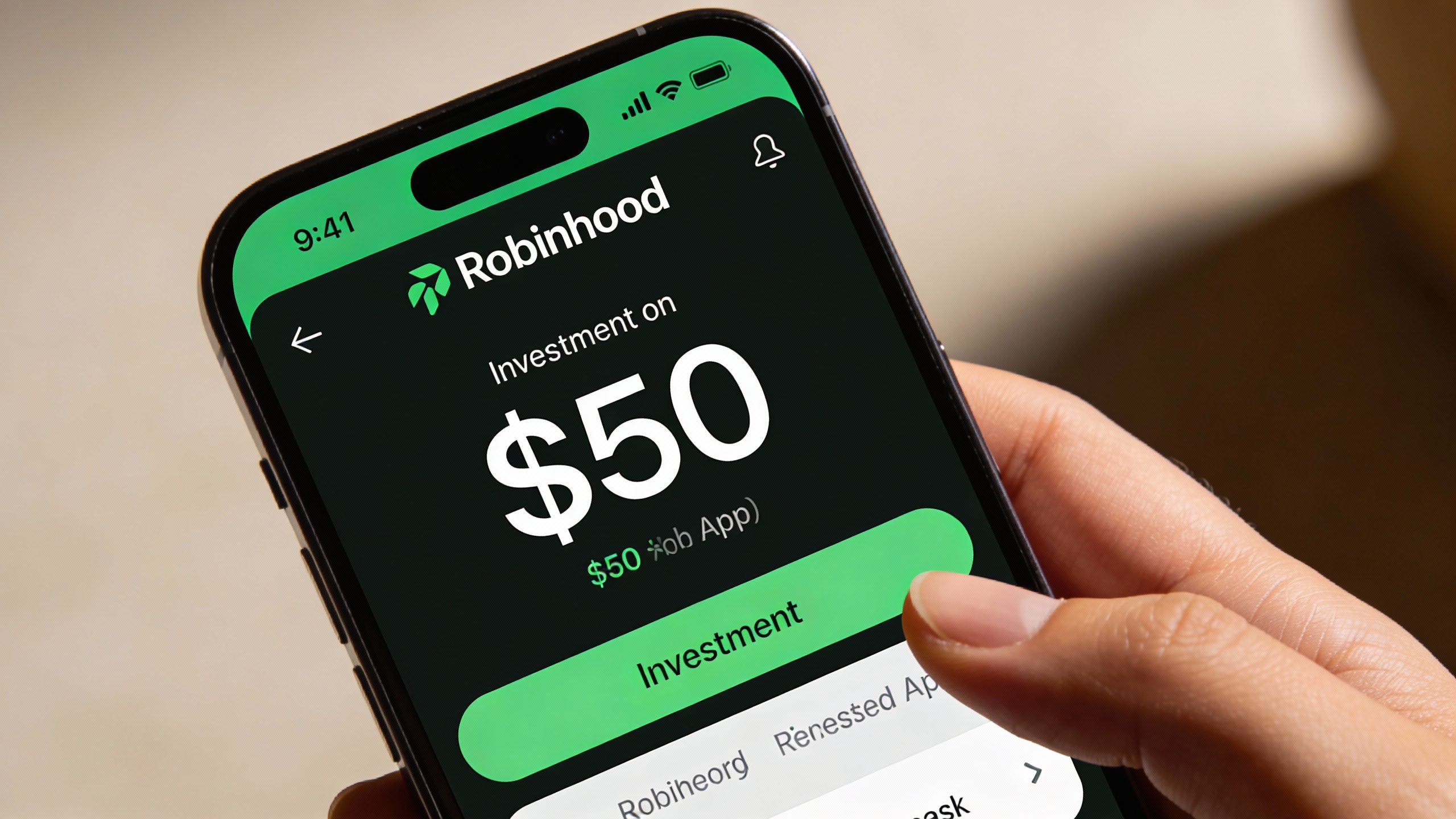
- “I need tons of money to start.” False. You can begin with $50 using apps like Acorns or Robinhood. Even Warren Buffett started small.
- “I have to time the market perfectly.” Nope. Time in the market beats timing the market every time. Missing just a few of the best days can wreck your returns.
Start Simple: The “Boring” Stuff That Actually Works
 Timing the market’**” style=”max-width: 100%; height: auto; border-radius: 8px; box-shadow: 0 4px 8px rgba(0,0,0,0.1);” />
Forget chasing hot stocks or meme coins. The real wealth-builders are the unsexy, steady options:
- Index funds: These track the whole market (like the S&P 500) so you’re not betting on one company. Set it, forget it, let compounding do the work.
- ETFs: Similar to index funds but trade like stocks. Great for diversification without needing a fortune.
- Retirement accounts (401(k), IRA): Tax advantages? Free money from employer matches? Yes, please.
The One Rule to Avoid Disaster
Never invest money you’ll need within 3–5 years. Markets go up and down – if you panic-sell during a dip, you lock in losses. Emergency fund first, investing second.
How to Actually Pick Investments (Without Losing Sleep)

Analysis paralysis is real. Here’s a cheat sheet:
- Decide your risk tolerance. If you’ll check your portfolio every 5 minutes during a downturn, lean conservative. If you can ignore the noise, go for growth.
- Choose your account type. Retirement? Taxable brokerage? Different goals need different buckets.
- Pick a strategy. A classic 60/40 stocks/bonds split, or all-in on index funds? Both work if you stick with them.
FYI, robo-advisors like Betterment or Wealthfront handle this for you if you’d rather outsource the thinking.
The Psychological Hacks Every Beginner Needs

Investing is 80% mindset, 20% math. Here’s how to stay sane:
- Automate everything. Set up automatic transfers so you invest before you can spend the money. Out of sight, out of mind.
- Stop comparing yourself. Your coworker bragging about their Bitcoin gains? Odds are they’re lying or about to get wrecked.
- Embrace boring. The most successful investors are the ones who do nothing for decades. Excitement = risk.
When to Check Your Portfolio (Hint: Rarely)
Once a quarter is plenty unless you’re rebalancing. Daily checking turns you into an emotional trader – and emotions lose money.
FAQ: The Questions You’re Too Embarrassed to Ask
How much should I invest each month?
Start with whatever you can, even $20. Aim to ramp up to 10–15% of your income over time. Consistency matters more than amount.
What if the market crashes?
Crashes are normal. If you’re investing for the long term (10+ years), they’re actually opportunities. Shares go on sale – keep buying.
Do I need a financial advisor?
Probably not yet. If you’ve got under $100K, low-cost index funds and some basic research will do. Advisors make sense for complex tax situations or inheritance windfalls.
How do I know if an investment is a scam?
If it promises “guaranteed returns” or sounds too good to be true, run. Stick to regulated brokerages and well-known funds. IMO, if someone’s pitching it on TikTok, be skeptical.
Just Start Already
The perfect time to invest was yesterday. The second-best time? Today. You’ll make mistakes – everyone does – but the cost of waiting is far higher. Open an account, buy a single index fund, and congratulate yourself: You’re now an investor. Welcome to the club (password: compound interest).