
Savings Challenges That Don’t Feel Restrictive
Got money goals but hate the idea of strict budgeting? You’re not alone. Most savings advice sounds like a financial bootcamp—cut everything fun, live on rice and beans, and maybe you’ll afford a vacation in 2045. Hard pass. The good news? Saving doesn’t have to feel like punishment. Here are playful, low-pressure ways to grow your cash without feeling like you’re on a financial diet.
The “Round-Up” Game: Sneaky Savings for the Forgetful
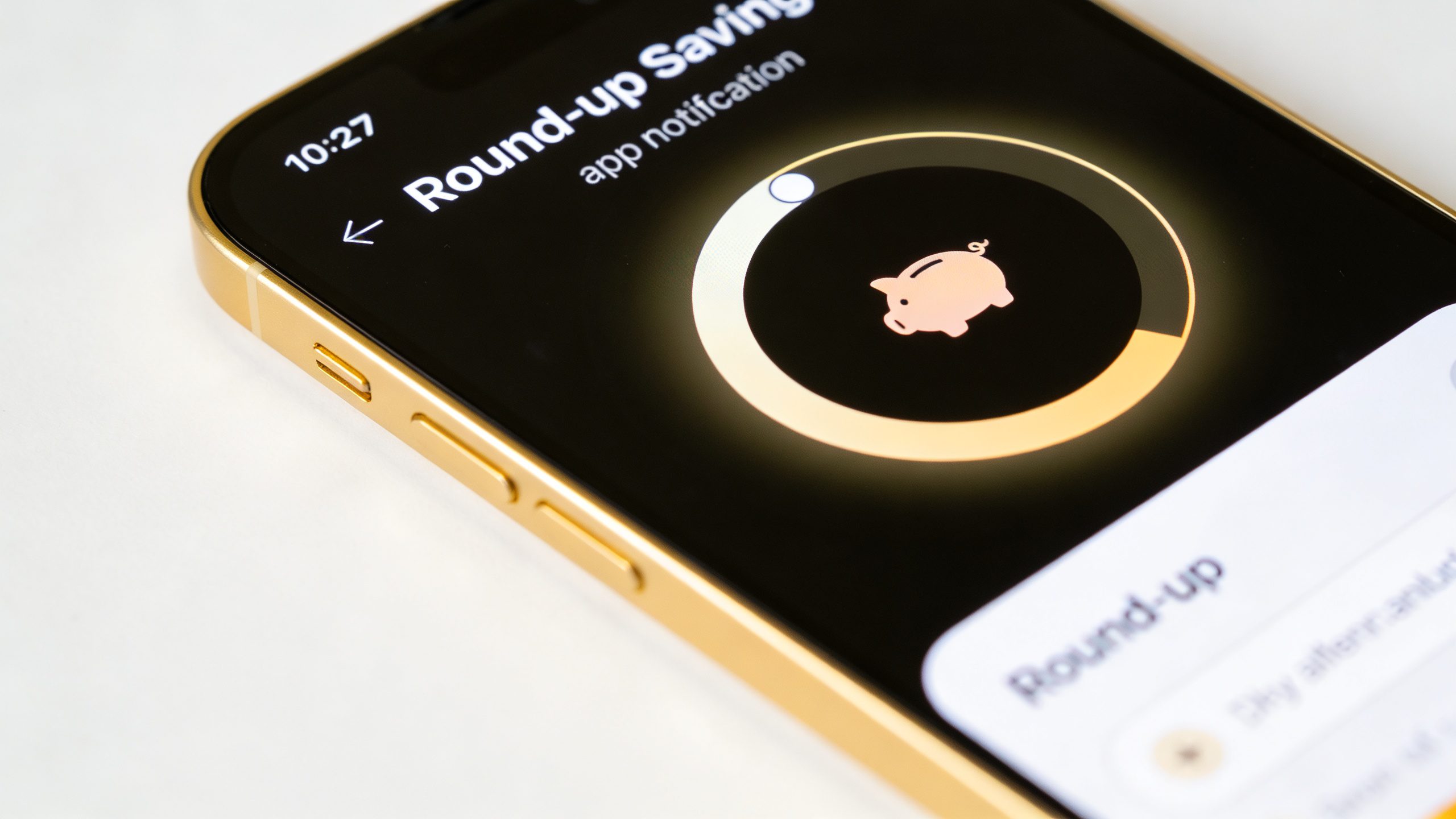
Imagine saving money without ever thinking about it. That’s the magic of round-up apps. Every time you swipe your card, these apps round up your purchase to the nearest dollar and stash the difference in savings.
- Example: Buy coffee for $3.75? The app saves $0.25.
- Best part: It’s painless. You won’t miss pocket change, but over time, it adds up.
Try apps like Acorns or your bank’s built-in round-up feature. After a few months, check your balance—you’ll probably be shocked at how much “invisible” money you’ve saved.
Pro Tip: Supercharge Your Round-Ups
Some apps let you multiply your round-ups (e.g., 2x or 3x the amount). If you can swing it, this turbocharges your savings without effort.
The “No-Spend” Day Challenge
Before you panic: this isn’t about deprivation. Pick one day a week where you don’t spend a single dollar. No coffee runs, no impulse Amazon buys, nada.
Why it works:
- Breaks the autopilot spending habit (looking at you, midday snack runs).
- Makes you creative—pack lunch, rediscover free hobbies, or finally use that gym membership.
Start with one day. If it feels easy, add another. You’ll be surprised how much you save just by pausing the micro-transactions.
The “Dollar-for-Dollar” Match (But for Fun)
Here’s a twist: Every time you spend on something non-essential (like takeout or a new video game), match that amount in savings.
- Spend $20 on sushi? Transfer $20 to savings.
- Buy a $50 sweater? Congrats, your savings just grew by $50 too.
This isn’t about guilt-tripping yourself—it’s about balance. You still get the treat, but your future self gets a bonus.
When to Skip This Trick
If your budget’s tight, don’t stress about matching big purchases. Adjust the ratio (e.g., save 50% of the cost) or cap it at a certain amount.
The “52-Week” Money Hack (With a Twist)

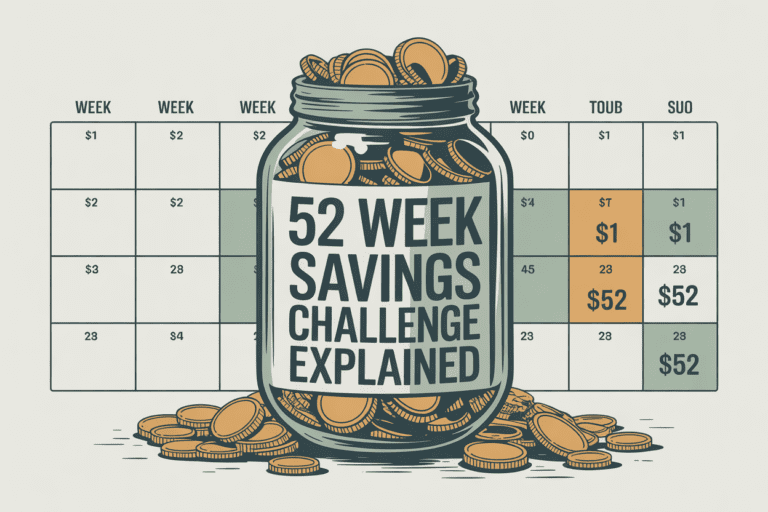
You’ve seen the classic 52-week challenge: save $1 week 1, $2 week 2, and so on. By December, you’ve got $1,378. Solid, but rigid.
Try these flexible versions instead:
- Reverse it: Start with $52 week 1, then decrease. Early momentum feels motivating.
- Randomize: Pick amounts based on what you can afford each week. No rules, just progress.
FYI, failing a week isn’t a disaster. Just pick up where you left off.
The “Bad Habit Jar” (Pay Yourself for Slip-Ups)
Swear you’ll stop late-night online shopping… but then your willpower vanishes at midnight? Turn setbacks into savings.
Every time you indulge in a habit you’re trying to break (e.g., buying bottled water instead of using your reusable one), drop a set amount into savings.
- It’s not punitive—you’re literally paying yourself to improve.
- Over time, you’ll either save more or break the habit. Win-win.
The “Visual Progress” Trick

Saving feels abstract until you see it. Try:
- A coloring chart where you fill in sections as you save.
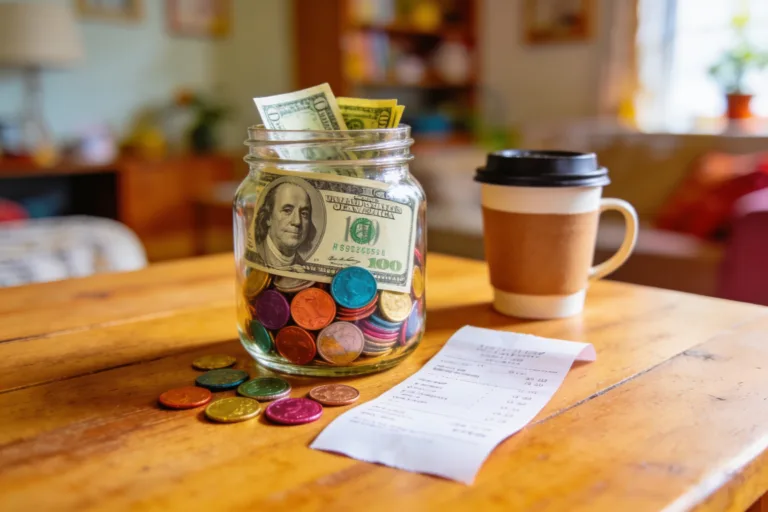
- A jar of cash for short-term goals (like a concert fund).
Visual wins trigger dopamine—aka the “heck yeah, keep going” feeling.
FAQs
What if I can’t save the same amount every week?
No stress! Savings challenges aren’t one-size-fits-all. Adjust amounts, skip weeks, or save based on percentages. Consistency > perfection.
Do these actually work for big goals?
They’re great for building the habit and small-to-medium goals. For big-ticket items (like a house), pair these with automated transfers to a high-yield account.
How do I stay motivated?
Celebrate tiny wins. Saved $50? Do a mini dance. Track progress in an app or a fun spreadsheet. IMO, treating yourself (within reason) keeps it fun.
What if I accidentally spend my savings?
Separate your savings from your checking account. Out of sight, out of mind—and out of spending temptation.
Go Forth and Save (Without the Suffering)
Saving money shouldn’t feel like a chore. The best strategies are the ones you’ll actually stick with—whether that’s gamifying it, making it visual, or tricking yourself into saving spare change. Pick one or two methods that vibe with your lifestyle, and ignore the rest. Your bank account (and your sanity) will thank you.