No Spend Challenge Rules for Beginners
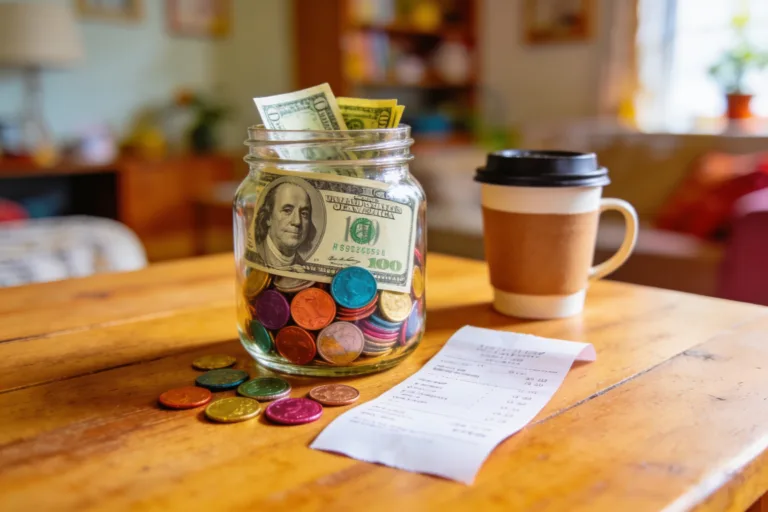
I blew $7 on a latte once and pretended it “didn’t count.” Spoiler: it counted. 😅
That tiny coffee was my wake-up call, and it pushed me into my first no spend challenge.
I felt curious, slightly terrified, and weirdly excited all at once.
If you’ve ever opened your bank app and thought, “Where did my money go?”, you’re in the right place.
A no spend challenge isn’t punishment. It’s a reset.
It forces you to see habits clearly instead of swiping on autopilot.
And yes, it can actually feel fun if you play it right.
Ready to learn the no spend challenge rules that actually work for beginners?
What a No Spend Challenge Really Is
A no spend challenge means you intentionally stop non-essential spending for a set period of time.
You still pay your bills, buy food, and handle emergencies.
You just pause the extra stuff that quietly drains your wallet.
Ever realized how fast small purchases add up?
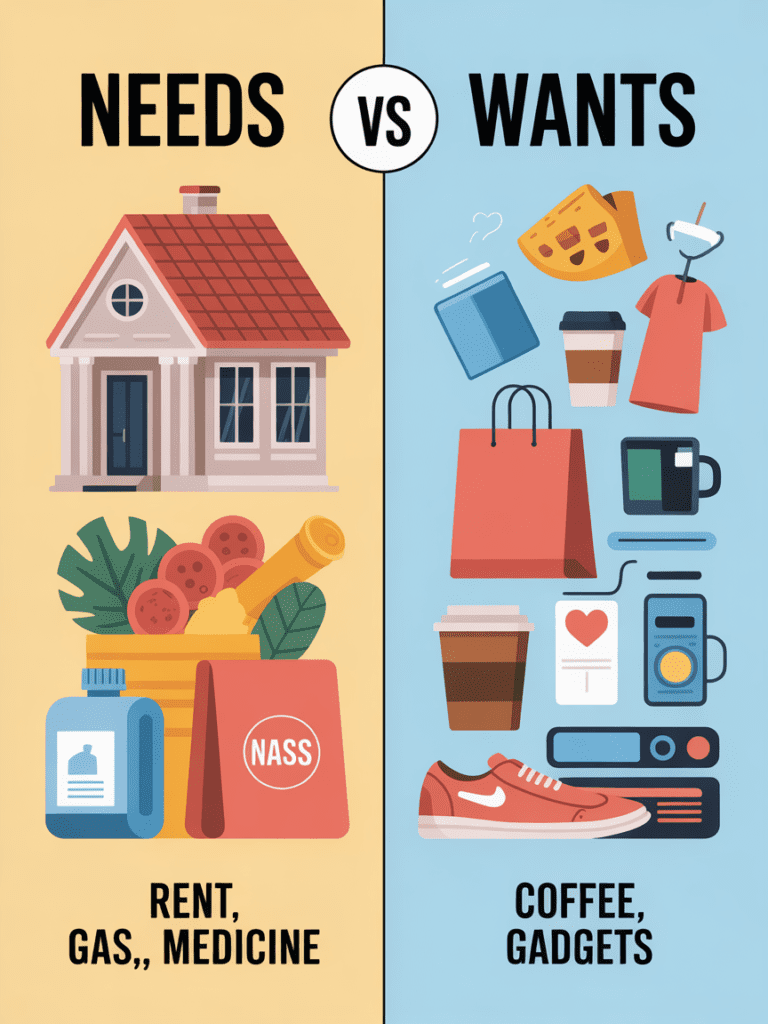
Needs vs. Wants (Your New Superpower)
You decide what counts as a need and what counts as a want.
Needs keep you alive and functioning. Wants just make life shinier.
Your job is to protect your needs and freeze your wants.
Sounds simple, but your brain will argue with you daily.
Needs usually include:
- Groceries (real food, not snacks you “deserve”)
- Rent or mortgage
- Utilities and internet
- Transportation to work
- Basic medical care
Wants usually include:
- Takeout coffee
- Online shopping
- New clothes “just because”
- Subscriptions you never use
- Impulse buys at Target
If you hesitate even a little, it’s probably a want.
Core No Spend Challenge Rules for Beginners
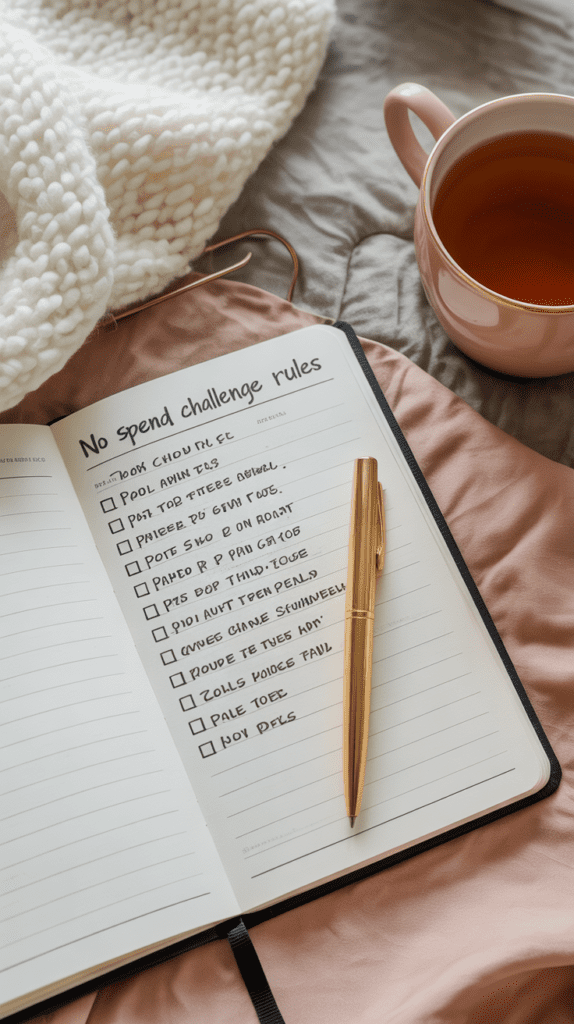
These are the no spend challenge rules I wish someone had given me on day one.
- No impulse purchases — period.
If you didn’t plan it, you don’t buy it. Full stop. - Use cash only for essentials.
Leave your credit card at home.
Watching physical bills leave your hand hits different. - Define your exceptions clearly.
Decide in advance what you will allow.
Ambiguity creates loopholes. - Track every dollar.
If you spend, you write it down.
Awareness beats willpower every time. - No “treat yourself” loopholes.
Feeling stressed does not make a purchase essential.
I learned this the hard way. - Set a start and end date.
Open-ended challenges fail more often.
Deadlines keep you focused. - Tell at least one person your plan.
Accountability makes you stronger.
Your best friend or partner can call you out kindly.
These rules keep your challenge clean and powerful.
Choosing Your Timeline

Your timeline can make or break your success.
Pick something realistic instead of heroic.
You want progress, not burnout.
Would you rather sprint or build a steady habit?
7-Day Reset (Beginner Friendly)
This works like a detox for your wallet.
Seven days feels doable and slightly exciting.
You build momentum fast.
Most people already save $100–$300 in one week.
14-Day Reset (Serious Mode)
Two weeks reveals your real habits.
You feel cravings for shopping around day 5 or 6.
Then something shifts around day 10.
You start feeling calmer and more in control.
30-Day Challenge (Life Changer)
Thirty days can literally reshape your money mindset.
You break old patterns and build new ones.
You also prove to yourself that you don’t need half the stuff you thought you did.
IMO, this is where the magic really happens.
What You Can Spend On (Smart Exceptions)
Beginners often fail because they go too extreme.
Don’t do that.
Instead, define smart exceptions upfront.
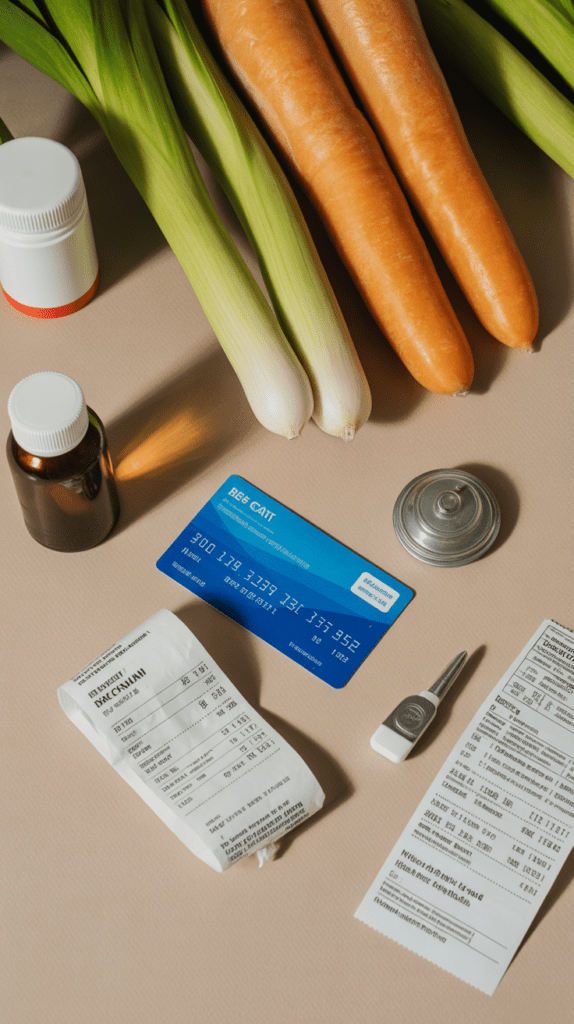
Good exceptions include:
- Groceries (within a budget)
- Gas or transit
- Bills and rent
- Prescriptions
- Emergency repairs
Optional exceptions (choose carefully):
- One low-cost social outing per week
- Basic hygiene items
- Replacement of truly broken essentials
If you feel unsure, pause before spending.
Your future self will thank you.
Handling Subscriptions
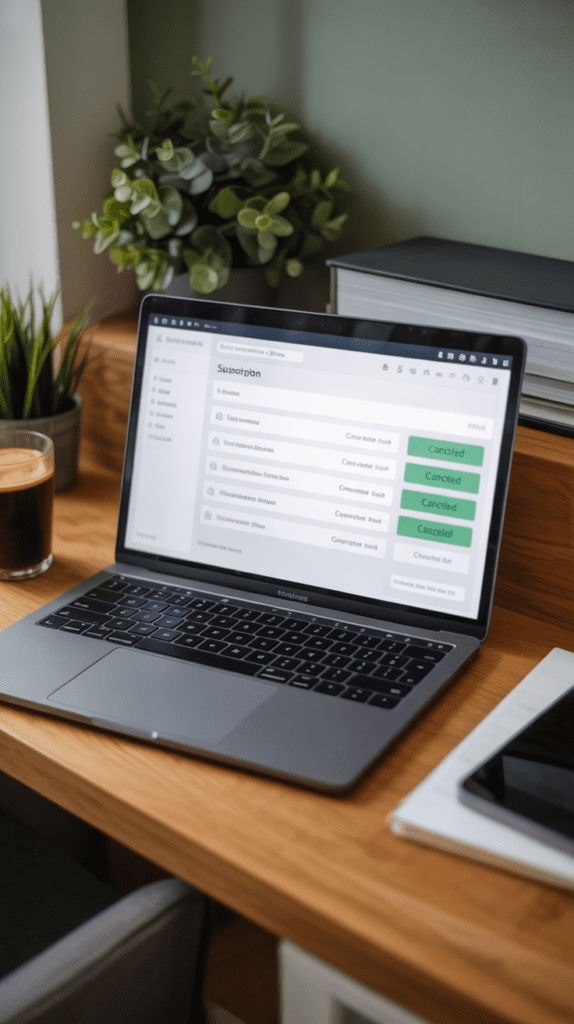
Subscriptions are silent budget killers.
During your challenge, audit every single one.
Ask yourself three questions:
- Do I actually use this?
- Would I pay for it today?
- Does it add real value?
Cancel anything that fails the test.
Yes, even that app you opened once in 2022.
FYI, this step alone can save $50–$150 a month.
Tracking Your Spending Like a Pro

You can’t improve what you don’t track.
Write everything down.
Use a notebook, notes app, or budget app.
The method matters less than consistency.
Simple Tracking Options
- Notes app: fast and honest
- Google Sheet: neat and visual
- Budget app: automated and detailed
At night, review your spending in two minutes.
Ask, “Did this align with my goals?”
If yes, great. If not, adjust tomorrow.
Grocery Strategy That Saves Big Money

Groceries become your biggest expense during a no spend challenge.
Plan before you shop.
Never wander hungry into a store.
Seriously, that’s when $8 cookies appear in your cart.
Smart Grocery Rules
- Make a meal plan first.
- Shop with a list only.
- Buy whole foods, not snacks.
- Cook in batches.
- Use leftovers creatively.
Example: roast chicken becomes three meals — dinner, sandwiches, and soup.
That single bird can feed you for days.
Ever tried stretching food like this? It’s oddly satisfying.
Staying Social Without Spending

People assume a no spend challenge means isolation.
That’s false.
You just get more creative.
Free or low-cost ideas:
- Movie night at home
- Potluck dinner with friends
- Park picnic
- Long walk and deep chat
- Game night
You still connect, just without dropping $60 at a restaurant.
Plus, you discover who actually wants to hang out with you, not your wallet.
Fighting FOMO and Peer Pressure
Friends may tease you.
Some might not get it.
That’s okay.
You don’t need permission to manage your money.
Say this confidently:
“I’m doing a no spend challenge to reset my budget.”
Most people respect that.
Some will even ask how to join you.
Have you noticed how boundaries actually earn respect?
Common Beginner Mistakes (Avoid These)

I made almost all of these. Learn from me.
- Going too strict too fast
- Not setting clear rules
- Forgetting to plan meals
- Relying only on willpower
- Quitting after one slip-up
One mistake does not ruin your challenge.
It just teaches you something useful.
What To Do With the Money You Save
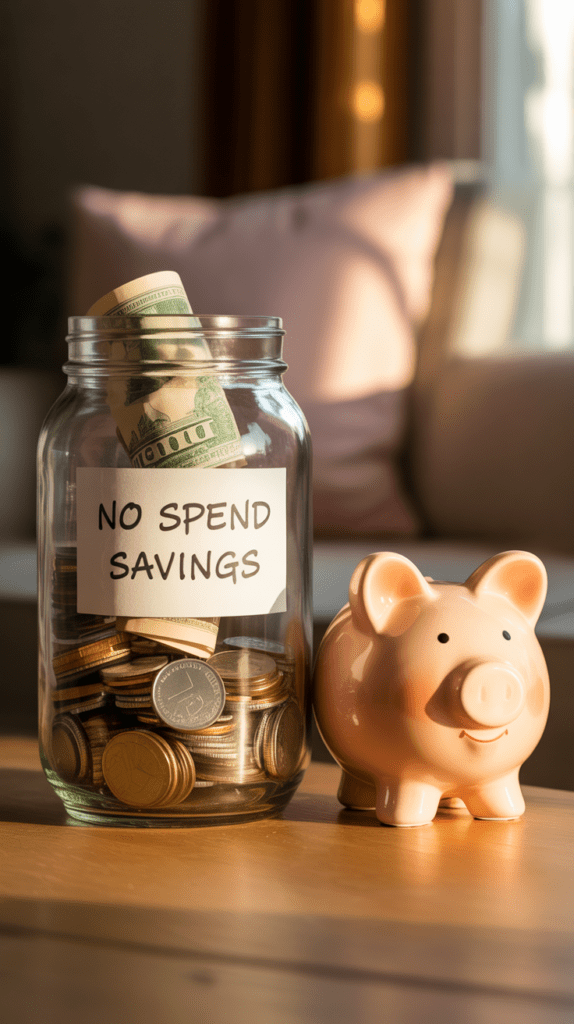
Don’t just let savings sit aimlessly.
Give them a job.
Smart options:
- Build an emergency fund
- Pay down credit card debt
- Save for a trip
- Start an investing habit
When you watch your savings grow, motivation skyrockets.
Suddenly skipping that latte feels easy.
If You Slip Up (Because You Probably Will)
You will mess up at least once.
That’s normal.
Do not quit.
Just restart the next day.
Ask yourself:
- What triggered me?
- Was I stressed, tired, or bored?
- How can I handle that better next time?
Growth beats perfection every time.
How to Make Your Challenge Actually Stick
Consistency matters more than intensity.
Keep rules simple.
Review your progress weekly.
Celebrate small wins.
Maybe you saved $120 in a week.
That’s real money, not imaginary.
Treat yourself to something free — like a long bubble bath or a sunset walk.
The Bigger Picture: Why This Works
A no spend challenge doesn’t just save money.
It changes how you think about consumption.
You learn the difference between desire and necessity.
You realize you can feel happy without buying stuff.
Your brain rewires slowly.
Your bank account thanks you quickly.
Ever wondered how peaceful life feels with less financial stress?
Conclusion

These no spend challenge rules give you structure without cruelty.
You define needs, freeze wants, track spending, and stay social.
You make smart exceptions, plan meals, and learn from slip-ups.
Most importantly, you prove to yourself that you control your money — not the other way around.
Start small if you need to. Try seven days.
Watch your habits shift.
Watch your savings grow.
And the next time you eye that $7 latte, you might just smile and walk past it.