Monthly Savings Challenges That Actually Work
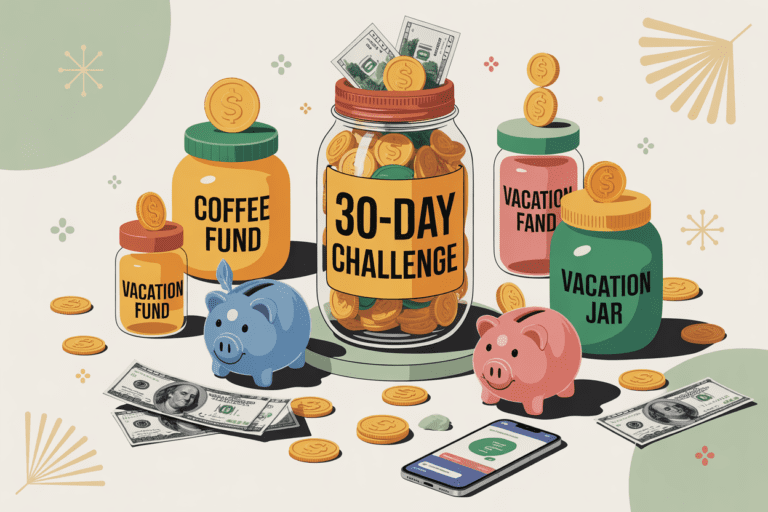
Saving money doesn’t have to feel like a chore—or worse, like you’re punishing yourself. The best way to build a savings habit? Make it a game. Monthly savings challenges turn the grind into something fun, flexible, and surprisingly addictive. No start dates, no rigid rules—just clever ways to trick yourself into stashing cash without the side of guilt. Ready to play?
The Classic “Round Up” Challenge

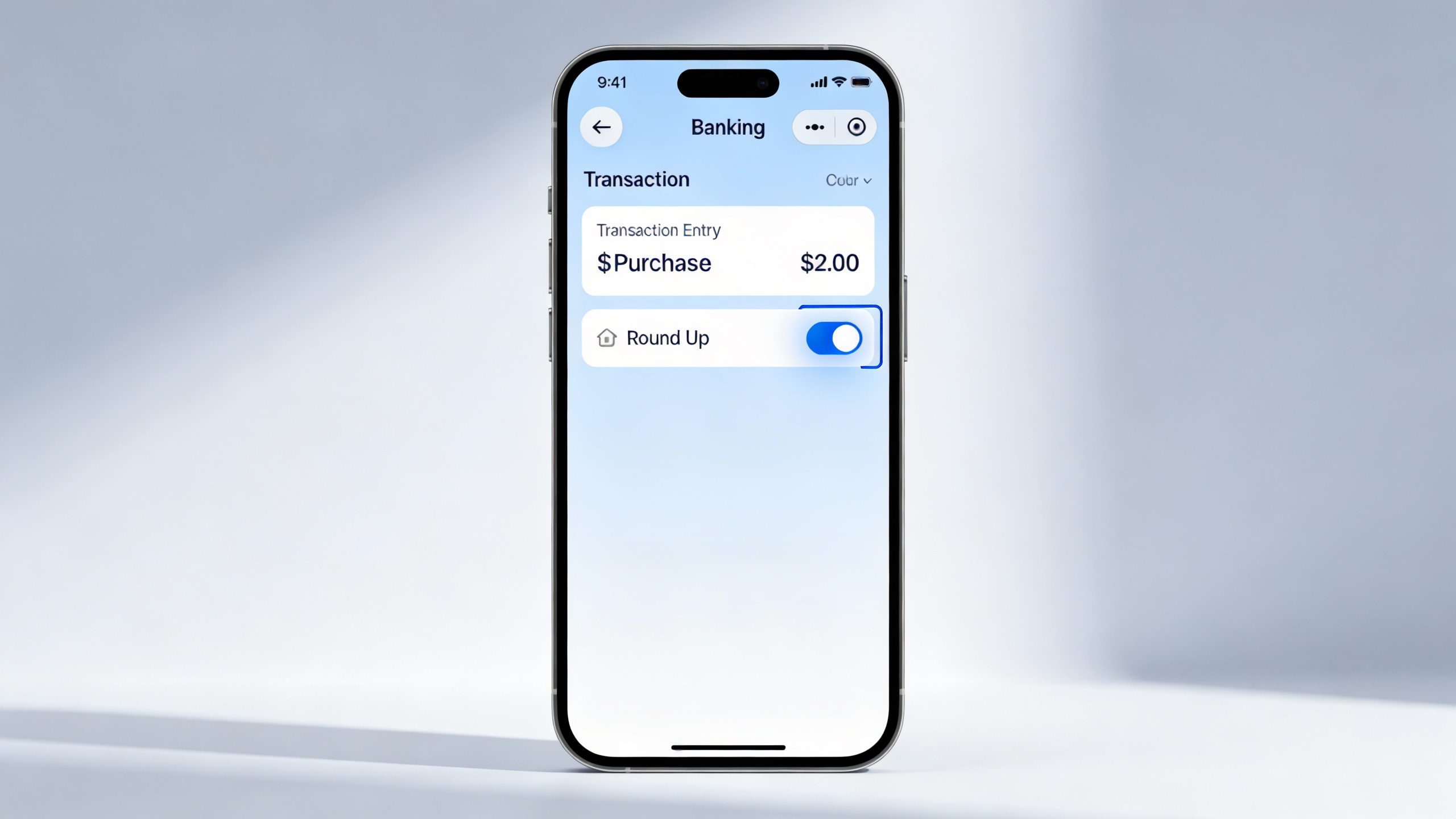
This one’s perfect for people who hate math (or just love simplicity). Every time you make a purchase, round up the amount to the nearest dollar and stash the difference. Bought coffee for $3.75? Save $0.25. Spent $12.30 on lunch? Save $0.70.
Most banking apps now automate this, but if you’re old-school, keep a jar or a spreadsheet. By month’s end, you’ll have saved $20–$50 without noticing. Pro tip: Round up to $5 increments if you want to level up the challenge.
Why It Works
It’s micro-saving—painless because the amounts are tiny. You’re less likely to resist saving $0.45 than you are to transfer $100. Plus, it’s a sneaky way to audit your spending. Those daily $5 lattes add up (and not just in your savings).
The “No-Spend Weekend” Sprint
Pick one weekend a month and go full hermit mode. No Uber Eats, no shopping, no “just one drink” with friends that turns into a $100 tab. Instead:
- Cook meals at home (yes, even that sad pasta in your pantry)
- Binge-watch shows you already pay for
- Walk or bike instead of driving
The goal isn’t deprivation—it’s resetting your spending reflexes. You’ll save $50–$200, depending on your usual weekend habits. Bonus: You might discover free hobbies (hello, library books and park picnics).
The “Ditch One Subscription” Hack

We all have that gym membership we haven’t used since January or a streaming service we forgot existed. This month, cancel just one recurring charge.
Here’s how to pick your victim:
- Check your bank statement for subscriptions
- Ask: “Did I use this in the last 30 days?”
- If not, axe it
Even a $10/month subscription adds up to $120/year. Redirect that cash to savings instead of funding a yoga app’s corporate retreat.
The “Spare Change” Power Move

Empty your pockets, wallet, and couch cushions every night. Throw all loose change into a jar, then deposit it at month’s end. It feels trivial, but you’ll average $15–$40.
For extra credit, add dollar bills too. Found a $5 in your winter coat? Into the jar it goes. This works because it’s “found money”—you weren’t counting on it anyway.
The “Save Your Raises & Bonuses” Flex
Got a pay bump or a surprise bonus? Congrats! Now pretend you didn’t. Redirect at least half of that extra cash straight to savings *before* lifestyle creep kicks in.
Why? Because you were living fine without it yesterday. Future-you will high-five present-you when that money becomes an emergency fund or a vacation stash.
But What If It’s a Small Raise?
Even 1–2% counts. Saving $20 more a month is still $240/year—enough to cover a car repair or a last-minute flight.
The “52-Week Challenge”… But Monthly
You’ve seen the classic 52-week challenge (save $1 week 1, $2 week 2, etc.). The monthly version? Save $50 month 1, $100 month 2, and so on. By month 12, you’ll have banked $3,900.
Too aggressive? Halve the amounts ($25, $50, etc.). The point is progressively scaling up as your comfort with saving grows.
FAQs
What if I can’t stick to a challenge?
No shame! Skip a month or adjust the rules. The goal is consistency, not perfection. Even saving $5 counts.
Where should I keep the money?
A separate high-yield savings account works best. Out of sight, out of mind—but still earning interest.
Do these work for big savings goals?
Yep. Combine challenges (like rounding up *and* cutting subscriptions) to save faster for down payments or debt payoff.
What if I have irregular income?
Pick percentage-based challenges (e.g., save 10% of every paycheck) instead of fixed amounts.
How do I stay motivated?
Track progress in a fun way—color in a savings thermometer or reward yourself at milestones (with something free, like a movie night at home).
Can I start mid-month?
Absolutely. These challenges have no rules. Start today with whatever amount you can.
Stop Overthinking—Just Start
The best savings challenge is the one you’ll actually do. So pick one, tweak it to fit your life, and enjoy watching your money grow. And if you “fail”? Try again next month. Savings isn’t about being perfect—it’s about being persistent. Now go hide $20 from yourself. You’ll thank me later.