Monthly Budget Planner Template (Free Download)
Let’s be real for a second. Money stress hits differently when bills stack up and payday still feels far away. I’ve been there—staring at my bank app like it personally betrayed me. That’s exactly why I swear by a monthly budget planner template. It doesn’t judge, it doesn’t panic, and it actually helps you tell your dollars where to go. 😌
If you want a simple, no-BS way to manage your money without feeling like you need an accounting degree, you’re in the right place.
Why a Monthly Budget Planner Template Just Works
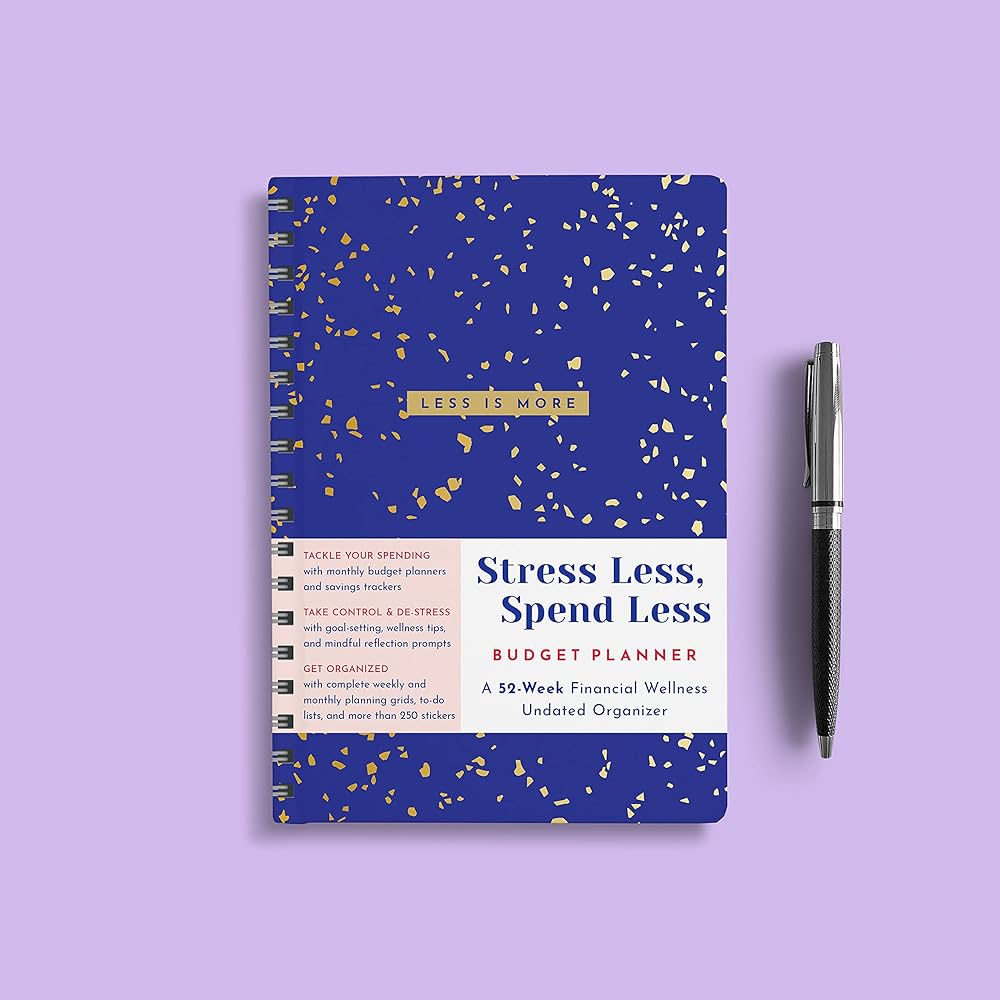
Ever notice how money disappears faster when you don’t track it? One day you feel fine, the next day your account says “$42.18” and you have no clue why. A monthly budget planner template fixes that problem fast.
I like monthly planners because they match real life. Bills show up monthly. Paychecks usually land monthly or bi-weekly. Life just fits better this way.
Here’s why I always recommend monthly planning:
- You see the full picture of income vs. expenses
- You stop overspending accidentally (aka “Where did my money go?”)
- You plan ahead instead of reacting later
- You feel calmer knowing bills already have a job
IMO, weekly planners feel too short-term, and yearly budgets feel overwhelming. Monthly hits the sweet spot.
What Makes a Good Monthly Budget Planner Template?
Not all templates deserve your time. Some look pretty but fall apart in real life. I’ve tested plenty, and trust me—simplicity wins every time.
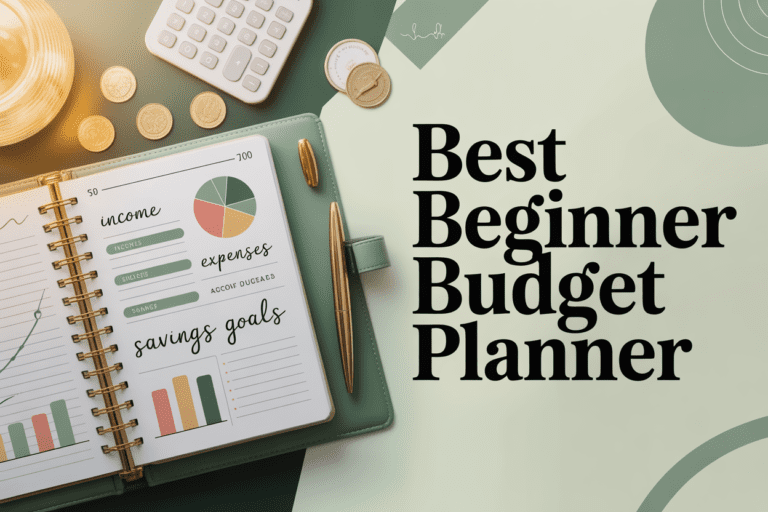
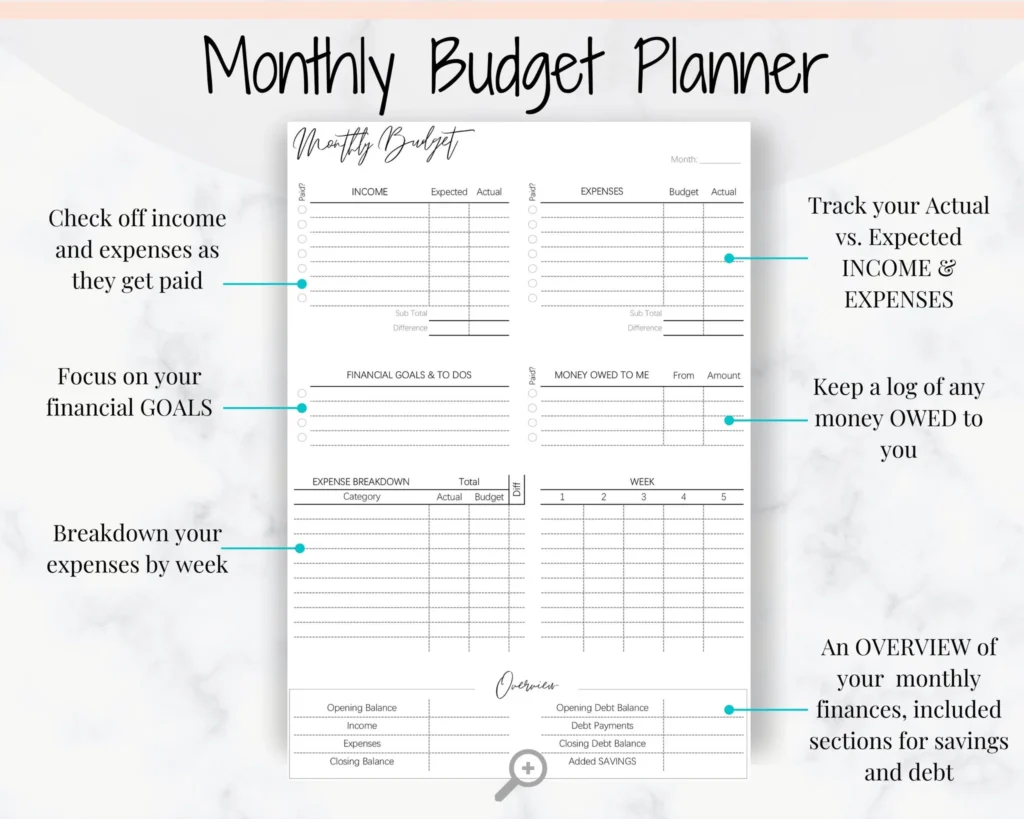
A solid monthly budget planner template includes:
- Monthly income section (paychecks, side hustles, bonuses)
- Fixed expenses (rent, utilities, insurance, subscriptions)
- Variable expenses (groceries, gas, eating out)
- Savings categories (emergency fund, sinking funds)
- Notes or reflection space (because life happens)
If a planner needs a 20-minute tutorial, I already feel tired. A good one feels obvious the moment you open it.
How I Personally Use a Monthly Budget Planner (No Perfection Required)
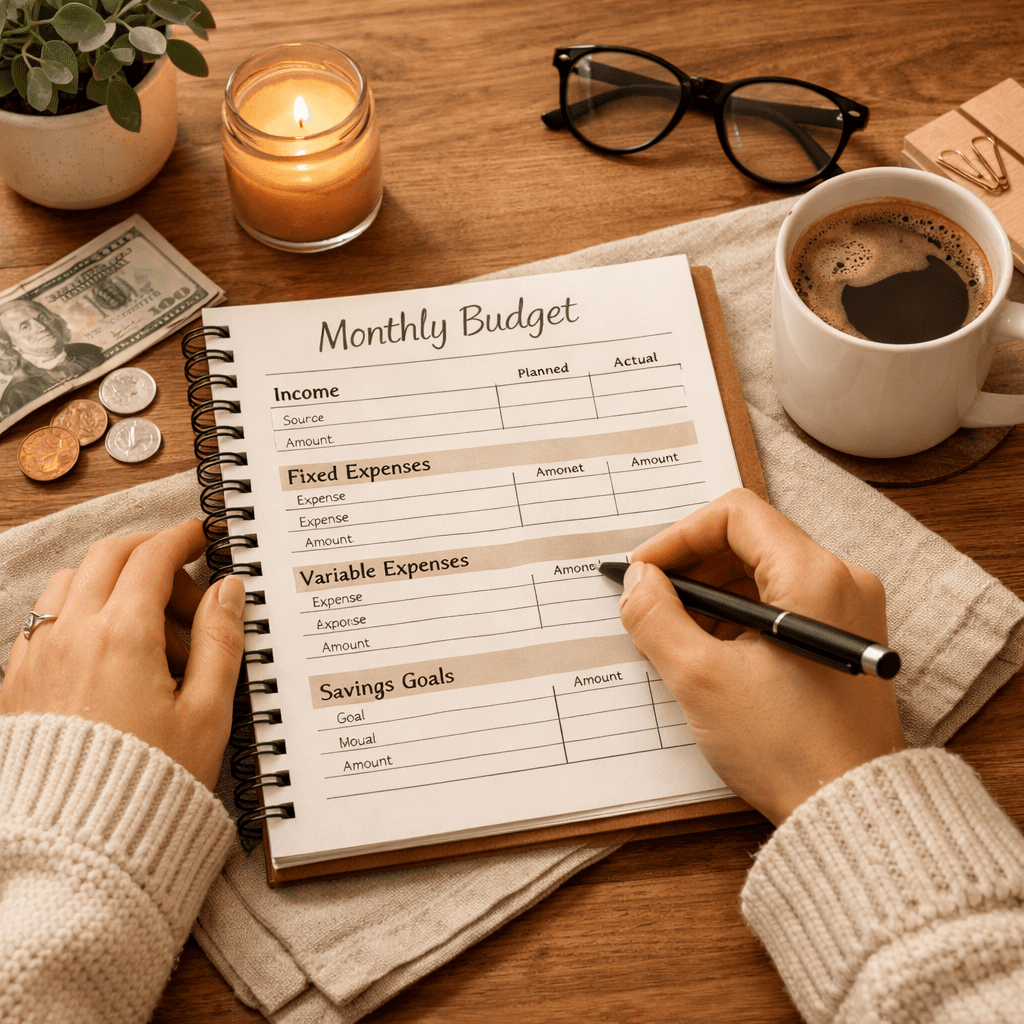
Let me be honest—I don’t budget like a robot. I budget like a human who sometimes buys coffee even when I planned not to. 🙂
Here’s my exact flow:
- I write down expected income first.
- I list must-pay bills next (rent always gets priority).
- I estimate flexible spending like groceries and fun money.
- I assign savings last—but I always assign something.
I check my planner once a week. That’s it. No daily obsession. No guilt spiral.
Fixed Expenses vs Variable Expenses (This Matters More Than You Think)
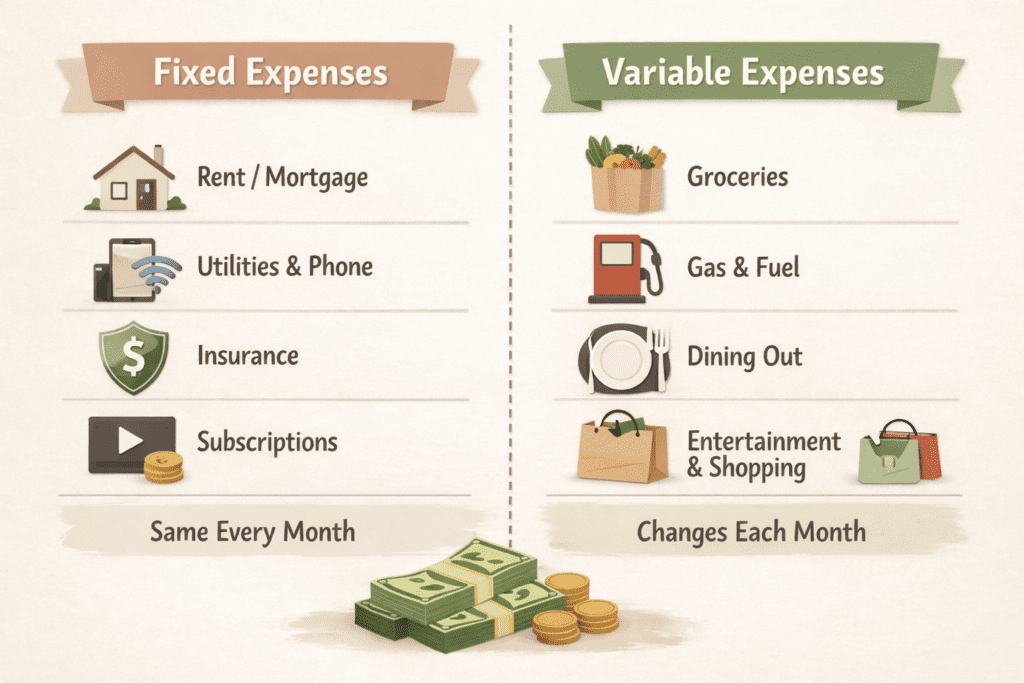
A lot of people mess this part up, so let’s clear it up.
Fixed expenses usually include:
- Rent or mortgage
- Internet and phone
- Insurance
- Subscriptions (Netflix, Spotify, etc.)
Variable expenses usually include:
- Groceries
- Gas
- Dining out
- Shopping
- Entertainment
When you separate these clearly, budgeting feels way less stressful. Fixed costs stay predictable. Variable costs give you flexibility. That combo keeps your sanity intact.
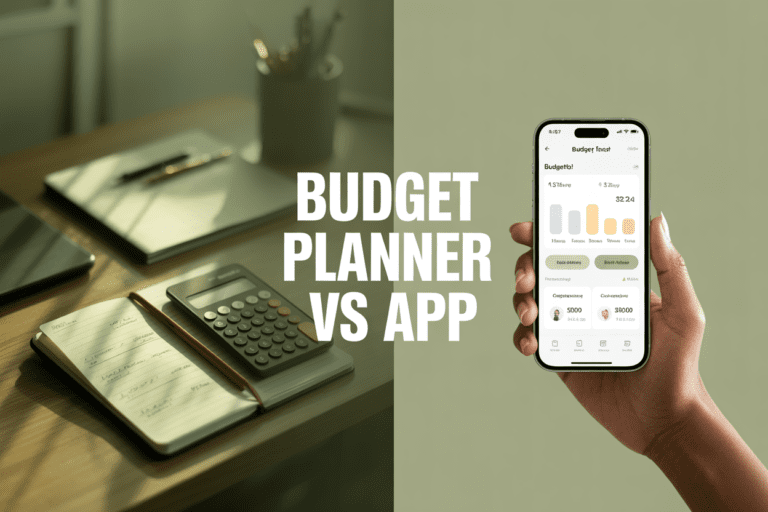
Monthly Budget Planner Template vs Budgeting Apps
People always ask me this: “Why not just use an app?” Fair question.
Here’s my honest take.
Budgeting apps:
- Sync automatically
- Track spending passively
- Sometimes feel overwhelming
- Can disconnect you emotionally from money
Printable monthly budget planner template:
- Forces intentional planning
- Makes spending feel real
- Works offline
- Gives you full control
FYI, I’ve used apps and still came back to printables. Writing numbers down makes me think before spending. That’s powerful.
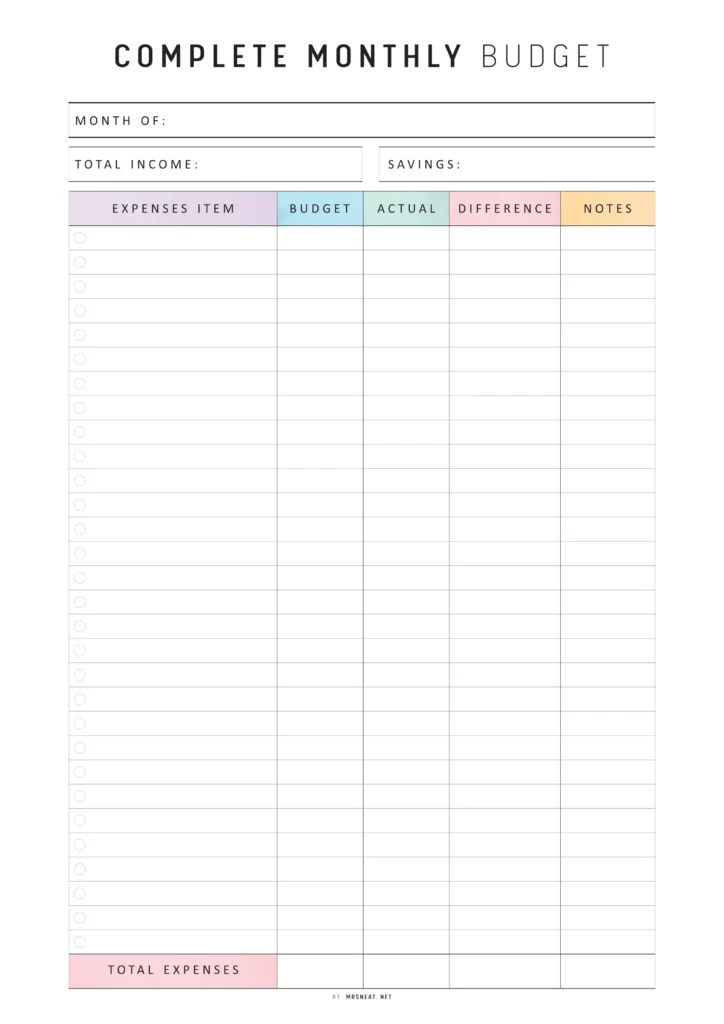
Who Should Use a Monthly Budget Planner Template?
Short answer? Almost everyone.
But it works especially well if you:
- Feel overwhelmed by money
- Want a clear plan for every dollar
- Prefer paper or printable systems
- Hate complicated finance tools
- Want to start budgeting today, not next month
If you want control without complexity, this tool fits perfectly.
How to Set Up Your Monthly Budget Planner (Step-by-Step)
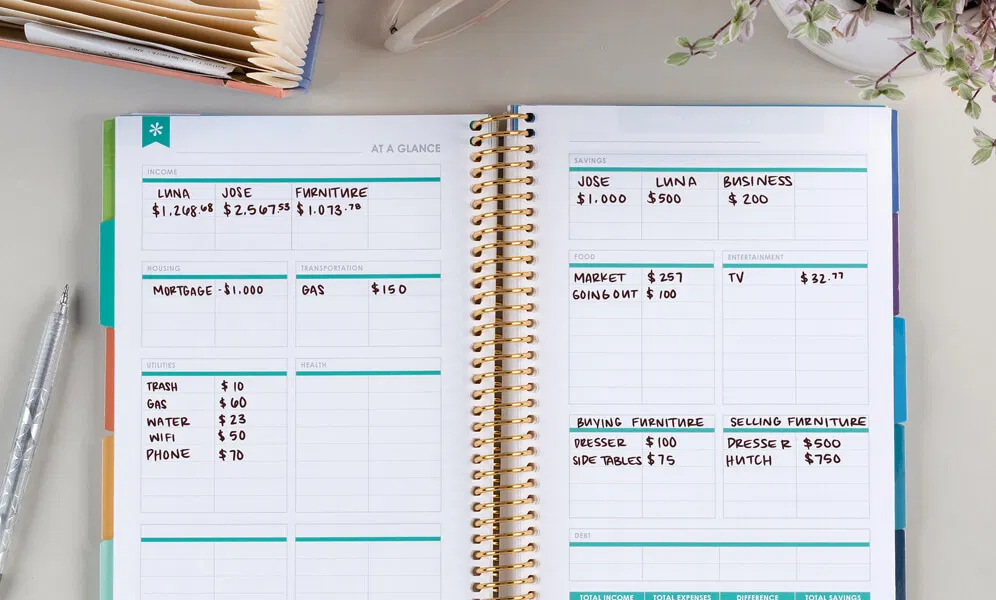
Let’s keep this simple and realistic.
Step 1: Write down your total monthly income
Include:
- Salary (after tax)
- Side hustle income
- Any predictable extra money
Be conservative here. I always underestimate slightly just to stay safe.
Step 2: List fixed expenses first
These get paid no matter what:
- Rent
- Utilities
- Insurance
- Minimum debt payments
This step gives instant clarity.
Step 3: Plan variable spending
Estimate amounts for:
- Groceries
- Gas
- Fun money
- Personal spending
Don’t starve your budget. Unrealistic numbers always fail.
Step 4: Assign savings
Even $25 counts. Seriously.
I like splitting savings into:
- Emergency fund
- Short-term goals
- Long-term goals
Progress beats perfection every single time.
Common Budgeting Mistakes (Yes, I’ve Made Them Too)
Budgeting sounds easy until real life shows up.
Watch out for these traps:
- Forgetting irregular expenses
- Setting unrealistically low spending limits
- Ignoring small purchases (they add up fast)
- Quitting after one “bad” month
One messy month doesn’t mean failure. It means learning. Ever wondered why most budgets fail? People expect perfection. Don’t.
How This Monthly Budget Planner Template Helps You Save More
Here’s the sneaky part—budgeting doesn’t restrict you. It actually gives freedom.
When I started using a monthly budget planner template, I:
- Stopped impulse spending
- Saved more without feeling deprived
- Felt confident saying “yes” and “no”
- Slept better knowing bills were handled
Money clarity feels addictive in the best way.
Printable vs Digital Monthly Budget Planner Templates
Both work. The right choice depends on your personality.
Choose printable if you:
- Like writing things down
- Want fewer distractions
- Enjoy a tactile system
- Stick better with visuals
Choose digital if you:
- Prefer spreadsheets
- Want auto-calculations
- Track everything online
I still lean printable because it keeps me focused. No notifications. No scrolling. Just me and the plan.
How Often Should You Update Your Monthly Budget Planner?
You don’t need to babysit it.
I recommend:
- Once at the start of the month
- One quick weekly check-in
- One end-of-month review
That’s maybe 20 minutes total. Less time than scrolling social media, and way more rewarding :/
Making Budgeting Feel Less Boring (Yes, It’s Possible)
Let’s admit it—budgeting doesn’t scream “fun.”
Here’s how I keep it tolerable:
- I budget with coffee ☕
- I play background music
- I track progress visually
- I celebrate small wins
When budgeting feels personal, it sticks.
Why Free Monthly Budget Planner Templates Are Perfect for Beginners
You don’t need expensive tools to manage money well. Free templates let you:
- Experiment without pressure
- Learn what works for you
- Adjust categories easily
- Build confidence over time
Once you master the basics, everything else feels easier.
Final Thoughts: Start Simple and Stay Consistent
A monthly budget planner template won’t magically make you rich—but it will make you intentional. And intentional money habits change everything.
Start small. Track honestly. Adjust often. Laugh at mistakes and keep going.
If you’ve ever thought, “I should really get my money together,” this is your sign. Download the template, grab a pen, and give your dollars a plan. You’ve got this. 💪