Monthly Budget Checklist to Stay on Track Every Month
Money doesn’t grow on trees (unless you’re a very lucky botanist), so let’s talk about the next best thing: a monthly budget checklist that actually works. Forget those overly complicated spreadsheets or vague advice like “just spend less.” We’re keeping this simple, actionable, and—dare I say—even a little fun.
1. Start with a Reality Check (AKA, Face Your Spending Demons)
Before you can budget, you need to know where your money’s *actually* going. And no, “mostly on necessities” doesn’t count when your Uber Eats history says otherwise.
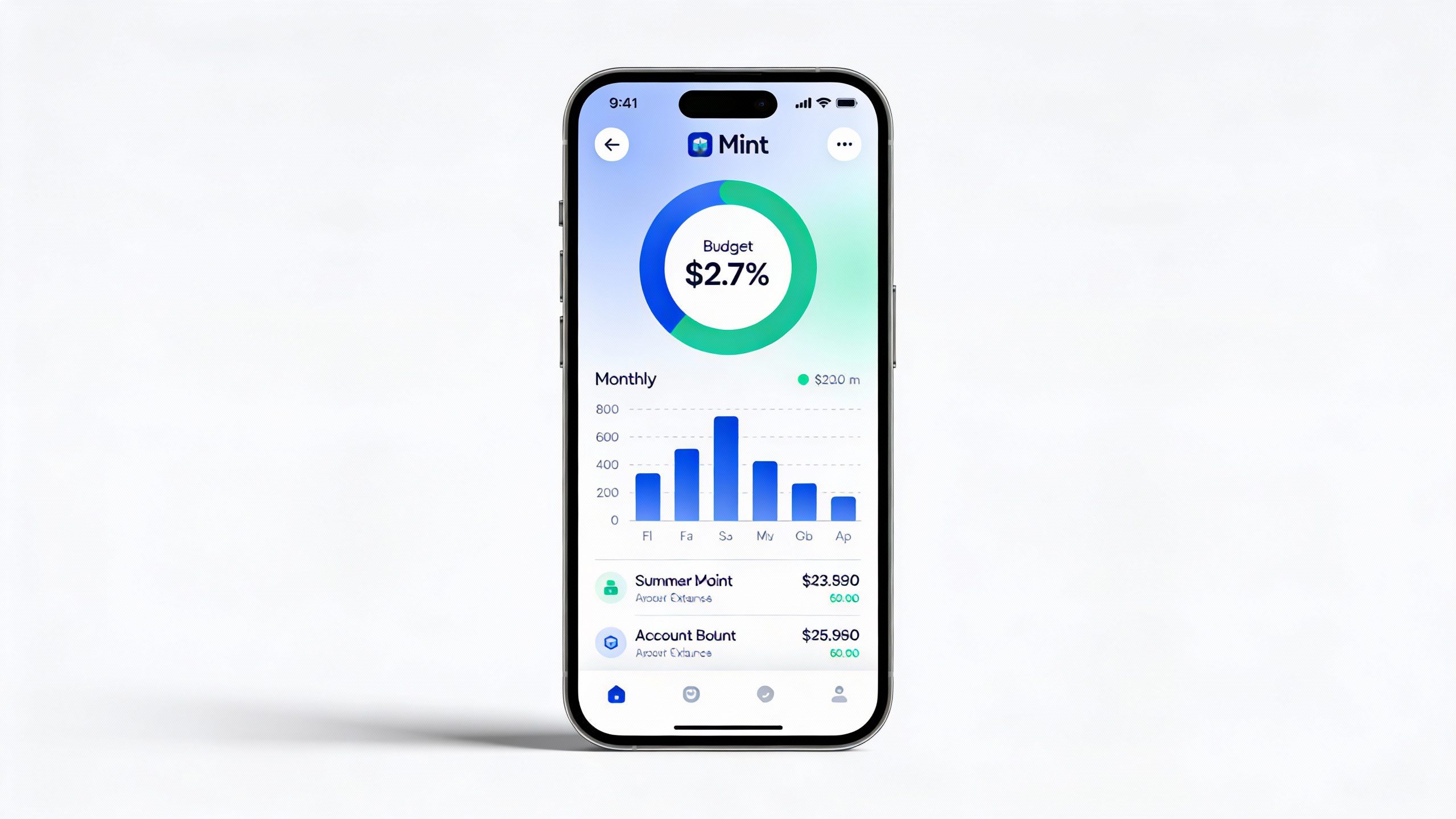
Step 1: Track every single expense for a month. Yes, even that $3 coffee. Apps like Mint or YNAB make this easy, or go old-school with a notebook (bonus: you’ll feel like a detective).
Step 2: Categorize your spending. Common buckets include:
- Fixed expenses (rent, utilities, subscriptions)
- Variable necessities (groceries, gas)
- Fun money (dining out, entertainment)
- Financial goals (savings, debt payments)
Pro Tip: The “Oh Crap” Moment
When you see how much you’re *really* spending on takeout, you’ll have what I call the “Oh Crap” moment. Embrace it. That’s the first step to fixing things.
2. Give Every Dollar a Job (Even the Rebellious Ones)
Budgeting isn’t about restriction—it’s about intention. Assign every dollar a purpose before it vanishes into the abyss of “miscellaneous.”
Here’s how:
- List your monthly income (after taxes).
- Subtract fixed expenses first (rent, bills, etc.).
- Allocate money to savings/debt.
- Distribute what’s left for variable spending.
The 50/30/20 Rule (For the Lazy Budgeter)
If you hate micromanaging, try this:
- 50% on needs
- 30% on wants
- 20% on savings/debt
It’s not perfect, but it’s a solid starting point.
3. Slay the Subscription Dragons

Nothing bleeds your budget dry faster than forgotten subscriptions. That $12/month app you haven’t opened since 2021? Cancel it.
How to purge:
- Check your bank statements for recurring charges.
- Use apps like Rocket Money to identify sneaky subscriptions.
- Ask yourself: “Would I miss this if it disappeared tomorrow?”
FYI, the average person wastes $200+/year on unused subscriptions. That’s a weekend getaway you’re missing out on.
4. Build a “Stuff Happens” Fund

Life loves throwing curveballs—car repairs, medical bills, your cat’s sudden obsession with chewing phone chargers. Without an emergency fund, you’re one mishap away from credit card debt.
Goal: Save 3–6 months’ worth of expenses. Start small—even $500 cushions most minor disasters.
Where to Stash Your Emergency Cash
- High-yield savings account: Earn interest while it sits.
- Separate from checking: Out of sight, out of mind (and out of spending temptation).
5. Automate Like You Mean It
Humans are terrible at remembering things. Set up automation so your budget runs on autopilot:
- Auto-transfer to savings on payday.
- Auto-pay bills to avoid late fees.
- Auto-invest if you’re feeling fancy.
Your future self will thank you when you’re not scrambling to pay rent because you “forgot.”
6. Review and Adjust (Because Life Isn’t Static)
Budgets aren’t set in stone. Got a raise? Awesome—adjust your savings. Unexpected vet bill? Time to shuffle things around.
Monthly check-in steps:
- Compare actual spending to your budget.
- Celebrate wins (no, really—treat yourself to a budget-friendly reward).
- Tweak categories that aren’t working.
FAQ: Budgeting for the Overwhelmed
How much should I save each month?
Aim for 20% of your income, but start with whatever you can. Even $50/month adds up.
What if I have irregular income?
Budget based on your *lowest* expected monthly income. Surplus goes straight to savings or debt.
Is it okay to have a “fun” category?
Absolutely. Deprivation leads to binge-spending. Just keep it reasonable.
How do I stop impulse buys?
Implement a 24-hour rule: Sleep on non-essential purchases. Most “must-haves” lose their appeal by morning.
Should I pay off debt or save first?
Do both if possible. Prioritize high-interest debt, but keep a mini emergency fund ($1k) to avoid more debt.
What’s the easiest budgeting app?
IMO, Mint for beginners, YNAB for hands-on planners, and Rocket Money for subscription haters.
Wrapping Up: Budget Like a Boss
Budgeting isn’t about perfection—it’s about progress. Miss a month? No biggie. Overspend on tacos? Just adjust next time. The goal is to feel in control, not chained to a spreadsheet.
Now go forth and conquer your finances. And maybe cut back on those lattes. (Kidding. Mostly.)