
Easy Money Saving Tips for Beginners
Let me guess—you want to save money, but every “expert” tip sounds like it was written by someone who’s never paid rent or bought groceries lately. Same. I’ve been there, staring at my bank app like, Where did my money even go? 😅
If you’re new to saving, this guide will feel like a chat with a friend who’s already messed up a few times and learned the hard way. No guilt. No spreadsheets that make your eyes glaze over. Just practical money saving tips for beginners that actually work in real life.
Why Saving Money Feels So Hard at First (And Why That’s Normal)
Saving money sounds simple in theory. Spend less than you earn. Boom, done.
But real life loves chaos.
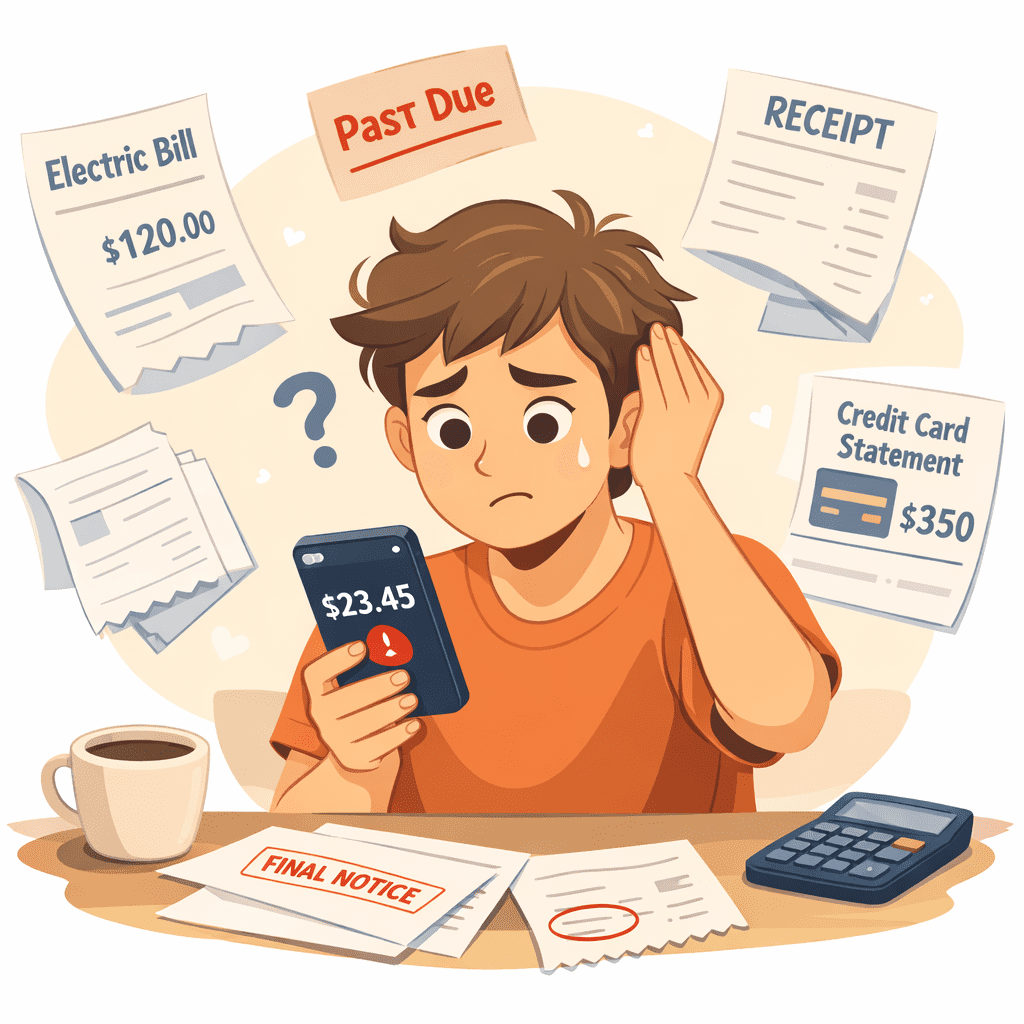
Bills show up uninvited. Coffee shops whisper your name. Amazon offers “limited-time deals” that somehow last forever. Ever wondered why saving feels harder than it should?
Here’s the truth: you don’t need discipline—you need systems. Once I figured that out, saving stopped feeling like punishment and started feeling… kind of empowering.
Start Small or Burn Out Fast

Forget Big Goals (For Now)
I know, I know. Everyone says, “Save $10,000!” Cool goal. Also terrifying.
When I started, even saving $20 a week felt like a win.
Small wins build momentum, and momentum beats motivation every time.
Try this instead:
- Save $1–$5 per day
- Round up purchases and save the difference
- Set a goal so small it feels almost silly
IMO, consistency matters way more than the amount.
Track Your Spending (Without Losing Your Mind)
Awareness Changes Everything
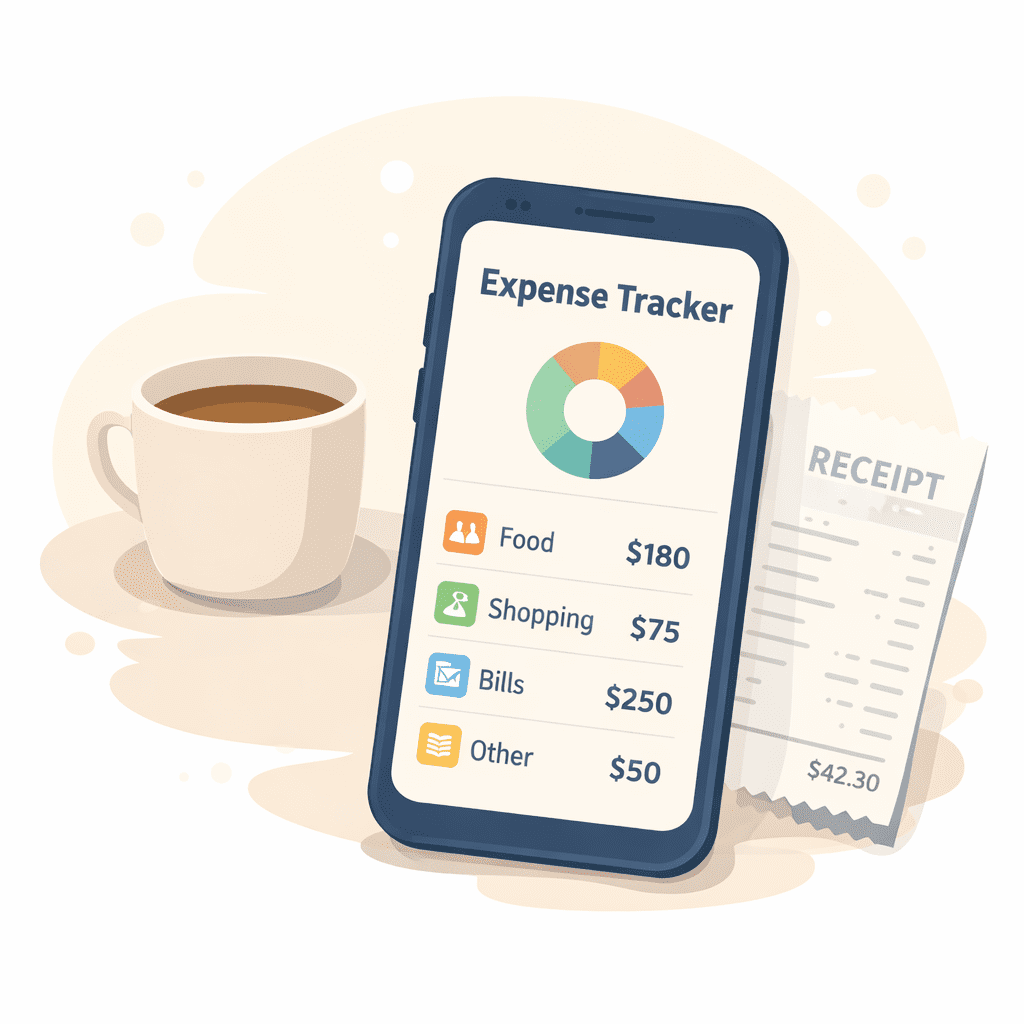
Before you save money, you need to know where it’s leaking. And yes, it is leaking.
I once realized I spent over $180 a month on takeout. Not proud, but also… enlightening. Ever checked your numbers and felt personally attacked?
Start simple:
- Check your last 30 days of bank statements
- Highlight recurring expenses
- Notice patterns, not perfection
Awareness alone often cuts spending by 10–15%. No budgeting wizardry required.
Pay Yourself First (Yes, Before Anything Else)
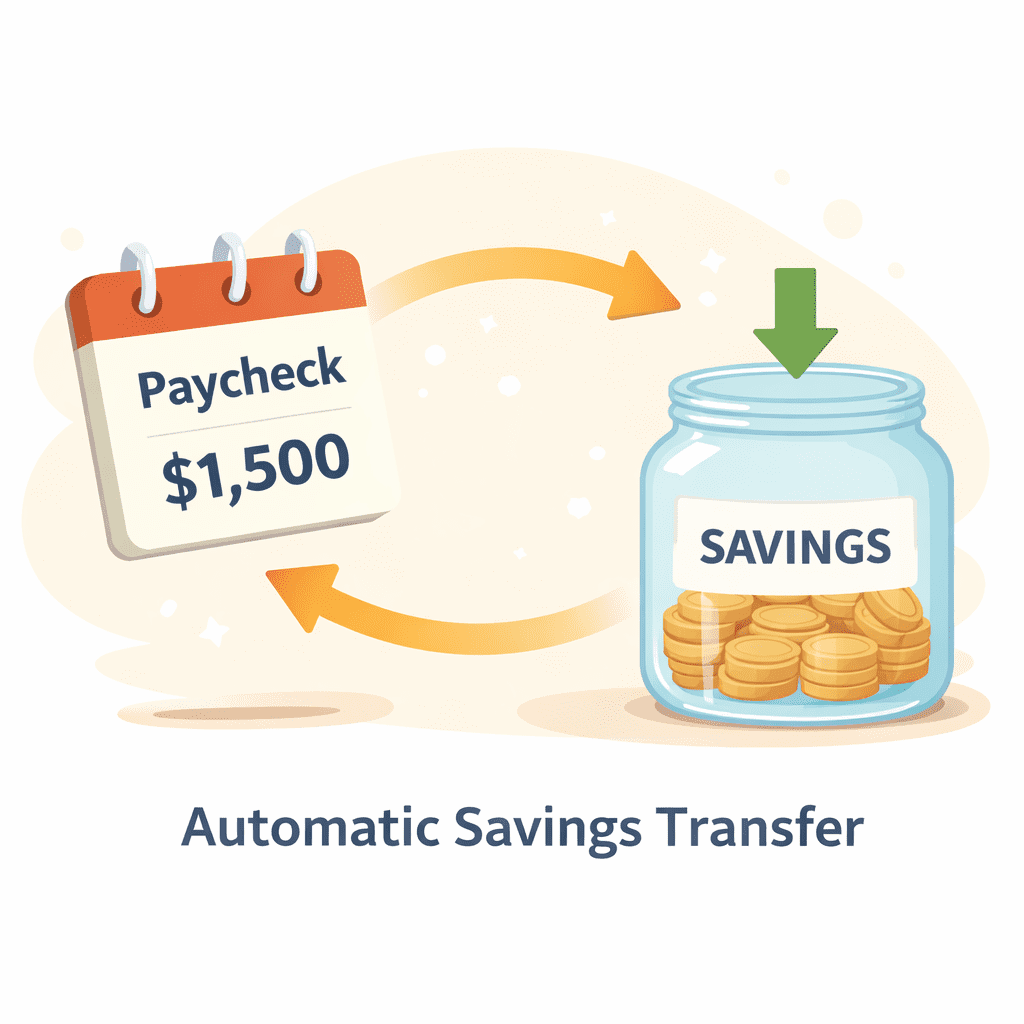
This tip changed the game for me.
When I waited to save “whatever was left,” I saved nothing. Shocking, right?
Now, I move money to savings the moment my paycheck hits.
Here’s how to do it:
- Automatically transfer 10–20% of your income
- Treat savings like a non-negotiable bill
- Adjust later if needed, not before
FYI, you won’t miss money you never see.
Create One Simple Budget You’ll Actually Use
Keep It Stupid Simple
If your budget needs a tutorial, it’s too complicated. Period.
I like the 50/30/20 rule:
- 50% needs (rent, groceries, bills)
- 30% wants (fun stuff, eating out)
- 20% savings
Don’t hit these numbers perfectly. Just aim in that direction. Saving money isn’t a math exam.
Cut Expenses Without Feeling Deprived

Cancel Stuff You Don’t Even Use
Be honest—when was the last time you opened all those subscriptions?
I canceled three in one night and instantly saved $47 a month. That’s $564 a year for literally doing nothing.
Check for:
- Streaming services you forgot about
- Apps with “free trials” you never canceled
- Memberships you swear you’ll use “soon”
Cutting unused expenses feels painless and powerful.
Negotiate Like a Normal Human
You don’t need superpowers to negotiate bills. You just need to ask.
Call your:
- Internet provider
- Phone company
- Insurance company
Say this: “I’m thinking about switching. What can you do for me?”
Worst case? Nothing changes. Best case? You save real money.
Master Grocery Shopping Without Eating Ramen Forever
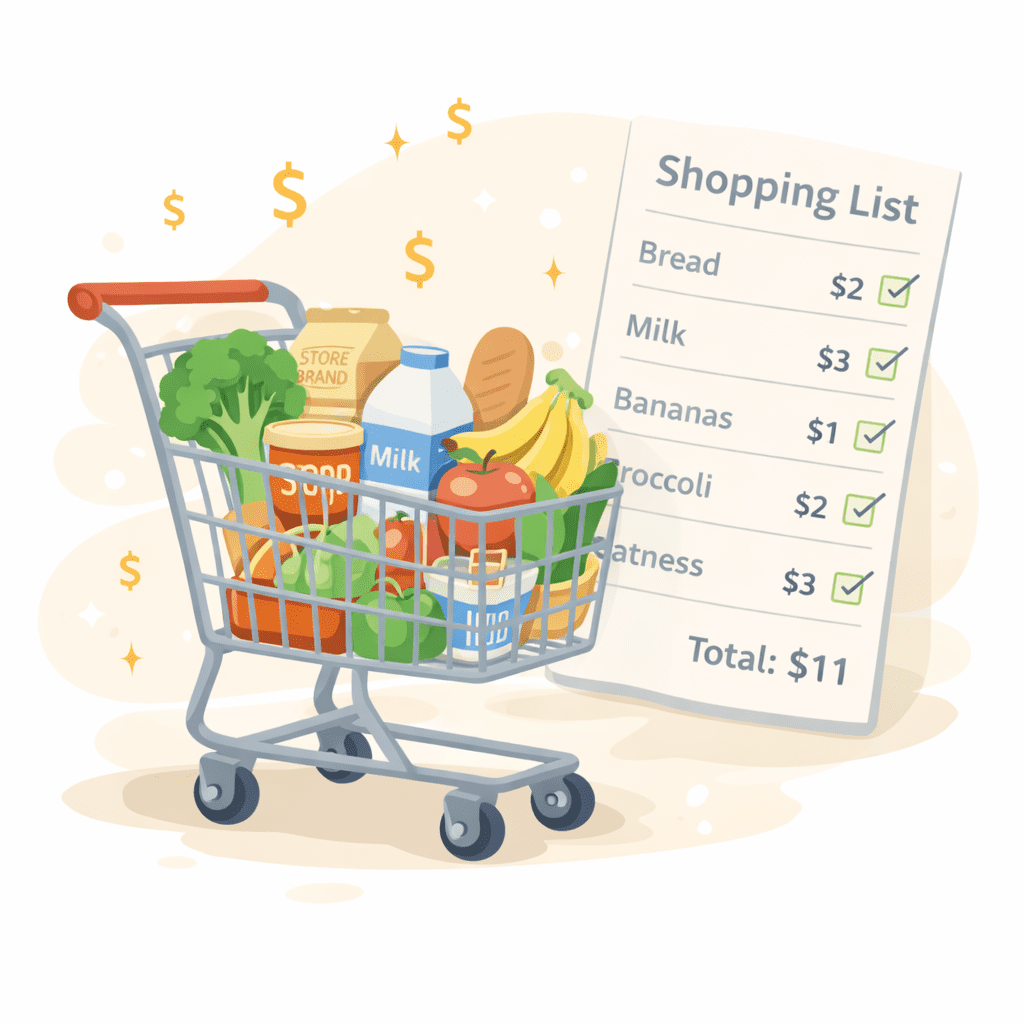
Food eats a big chunk of your budget, especially in the US. But you don’t need extreme couponing to save.
What works for me:
- Plan meals for 3–4 days, not the whole week
- Shop with a list (seriously)
- Never shop hungry—ever
Store brands often cost 20–30% less, and taste almost identical. Your taste buds won’t notice, I promise.
Make Saving Automatic and Boring (That’s the Goal)
Saving works best when it feels boring. Excitement leads to impulse decisions :/
Set up:
- Automatic transfers to savings
- Separate savings accounts for different goals
- Alerts for low balances (trust me)
When saving runs in the background, you stop fighting yourself.
Build an Emergency Fund Before Anything Fancy
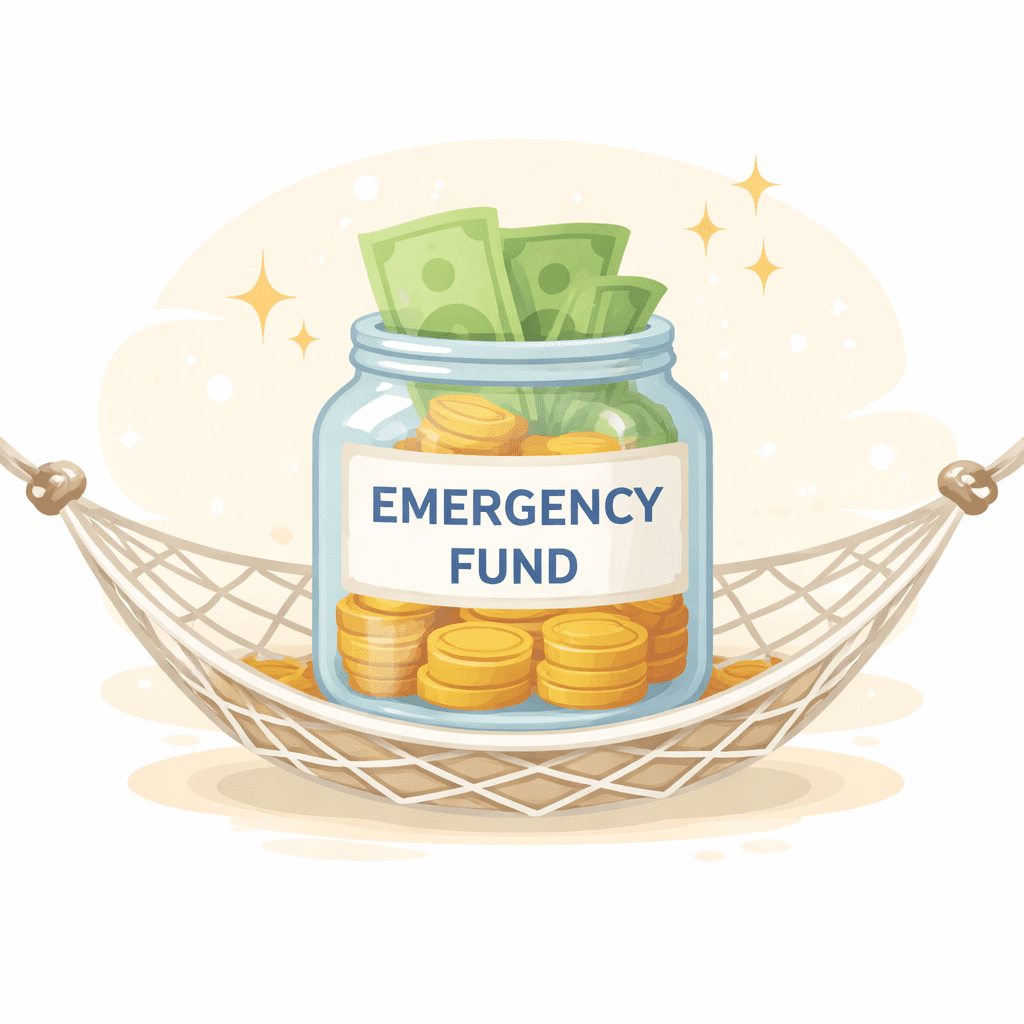
This Is Non-Negotiable
Before investing. Before side hustles. Before crypto dreams.
An emergency fund keeps you from going into debt when life throws curveballs—which it will.
Start with:
- $500–$1,000 mini emergency fund
- Then build up to 3–6 months of expenses
This fund saved me during a surprise car repair, and I slept better knowing it existed.
Learn to Delay Gratification (Without Feeling Miserable)

Impulse buying kills savings faster than anything else.
My rule: wait 24 hours before non-essential purchases.
About 70% of the time, I forget about it completely. Funny how that works.
Ask yourself:
- Do I really want this?
- Will I care in a week?
- Does Future Me hate this purchase?
Future You usually has strong opinions.
Use Cash for Your Problem Categories
Some categories just refuse to behave. For me, it was eating out.
Using cash:
- Creates instant awareness
- Sets a hard limit
- Feels more “real” than swiping
Once the envelope empties, the fun stops. Harsh but effective.
Increase Income (Even a Little Helps)
Saving has limits. Income doesn’t.
You don’t need a massive career shift. Start small:
- Freelance a skill you already have
- Sell stuff you don’t use
- Ask for a raise (awkward but worth it)
Even an extra $200 a month changes everything when you save it intentionally.
Celebrate Progress (Seriously)
Most beginners quit because saving feels invisible.
So celebrate:
- Your first $100 saved
- Your first month staying on budget
- Your first canceled subscription
Progress deserves recognition. Otherwise, what’s the point?
Common Money Saving Mistakes Beginners Make
Let’s save you some frustration.
Avoid these traps:
- Trying to be perfect
- Cutting all fun spending
- Comparing yourself to others
- Giving up after one bad month
Messy progress still counts. Always.
Final Thoughts: Saving Money Is a Skill, Not a Personality Trait

If you take one thing from this guide, let it be this: anyone can learn to save. You don’t need a finance degree or monk-level discipline.
Start small. Stay consistent. Forgive mistakes quickly.
Those simple habits stack up faster than you expect.
So, what’s your first move—tracking spending, automating savings, or canceling that mystery subscription? Pick one and start today. Future You will absolutely thank you for it 🙂