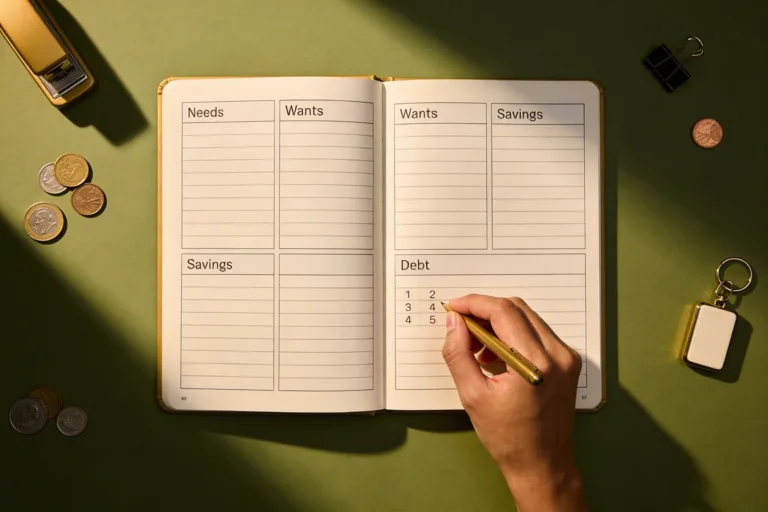

Money Mindset Habits to Change How You Handle Money
Money confidence isn’t about how much you have—it’s about how you think about what you have. If your brain defaults to panic every time you check your bank balance or splurge on coffee, your mindset needs a glow-up. Let’s fix that.
Stop Treating Money Like a Mystery Villain
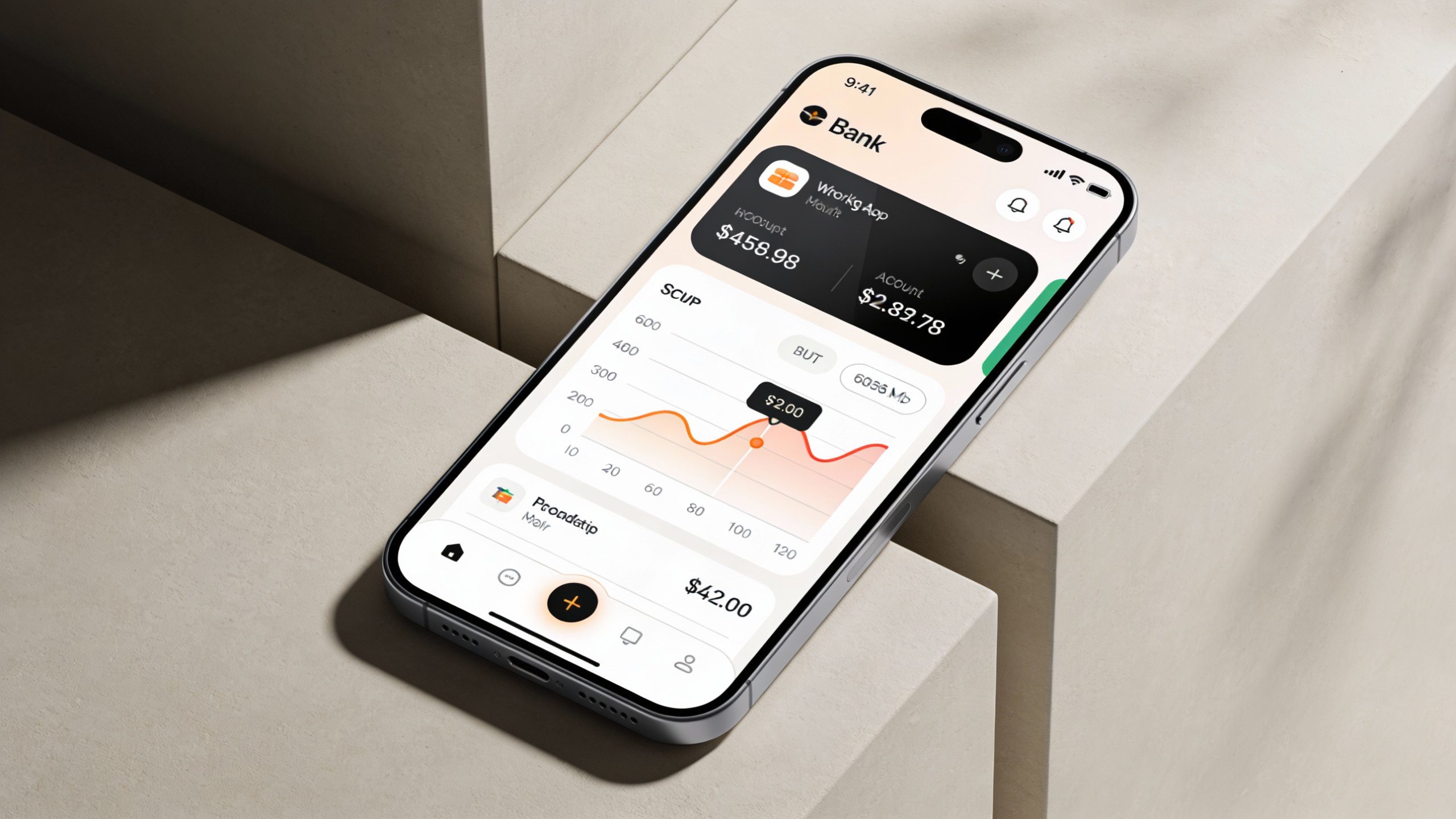
Money isn’t some shadowy figure lurking in a dark alley. Yet so many of us treat it like a villain we’d rather avoid. Newsflash: ignoring your finances won’t make them better. The first habit of confident money thinkers? Demystify the numbers.
How to Actually Look at Your Bank Account Without Sweating
- Schedule a weekly “money date” (yes, with yourself). Open your banking app, review transactions, and note where things stand. No judgment—just observation.
- Name your emotions. If seeing your balance triggers anxiety, ask: “Is this fear based on reality or a story I’m telling myself?” Spoiler: It’s usually the latter.
- Celebrate tiny wins. Paid off $10 of debt? Transferred $20 to savings? That’s progress. High-five yourself.
Drop the “Broke Mentality” BS

Saying “I’m broke” might feel relatable, but your brain believes what you tell it. If you keep declaring bankruptcy over a latte, you’ll feel broke even when you’re not. Time to upgrade your self-talk.
Instead of:
- “I can’t afford this.” → Try: “I’m choosing to spend on [priority] instead.”
- “I’m terrible with money.” → Try: “I’m learning better habits every day.”
Pro tip: This isn’t toxic positivity—it’s retraining your brain to see money as a tool, not a tormentor.
Embrace “Good Enough” Budgeting

Perfect budgets fail. Why? Because life isn’t a spreadsheet. Confident money handlers know that consistency beats perfection every time.
The 80/20 Rule of Budgeting
Focus on the 20% of habits that deliver 80% of results:
- Automate savings (even $5/week counts).
- Track one spending category you tend to overspend on (looking at you, Uber Eats).
- Forgive yourself when you slip up. No guilt, just adjust.
FYI, “I’ll start next month” is the budget’s arch-nemesis. Start messy. Start now.
Get Comfortable With Spending (Yes, Really)

Wait—aren’t we supposed to be saving? Absolutely. But confidence comes from intentional spending, not deprivation. If you’ve budgeted for fun and still feel guilty buying concert tickets, you’re doing it wrong.
Try this: Allocate a “guilt-free” spending category. No justifying, no regret. Money is meant to be used, not hoarded like a dragon’s treasure.
Surround Yourself With Better Money Vibes
If your group chat’s motto is “rent is due and so are my bad decisions,” it’s time to level up your financial peer group. IRL or online, find people who:
- Talk about money openly (without flexing or complaining).
- Share useful tips (“Here’s how I negotiated my bill”) instead of fatalism (“We’ll never afford houses anyway”).
Confidence is contagious. Hang around people who have it.
FAQ: Quick Confidence Boosters
How do I stop feeling ashamed about my financial past?
Everyone has money regrets—yes, even that person on Instagram with the “perfect” portfolio. Forgive yourself, focus on today’s choices, and remember: hindsight is 20/20, but you were doing your best with what you knew then.
What if I don’t make enough to feel confident?
Confidence isn’t about the amount—it’s about control. Even on a small income, knowing exactly where your money goes (“$5 to savings, $10 to debt”) builds way more confidence than vaguely hoping things work out.
How often should I check my finances?
Daily is overkill (unless you’re fixing a specific habit). Weekly is ideal for most people. Monthly is too sparse—you’ll miss leaks. Find your Goldilocks rhythm.
Is it okay to enjoy spending on non-essentials?
Uh, yes. Deprivation leads to binge-spending. Budget for fun so you don’t resent your financial plan. IMO, a life without occasional treats is a life poorly lived.
Confidence Is a Practice, Not a Perfect
You won’t wake up one day magically unshaken by money stress. But with these habits, you’ll build the kind of confidence that survives overdraft fees, surprise expenses, and even the occasional reckless Amazon purchase. Progress > perfection. Now go check your bank account—you’ve got this.