
Money Mindset for Beginners Explained
Let me guess. You’ve tried budgeting apps, watched YouTube finance gurus yell about compound interest, and maybe even downloaded a spreadsheet that scared you halfway through filling it out. 😅
If money still feels stressful, confusing, or weirdly emotional, you’re not broken. You just haven’t fixed the money mindset for beginners part yet.
I’ve been there—checking my bank balance like it’s a horror movie jump scare. Once I changed how I thought about money, everything else finally started clicking. And nope, that didn’t require becoming a finance wizard or giving up coffee.
Let’s talk about it like normal humans.
What “Money Mindset” Actually Means (No Woo-Woo Stuff)

Money mindset sounds fancy, but it’s honestly pretty simple.
Your money mindset is how you think, feel, and react to money—especially when things don’t go perfectly. It shapes how you spend, save, invest, and even how much you believe you deserve to earn.
Ever avoided checking your credit card bill?
Ever felt guilty buying something small but useful?
Ever thought, “I’m just bad with money”?
Yeah, that’s mindset talking.
Why Money Mindset for Beginners Matters So Much
Here’s the blunt truth:
You can’t out-budget a bad money mindset.
You can use the best tools in the world, but if you believe money always disappears or that you’ll “never get ahead,” your actions will quietly sabotage you. IMO, mindset comes before math.
A healthy money mindset helps you:
- Make decisions without panic
- Spend intentionally instead of emotionally
- Save without feeling deprived
- Stop treating money like a moral test
Sounds nice, right?
The Most Common Money Mindset Mistakes Beginners Make
Let’s call these out, because awareness changes everything.
1. Thinking You Need to Be “Good at Math”
FYI, personal finance barely involves math.
It mostly involves habits, emotions, and patience.
You don’t need calculus. You need clarity.
2. Believing More Money Will Fix Everything
More income helps, sure.
But if your mindset stays messy, you’ll just stress at a higher dollar amount. I’ve watched people earn $30k and feel calm, and others earn $150k and feel broke.
Money magnifies habits—it doesn’t fix them.
3. Treating Money Like a Source of Shame
This one hurts the most.
If you constantly think:
- “I messed up”
- “I should know better”
- “Everyone else has it together”
You’ll avoid money instead of managing it. And avoidance never helps.
How Your Thoughts Quietly Control Your Bank Account

This part surprised me when I first noticed it.
Your thoughts → your emotions → your actions → your results.
If you think:
“I suck with money”
You feel anxious.
You avoid planning.
You overspend or ignore bills.
Then you “prove” the thought right.
See the loop?
Common Beginner Money Thoughts That Cause Problems
- “Saving means I can’t enjoy life.”
- “I’ll start once I make more.”
- “One small purchase won’t matter.”
- “I’ll never catch up anyway.”
None of these thoughts are facts. They’re habits.
Building a Healthy Money Mindset for Beginners (Step by Step)
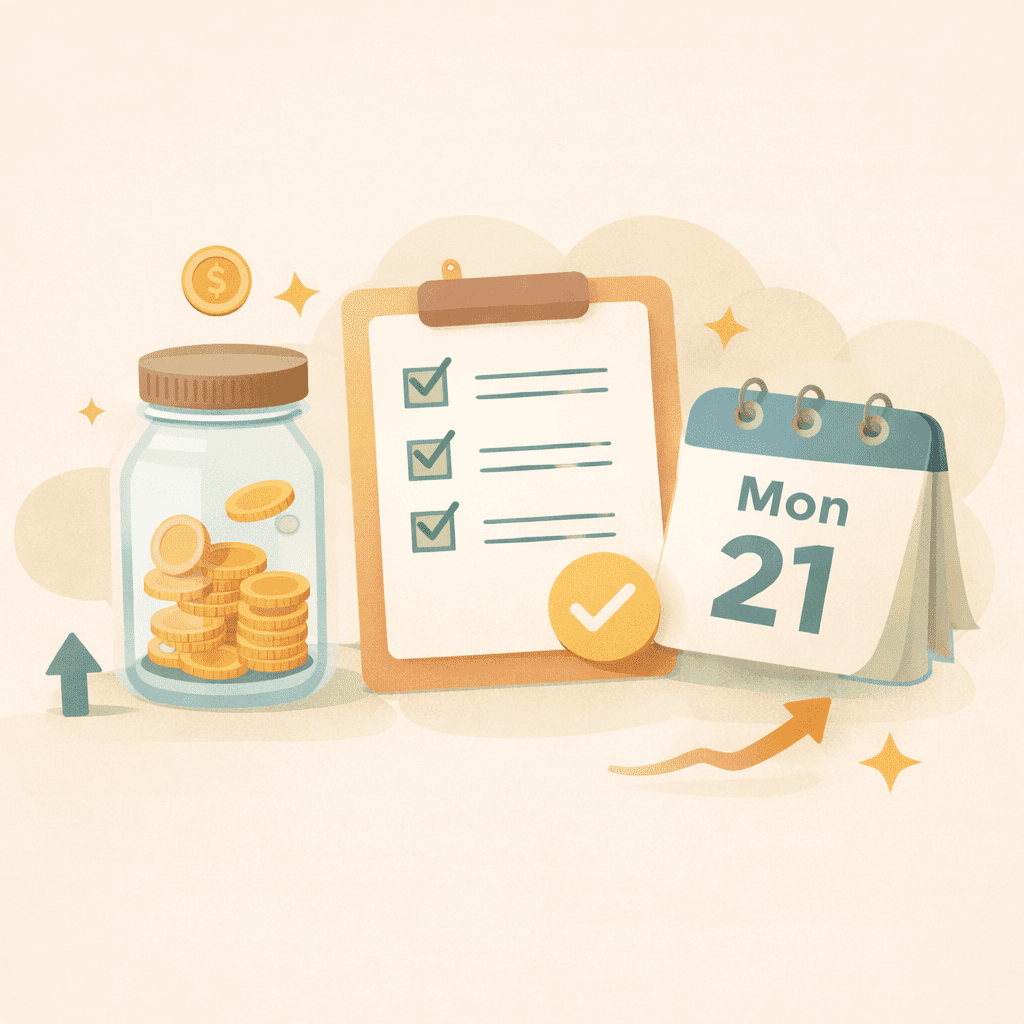
You don’t fix mindset overnight. You practice it.
Step 1: Separate Self-Worth From Net Worth
Say it with me:
Money is a tool, not a personality test.
Being broke doesn’t make you lazy.
Having debt doesn’t make you irresponsible.
Messing up doesn’t make you doomed.
Once I stopped attaching shame to money, I finally looked at my numbers without flinching. Huge win.
Step 2: Focus on Progress, Not Perfection
Perfectionism kills financial growth faster than impulse spending.
Instead of asking:
“Did I do this perfectly?”
Ask:
“Did I do this better than last month?”
Progress builds confidence. Confidence builds consistency.
Step 3: Start Small on Purpose
Beginners often want the “perfect” system.
Bad idea.
Try:
- Tracking spending for 7 days
- Saving $10–$25 per week
- Paying one extra bill early
Small wins retrain your brain to see money as manageable, not terrifying.
Reframing Money From Stressful to Neutral
Money doesn’t need to feel dramatic.
Old Thinking vs New Thinking
- Old: “Budgets restrict me.”
New: “Budgets tell my money where to go.” - Old: “Saving is boring.”
New: “Saving buys future freedom.” - Old: “I’m bad with money.”
New: “I’m learning how money works.”
Language matters more than people admit.
Simple Money Habits That Reinforce the Right Mindset

You don’t need motivation. You need systems.
Beginner-Friendly Habits That Actually Stick
- Weekly money check-ins (10 minutes, coffee included)
- Automatic savings transfers
- One “fun money” category to avoid guilt spending
- Tracking trends, not every penny
When money feels routine, it stops feeling scary.
Why Comparing Your Finances to Others Wrecks Your Mindset
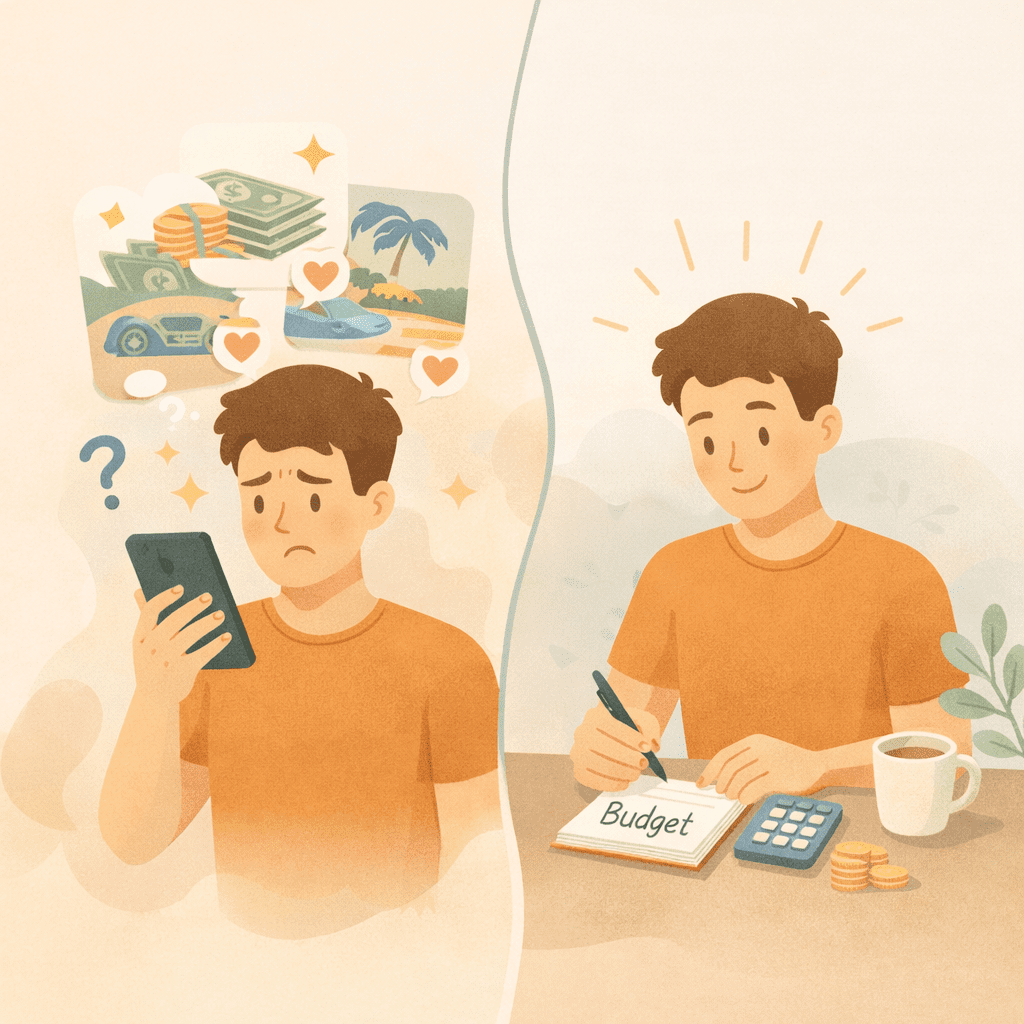
Let’s talk about the Instagram elephant in the room.
People only show:
- The new car
- The vacation
- The “six-figure” screenshot
They don’t show:
- Family help
- Credit card debt
- Anxiety at 2 a.m.
Comparing your chapter one to someone else’s chapter ten will mess with your head every time.
Focus on your numbers, your goals, your timeline.
Money Mindset and Spending: Guilt Is Not a Strategy
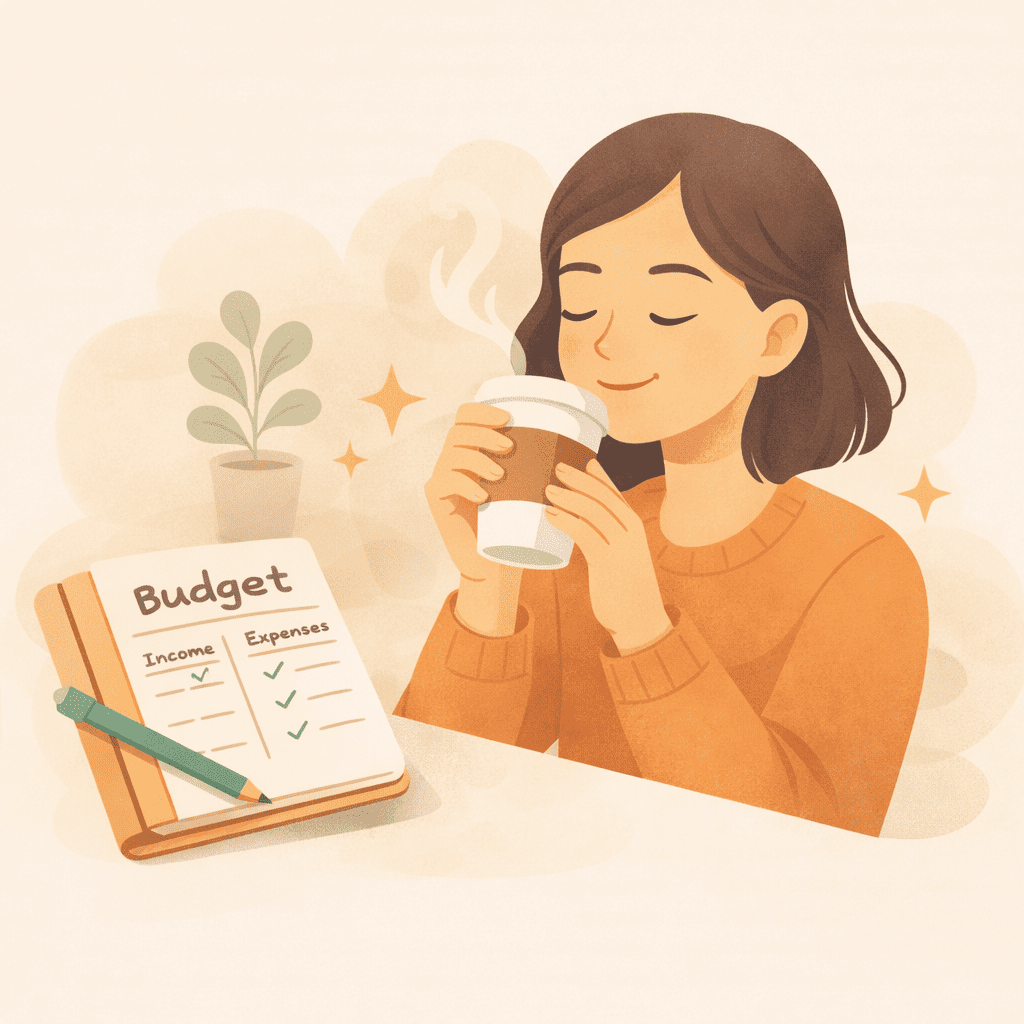
Ever bought something small and felt weird about it all day? Yeah, same.
Guilt Spending vs Intentional Spending
Guilt spending:
- Feels sneaky
- Happens emotionally
- Leaves regret
Intentional spending:
- Fits your values
- Feels calm
- Aligns with your plan
A strong money mindset lets you enjoy spending without spiraling afterward. That’s the goal.
Money Mindset and Saving: It’s Not About Deprivation
Saving doesn’t mean living like a monk.
It means:
- Choosing future peace over short-term impulse
- Buying fewer things that don’t matter
- Saying yes to things that do
When I reframed saving as “paying future me,” it stopped feeling like punishment. 🙂
How Long Does It Take to Fix Your Money Mindset?
Honest answer?
It depends on how often you practice.
Most beginners notice changes in 30–60 days once they:
- Track money consistently
- Stop self-shaming
- Focus on learning, not judging
Mindset shifts quietly. One day you realize checking your bank account doesn’t spike your heart rate anymore—and that’s a big deal.
Final Thoughts: Money Gets Easier When You Stop Fighting It

If you remember one thing, remember this:
Money mindset for beginners isn’t about thinking positive.
It’s about thinking clearly.
You don’t need to be perfect.
You don’t need to earn more immediately.
You just need to stop treating money like an enemy.
Start small. Stay consistent. Be kinder to yourself than your bank app ever will.
So, what’s the first tiny money habit you’re willing to try this week?