Money Habits That Changed My Finances
Let me guess—you earn decent money, but somehow it disappears faster than coffee at a Monday meeting ☕. I’ve been there. For years, I worked hard, paid bills, and still wondered why my bank balance looked mildly offended by my existence. Then I changed a few money habits that changed my finances, and yeah… things finally clicked.
I’m not talking about extreme coupon hoarding or eating ramen forever. I mean real, doable habits that quietly flipped my financial life around. If you’ve ever thought, “I should be better with money, but ugh,” this one’s for you.
I Started Tracking My Money (Without Hating My Life)

I Faced My Numbers Like an Adult (Painful but Worth It)
I used to avoid checking my bank account like it was an awkward ex. Then I sat down one night and tracked every dollar. Spoiler alert: ignorance did not equal bliss.
Tracking my money showed me exactly where my cash went every month. I didn’t judge myself; I just observed. That mindset shift alone changed everything.
Here’s what worked for me:
- I checked balances daily for awareness.
- I tracked spending weekly, not obsessively.
- I reviewed trends monthly to spot dumb habits.
Ever noticed how spending feels smaller when you don’t look? Yeah, that trick stops working fast.
I Gave Every Dollar a Job (Goodbye Financial Chaos)
Budgeting Finally Made Sense
Budgets used to feel restrictive. Then I realized a budget doesn’t control me—I control it. That mental flip saved me thousands.
I stopped asking, “How much can I spend?” and started asking, “What do I want my money to do?” Big difference.
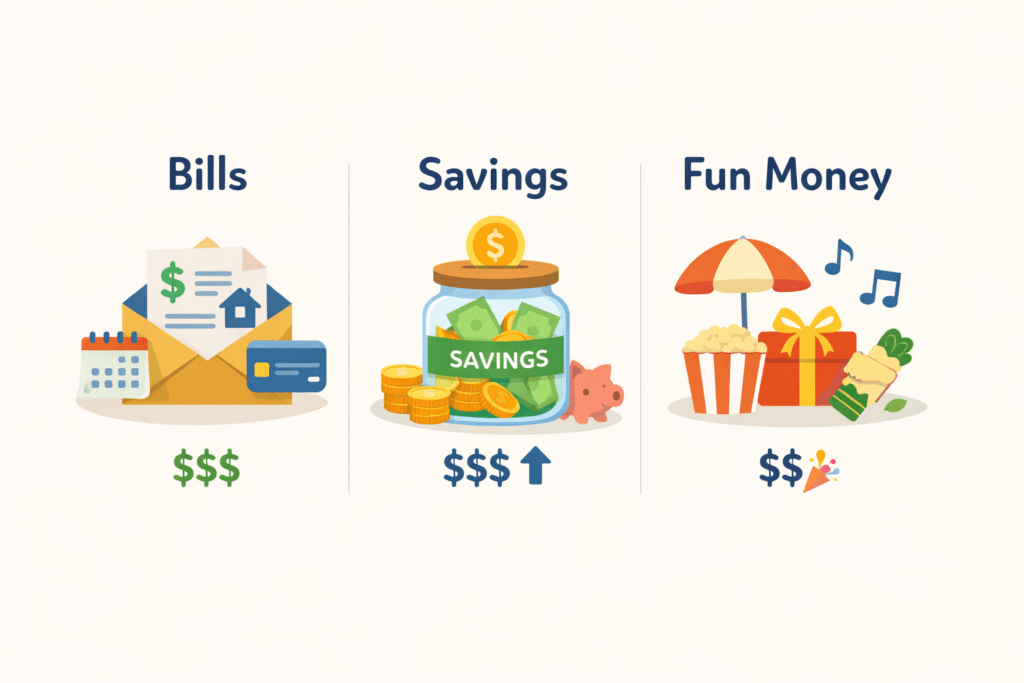
My simple budget categories:
- Fixed bills (rent, utilities, insurance)
- Variable spending (food, gas, fun money)
- Savings and investing
IMO, clarity beats complexity every single time.
I Automated My Savings Before I Could Spend It
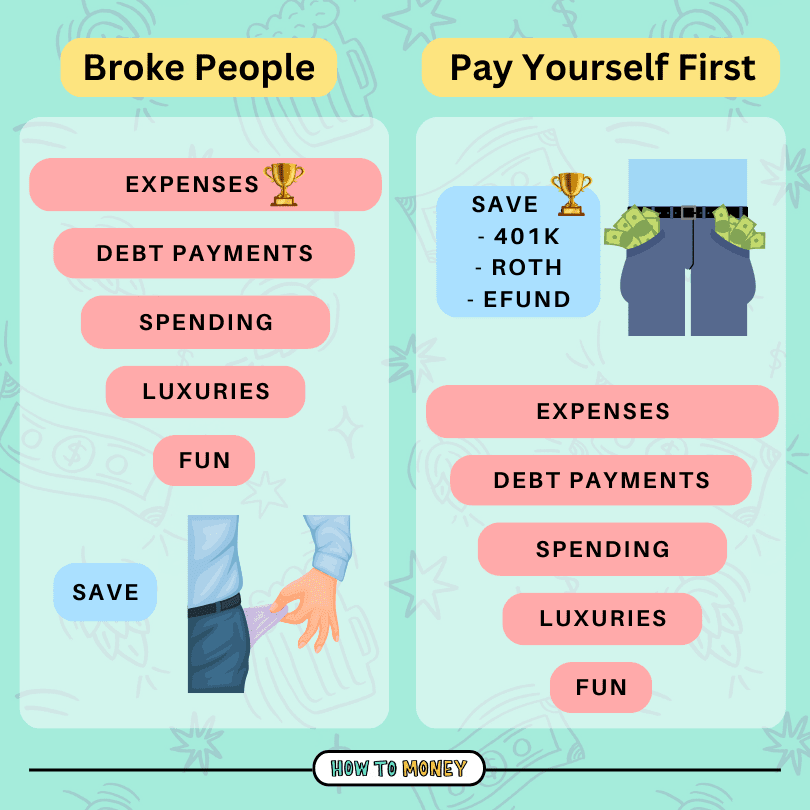
I Paid Myself First (No Willpower Required)
I used to save “whatever was left.” Spoiler: nothing stayed left. So I automated savings the same day my paycheck hit.
That move changed my finances almost overnight. I stopped relying on motivation and let systems do the work.
What I automated:
- Emergency fund transfers
- Retirement contributions
- Long-term savings
Ever tried to out-discipline your impulses? Yeah… automation wins every time 🙂
I Killed Lifestyle Creep Before It Killed My Goals
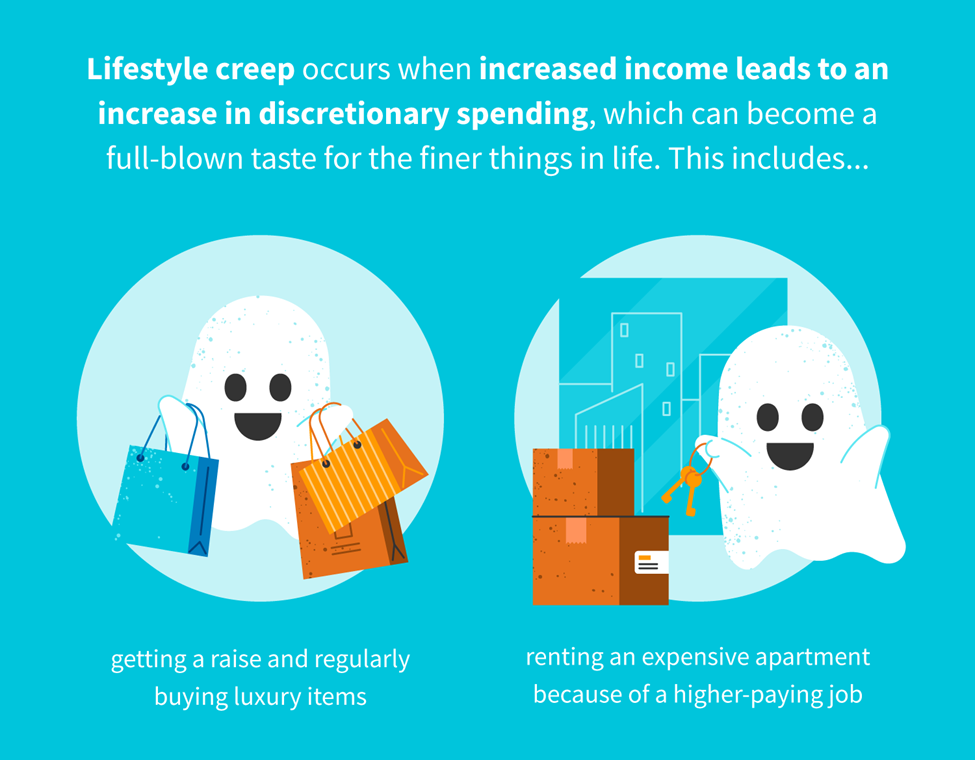
Raises Didn’t Mean Instant Upgrades
Every raise used to trigger spending upgrades. New phone. Better car. Fancier everything. Sound familiar?
Now I split raises intentionally:
- 50% toward goals
- 30% toward lifestyle
- 20% toward fun
This habit alone created breathing room in my finances. More income didn’t trap me—it freed me.
Why upgrade everything when peace of mind feels way better?
I Built an Emergency Fund (So Money Stress Stopped Yelling)
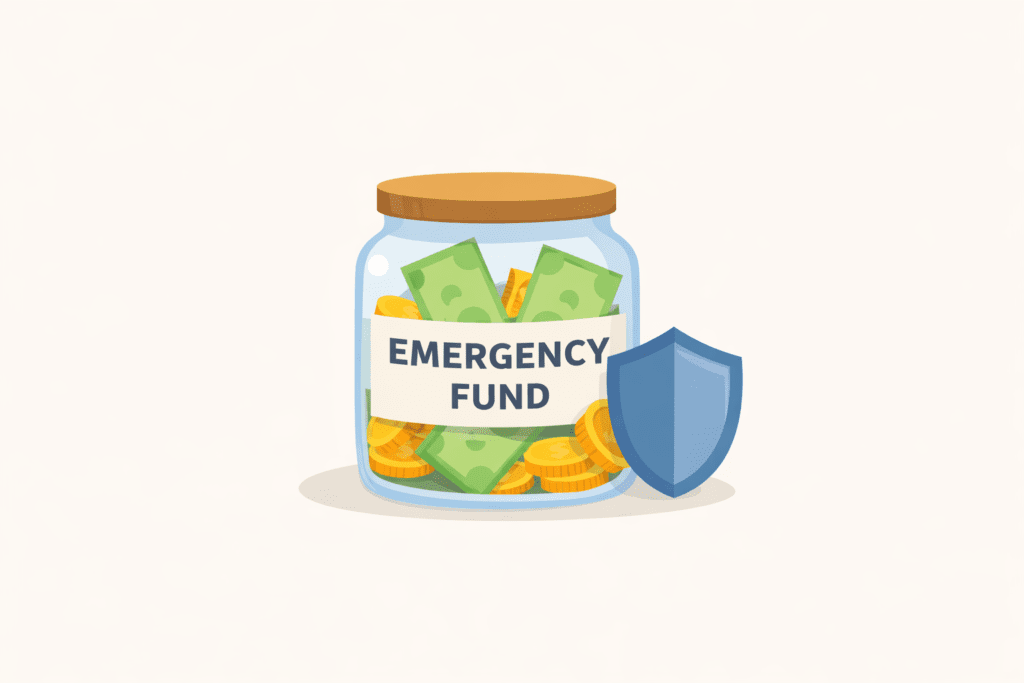
Peace of Mind Became My Favorite Purchase
Nothing wrecks progress faster than surprise expenses. Once I built a solid emergency fund, stress lost its grip.
I aimed for 3–6 months of expenses, but I started small. Even $1,000 changed how I slept at night.
Emergency fund rules I follow:
- Only for real emergencies
- Stored in a boring savings account
- Refilled immediately after use
FYI, peace of mind beats fancy stuff every single time.
I Stopped Using Credit Cards Like Free Money
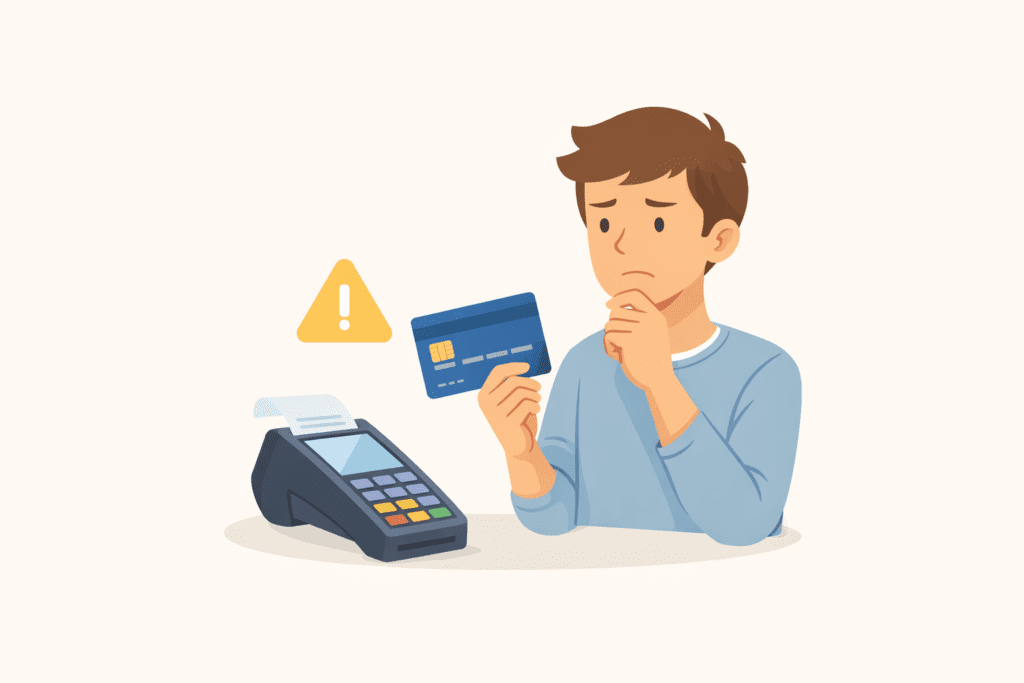
I Changed How I Thought About Debt
I didn’t ditch credit cards—I ditched dumb usage. I treated every swipe like cash leaving my hand.
That shift forced intentional spending. Suddenly, I asked myself, “Would I pay cash for this right now?”
My credit card rules:
- Pay balances in full monthly
- No emotional spending swipes
- Rewards only matter if I avoid interest
Credit cards didn’t ruin my finances. Mindless spending did.
I Focused on Progress, Not Perfection
Consistency Beat Motivation Every Time
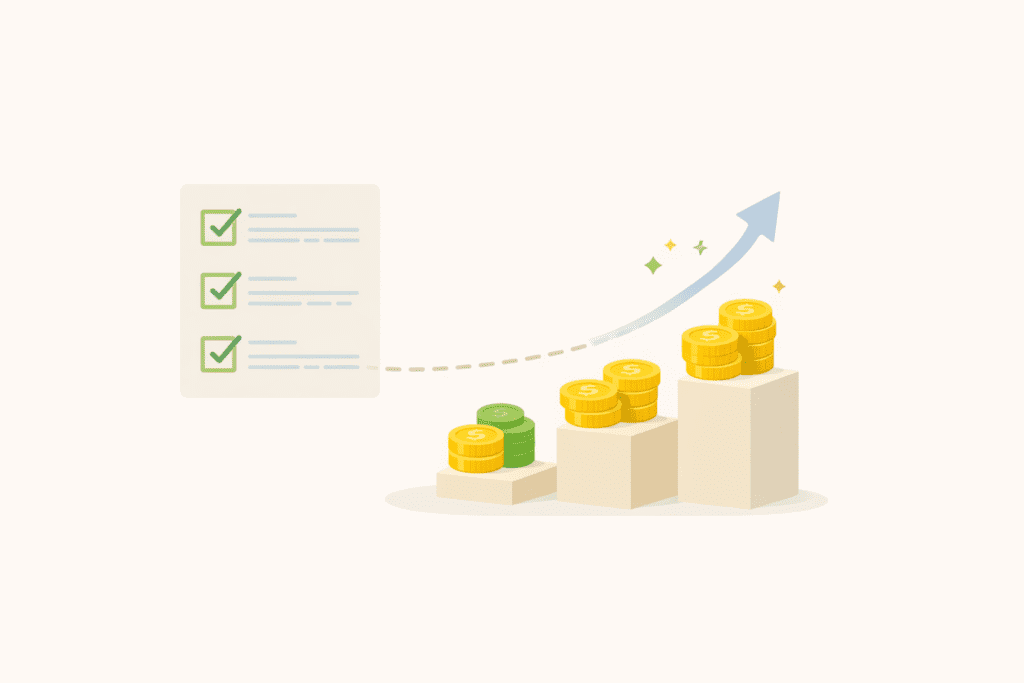
I stopped trying to be perfect with money. I focused on showing up consistently instead.
Missed a savings goal? Fine. Overspent one week? Adjust and move on. Guilt never helped me save more.
What actually worked:
- Weekly money check-ins
- Monthly adjustments
- Long-term patience
Ever notice how slow progress still beats no progress? Exactly.
I Learned to Say “No” Without Feeling Broke
Boundaries Saved My Wallet
I used to say yes to everything—dinners, trips, random spending. Then I learned that every yes costs money and energy.
Now I say no without drama. I choose what matters and skip what doesn’t.
This mindset helped me:
- I don’t explain my financial boundaries
- I plan fun within limits
- I value goals over approval
Funny thing? People respect clear boundaries more than vague excuses.
I Invested Early (Even When It Felt Scary)
Time Did the Heavy Lifting
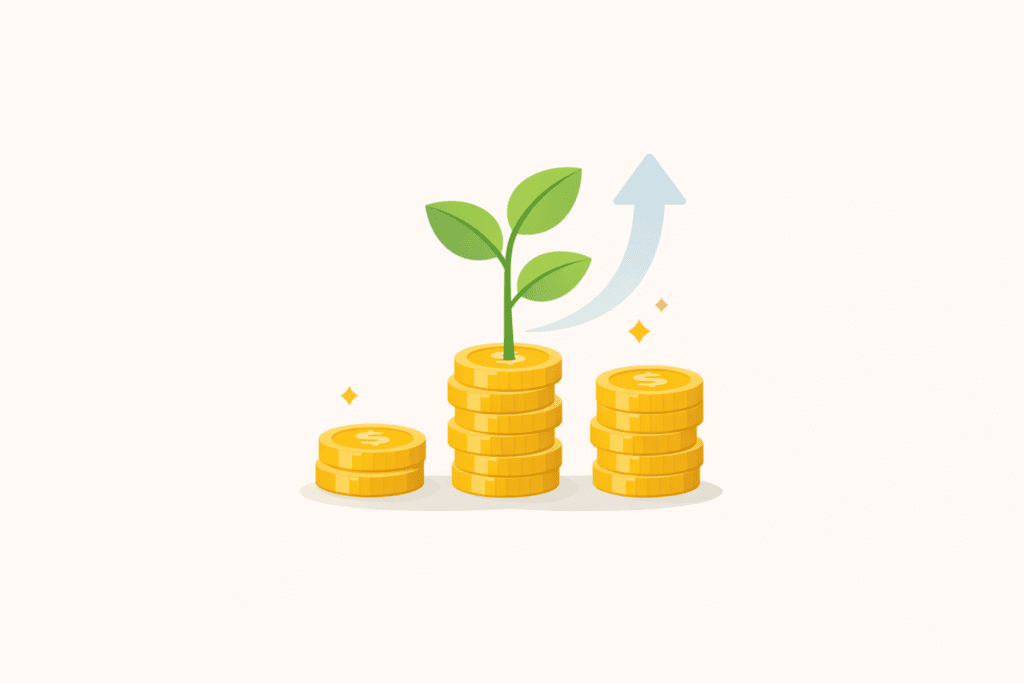
I didn’t wait until I felt “ready.” I started investing while learning along the way. That decision changed my long-term finances more than any single habit.
I focused on boring, consistent investing instead of flashy moves. Growth followed patience, not hype.
My investing principles:
- Start early, even with small amounts
- Stay consistent
- Ignore short-term noise
Ever heard money likes time more than talent? Turns out, that’s true.
I Talked About Money Instead of Avoiding It
Awareness Replaced Shame
I started talking openly about money—with myself first. I stopped pretending everything was fine and dealt with reality.
That honesty helped me make better decisions faster. Awareness always beats avoidance.
Money stopped feeling scary once I understood it. Funny how that works, right? :/
Conclusion: Small Habits, Massive Impact

Looking back, money habits that changed finances didn’t feel dramatic at first. They felt boring, repetitive, and almost too simple. That’s why they worked.
I tracked my money. I automated savings. I spent intentionally. I stayed consistent. Over time, those habits stacked into freedom.
If you take one thing from this, let it be this: you don’t need more income—you need better habits. Start small, stay honest, and keep going. Your future self will thank you… probably with way less stress and way more options 💸✨