

Money Habits That Help You Stop Overspending
You know that sinking feeling when your bank account looks thinner than your patience on a Monday morning? Yeah, overspending does that. But here’s the good news: breaking bad money habits isn’t about deprivation—it’s about working smarter. Let’s talk real-world strategies to keep your wallet happy without losing your mind.
Track Your Spending Like a Detective (But Without the Trench Coat)
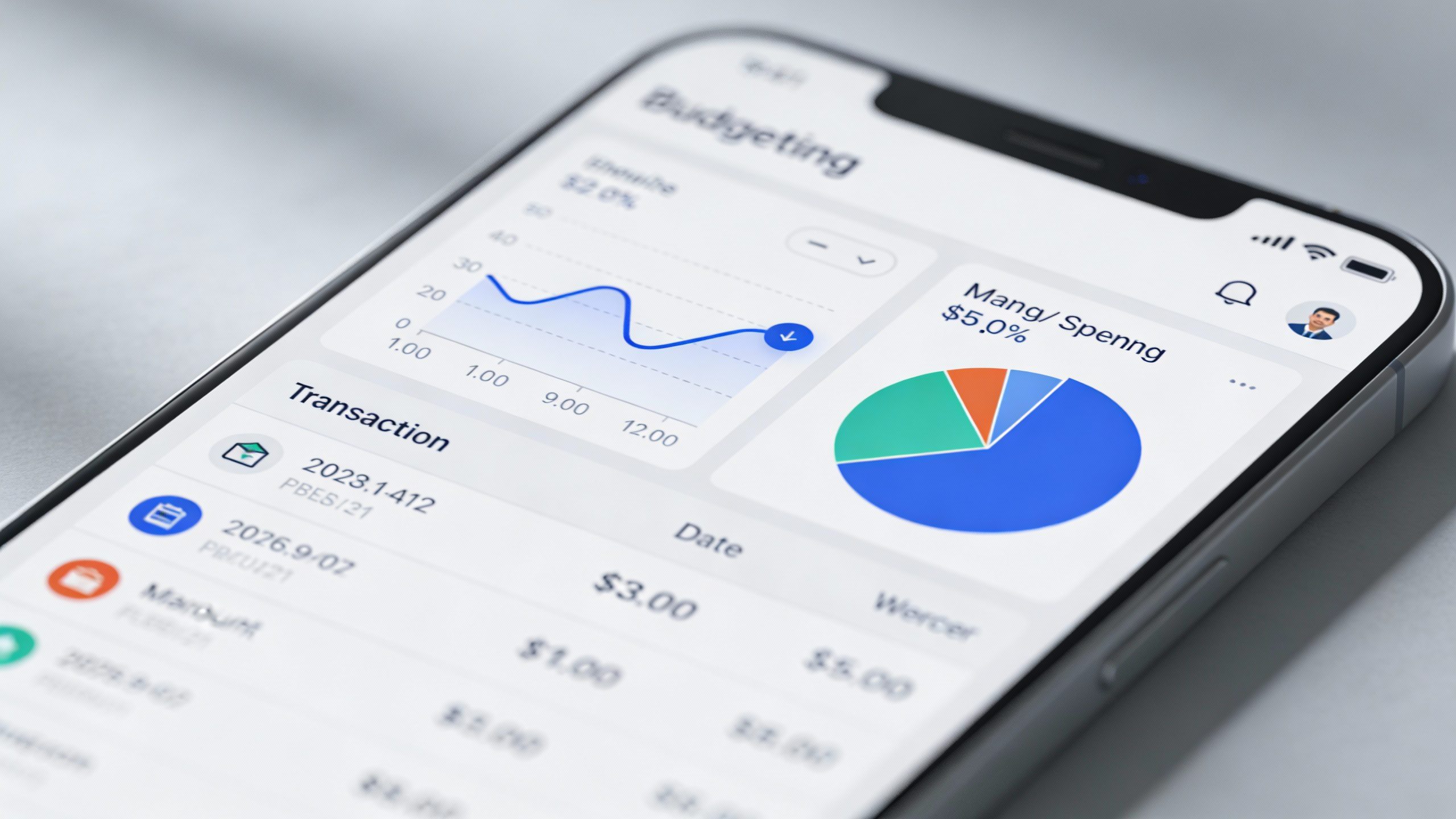
First rule of money club: You can’t fix what you don’t measure. Tracking spending sounds boring, but think of it as a reality show where you control the plot twists. Apps like Mint or YNAB automate the grunt work, but even a simple spreadsheet works. The goal? Spot the leaks before they sink your budget.
Pro Tip: The 48-Hour Rule
See something shiny you “need”? Wait two days. If you still crave it like caffeine, fine—but 80% of the time, the urge fades faster than a New Year’s resolution. This hack alone saves more impulse buys than guilt-tripping yourself later.
Budget Like You’re Giving Your Money a Job

A budget isn’t a straitjacket—it’s a permission slip. Try the 50/30/20 rule:
- 50% for needs (rent, groceries, adulting stuff)
- 30% for wants (that fancy coffee, Netflix binges)
- 20% for savings/debt payoff
Too rigid? Tweak it. The point is to decide where your money goes instead of wondering where it went.
Automate Your Savings (Because Willpower is Overrated)

Relying on willpower to save is like trusting a cat to guard your sandwich. Set up automatic transfers to savings the day you get paid. Out of sight, out of mind—and suddenly, your emergency fund grows without the drama.
Start Small or Start Silly
Can’t swing 20% yet? Save $5/week. Seriously. Habits build momentum, and $5 is less than most drive-thru orders. IMO, consistency beats grand gestures every time.
Use Cash for Weakness Zones

Got a kryptonite spending category (looking at you, online shopping)? Switch to cash for that area only. Physically handing over bills hurts more than swiping—a psychological speed bump to curb mindless splurges.
Unsubscribe From Temptation
Email promo from your favorite store? Unsubscribe. Social media ads hypnotizing you? Mute them. FYI, brands aren’t sending discounts out of kindness—they’re playing on your FOMO. Reduce exposure, reduce spending. Simple math.
FAQ: Your Burning Money Questions, Answered
How do I stop feeling guilty about spending?
Budget for fun stuff! Guilt comes from unplanned spending. If you allocate $50 for “treat yourself” money, you’ll enjoy it way more.
What if I slip up?
Congrats, you’re human. Reset and keep going. Beating yourself up is like refusing to fix a flat tire because you’re mad it happened.
Is it okay to use credit cards?
Only if you pay the balance every month. Otherwise, those points cost more than they’re worth. Treat credit like a debit card, not free money.
How do I deal with peer pressure spending?
“I’m on a budget” is a complete sentence. Real friends won’t judge—and if they do, maybe they’re just salty about their own credit card bill.
Wrap-Up: Spending Less ≠ Living Less
Overspending isn’t a personality flaw—it’s a habit. And habits can change. The goal isn’t to hoard money like a dragon; it’s to spend on what actually matters to you (and maybe finally take that vacation). Now go forth and make your bank account proud.