
Money Habits That Reduce Stress and Build Confidence
Money stress sucks. It keeps you up at night, makes you second-guess every purchase, and turns grocery shopping into a guilt trip. But here’s the good news: a few smart money habits can flip the script. You don’t need a six-figure salary—just a little strategy and some consistency. Let’s dive in.
1. Pay Yourself First (Yes, Before the Coffee)

Most people save what’s left after bills and lattes. Spoiler: there’s never anything left. Flip it. Transfer money to savings the second you get paid, even if it’s just $20. Automate it so you don’t have to think about it.
Why It Works
Humans are terrible at resisting temptation. If money sits in your checking account, you’ll spend it. Out of sight, out of mind = less stress when emergencies hit.
Where to Stash It
- Emergency fund: Aim for 3-6 months of expenses (start small, though).
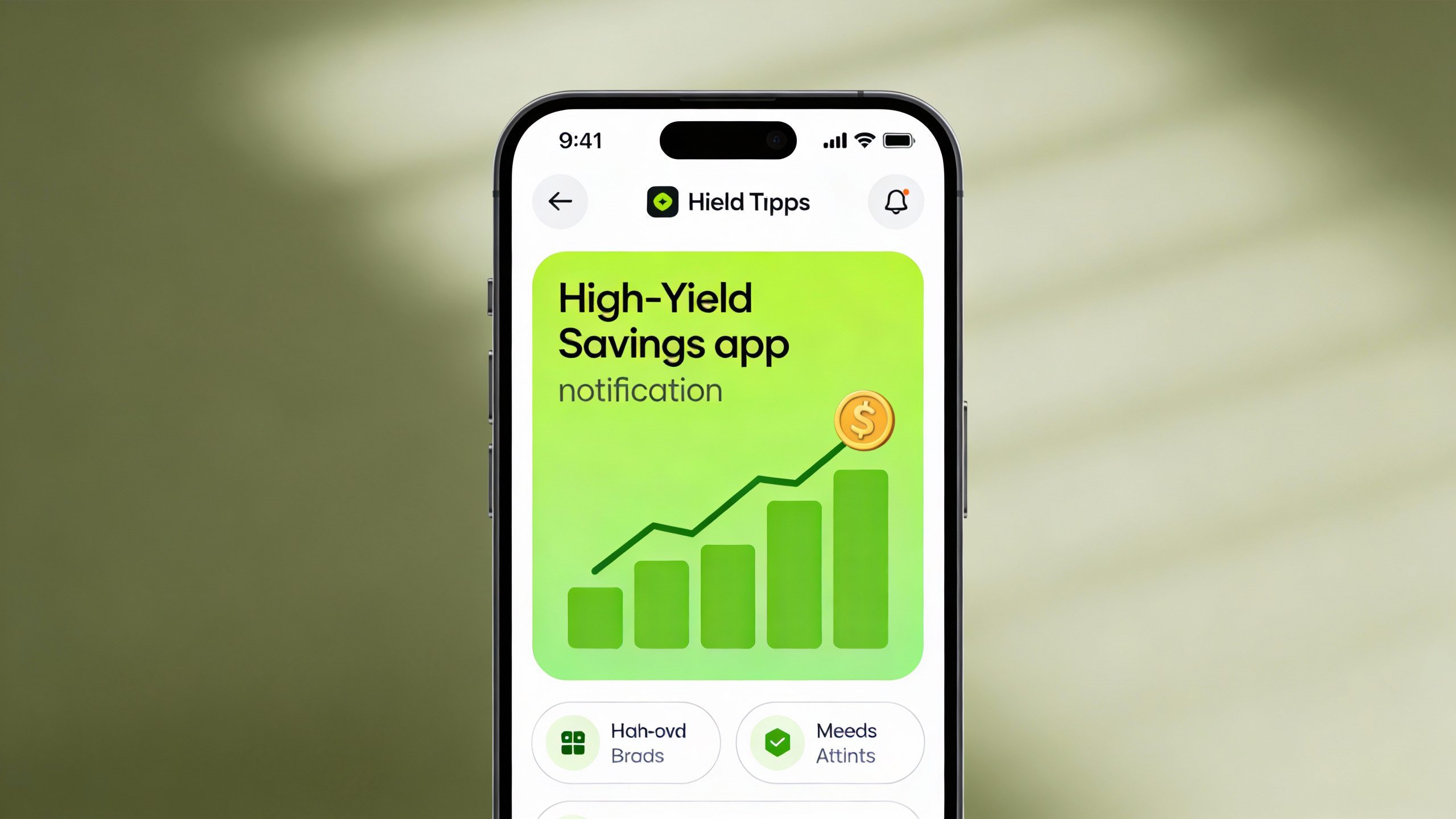
- High-yield savings: Your regular bank’s 0.01% interest is a joke. Online banks offer 4-5%.
2. Kill the Budget (And Replace It With This)
Budgets feel like financial diets—restrictive, miserable, and abandoned by February. Instead, try the 50/30/20 rule:
- 50% on needs (rent, groceries, bills)
- 30% on wants (travel, hobbies, that fancy cheese)
- 20% on savings/debt
It’s flexible, realistic, and doesn’t make you cry over a $5 coffee.
3. Break Up With Your Debt (It’s Toxic)
Debt weighs you down like emotional baggage—except with interest. Tackle it with one of these methods:
The Snowball Method
Pay off the smallest debt first, then roll that payment into the next one. Quick wins keep you motivated.
The Avalanche Method
Attack the highest-interest debt first (looking at you, credit cards). Saves more money long-term, but requires patience.
FYI, pick whichever keeps you going. Progress > perfection.
4. Automate Everything Like a Tech Bro (But Actually Useful)

Forget willpower. Automate:
- Bill payments (late fees = free money for corporations)
- Savings transfers (see point #1)
- Investments (even $50/month adds up)
Your future self will high-five you.
5. Stop Comparing Your Wallet to Instagram
Your coworker’s third vacation this year? Probably debt-fueled. Social media is a highlight reel of financial irresponsibility. Comparison steals joy—and your savings account.
How to Fight It
- Unfollow “luxury lifestyle” accounts (they’re selling you something).
- Celebrate small wins (paid off a credit card? Treat yourself—responsibly).
6. Learn to Say “Nah, I’m Good”
Peer pressure doesn’t end in high school. Friends will drag you to overpriced brunches, weddings you can’t afford, and “investment opportunities” (read: pyramid schemes). Practice saying no—politely, firmly, and without guilt.
Pro tip: “I’m saving for [insert goal here]” shuts down pushy people fast.
7. Make Money Boring (This Is a Good Thing)
Financial stress thrives on chaos. The antidote? Predictability.
- Same paycheck day? Same savings transfer.
- Monthly subscription audit (cancel the gym you haven’t used since 2019).
- Weekly money date (check accounts, adjust as needed).
Boring money = peaceful life.
FAQ
What if I can’t save 20% of my income?
Start with 1%. Seriously. Habits build over time. The goal is consistency, not overnight success.
Should I save or pay off debt first?
Do both. A tiny emergency fund ($1,000) stops you from racking up more debt when life happens. Then attack debt aggressively.
How do I stop impulse buying?
Implement a 24-hour rule for non-essentials. Sleep on it. If you still want it tomorrow, fine—but 80% of the time, you’ll forget.
Is investing scary?
Only if you treat it like gambling. Start with low-cost index funds (look up “lazy portfolios”) and ignore the stock-picking bros.
Wrap-Up: Stress Less, Live More
Financial stress isn’t about how much you make—it’s about control. These habits give you that control, one automated transfer or “no thanks” at a time. You got this. Now go enjoy that guilt-free coffee.