
Money Habits for Overwhelmed Beginners Who Don’t Know Where to Start
Money scares the hell out of you, doesn’t it? One minute you’re swiping your card for avocado toast, the next you’re staring at your bank balance like it’s a horror movie. But here’s the thing: managing money doesn’t have to feel like defusing a bomb. You just need a few simple habits to stop the panic spiral. Let’s fix that.
Start With the Bare Minimum (Seriously, Just One Step)

You don’t need a 12-step finance plan right now. Start with one stupidly easy habit: track your spending for a week. Not a month, not forever—just seven days. Use an app, a spreadsheet, or a napkin. The goal? Awareness.
Most people have *no clue* where their money actually goes (spoiler: it’s probably DoorDash). Once you see the numbers, you’ll either:
- Feel motivated to cut back on nonsense
- Have an existential crisis over your coffee habit
Either way, it’s progress.
Pro Tip: The “Three-Question” Rule
Before buying anything non-essential, ask:
1. Will I remember this purchase in a week? (That random Amazon gadget? Nope.)
2. Does this actually make my life better, or just distract me?
3. Can I afford it without guilt?
If you answer “no” to any, walk away. Your future self will high-five you.
Automate Like You’re a Robot Overlord
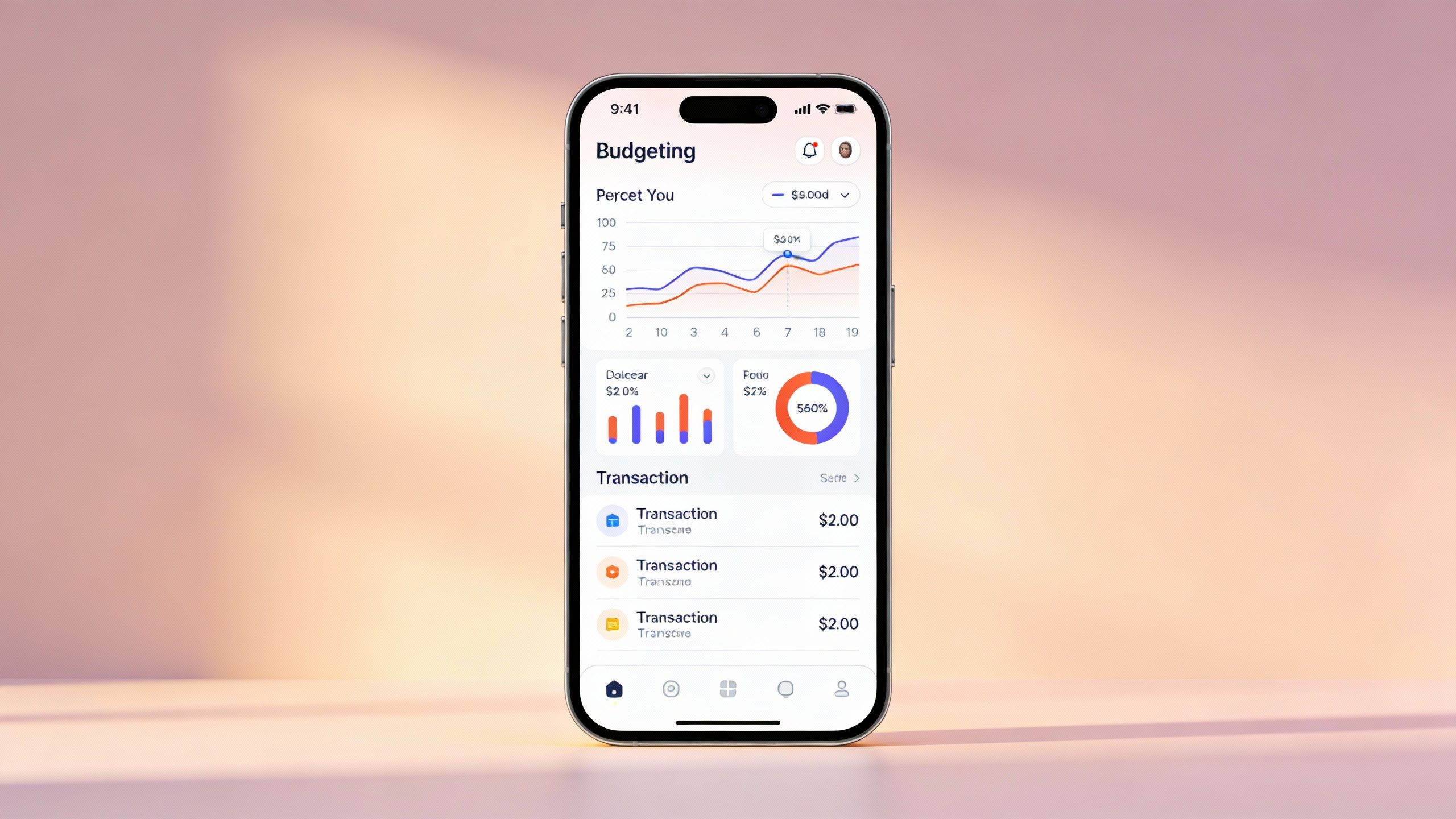
Forget willpower. Set up automatic transfers so your money does the right thing while you binge Netflix. Here’s the cheat code:
- Pay yourself first. Even $20/week into savings adds up.
- Auto-pay bills. Late fees are just taxes on being disorganized.
- Round up purchases. Apps like Acorns stash the change—painless investing.
Automation turns good intentions into habits without you lifting a finger. The lazier, the better.
Break Up With Your Debt (It’s Toxic)

Debt feels like a dark cloud that follows you everywhere. But attacking it doesn’t have to mean eating ramen for a year. Try these two methods:
The “Snowball” Method (For Instant Wins)
1. List debts smallest to largest.
2. Pay minimums on everything *except* the smallest.
3. When that’s gone, roll that payment into the next one.
Why it works: Quick victories keep you motivated.
The “Avalanche” Method (For Math Nerds)
1. List debts by interest rate (highest first).
2. Attack the most expensive debt while paying minimums on the rest.
Saves more money long-term, but requires patience. Pick your fighter.
Build a “Oh Crap” Fund Before Anything Else

Investing? Retirement? Cool, *later.* First, save $500–$1,000 for emergencies. Because life *will* throw curveballs (car repairs, medical bills, your cat’s sudden obsession with eating couch foam).
Keep this cash in a separate account—preferably one you can’t access with a debit card. Label it “DO NOT TOUCH UNLESS THE HOUSE IS ON FIRE.”
Stop Comparing Yourself to Fake Instagram Finances
Social media makes everyone look like they’re rolling in cash. Newsflash: They’re not.
- That “entrepreneur” flaunting a Lambo? Probably leased it for clout.
- Your cousin’s “luxury vacation”? Funded by credit card debt.
Focus on *your* progress. Small wins > staged photoshoots.
FAQ: The Questions You’re Too Embarrassed to Ask
How much should I actually save?
Aim for 10–20% of your income. But if that sounds impossible, start with 1%. Literally *anything* is better than zero.
Do I need a budget?
Yes, but don’t overcomplicate it. Try the 50/30/20 rule:
– 50% needs (rent, groceries)
– 30% wants (fun stuff)
– 20% savings/debt
Adjust as needed—it’s a guideline, not a prison sentence.
What if I keep messing up?
Welcome to being human. One bad month doesn’t ruin everything. Reset and keep going.
Should I invest right now?
Only after you’ve got emergency savings and no high-interest debt. Otherwise, it’s like building a mansion on quicksand.
Just Start Somewhere
Money habits aren’t about perfection—they’re about consistency. Forget overnight transformations. Track a week. Save $20. Celebrate tiny wins.
The biggest mistake isn’t doing it wrong; it’s not starting at all. So, what’s your *one thing* this week?