
Money Habits That Keep You Broke Without You Realizing It
You work hard, yet your bank account acts like it’s on a permanent diet. Where does the money even go? You blink, and boom—payday evaporates into subscriptions you forgot, food delivery you didn’t need, and credit card interest that laughs in your face. Let’s call it out: some habits quietly keep you broke. The good news? You can ditch them without living like a monk.
Death by a Thousand “Little” Purchases
Those $6 lattes, $12 app subscriptions, and $25 “treat yourself” moments? They don’t look scary alone. But together, they hijack your cash flow and leave you wondering why you’re always “almost there” financially.
- Subscriptions pile up: Audit them monthly. If you haven’t used a service in 30 days, cancel it.
- Food delivery fees: You’re often paying 20–40% more than pickup. Kitchen skills = instant pay raise.
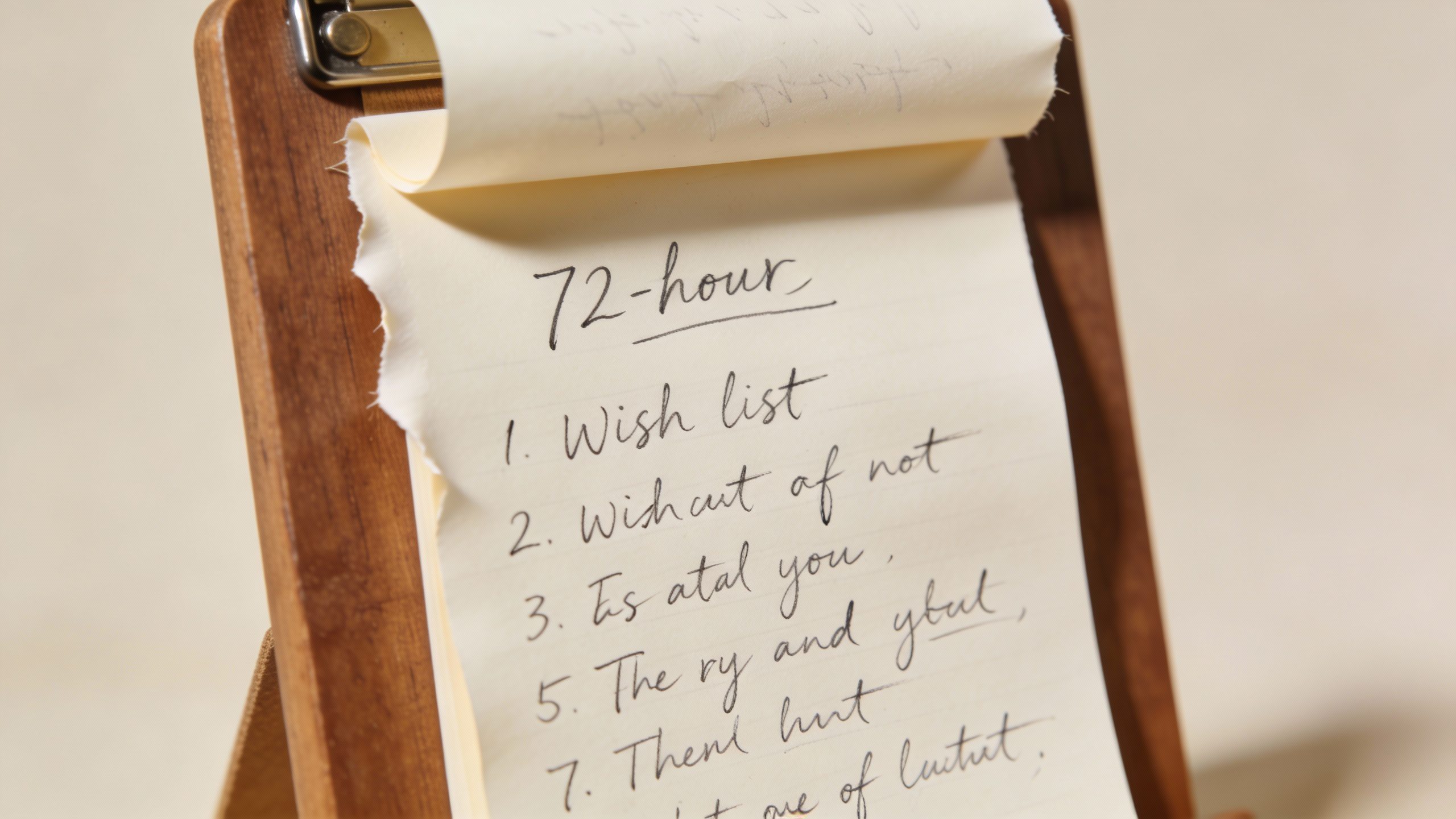
- Impulse buys: Keep a Wish List. If the item still matters in 72 hours, buy it. If not, you saved money without trying.
The 10-Minute Weekly Money Check
Set a calendar reminder. Open your banking app. Glance at last week’s spending. Tag any “oops” purchases. That tiny ritual keeps leaks visible and fixable. No spreadsheets required.
Budgeting? Cool. But You Need Cash Flow
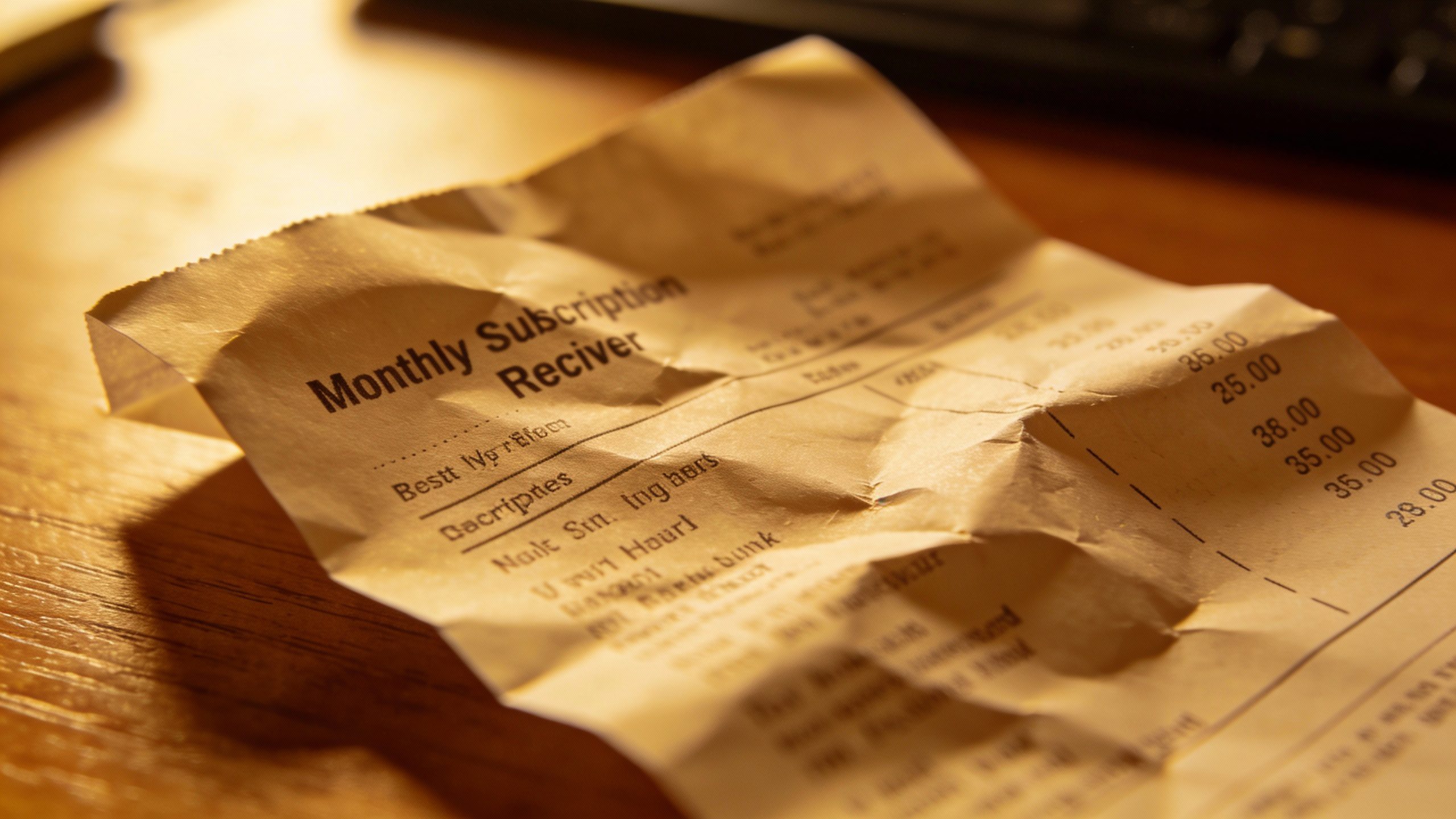
A budget sounds responsible. But if your money rolls in and out with zero timing strategy, you still scramble. Cash flow management fixes the awkward “I’m broke on the 20th but rich on the 1st” problem.
- Split your checking: Use one account for bills, one for spending. Automate transfers on payday.
- Bill batching: Align due dates right after your paycheck hits. Call companies and move them—yes, they often say yes.
- Weekly allowances: Instead of $800/month on variable stuff, do $200/week. Smaller buckets = fewer oops moments.
The “Pay Yourself First” Move
Before you pay anyone, pay Future You. Automate savings and investments on payday. If the money never hits your spending account, you won’t miss it. FYI, that’s not willpower—it’s design.
Credit Cards: Points Are Cute, Interest Is Not
Let’s be honest: points don’t beat 25% APR. If you carry a balance, the bank wins—every time. And no, redeeming for a fancy toaster does not equal financial strategy.
- Use one primary card: Keep it simple. Track spending easily. Rack up rewards without chaos.
- Autopay statement balance: Set it and forget it. Interest never enters the chat.
- Balance spiral? Use a 0% APR transfer, then cut up the old card. Pay off aggressively over 12–18 months.
Snowball vs. Avalanche
– Snowball: Pay smallest balances first for quick wins.
– Avalanche: Pay highest interest first to save more.
IMO, choose the one you’ll actually stick to. Consistency beats math perfection.
Your Lifestyle Creeps When You’re Not Looking
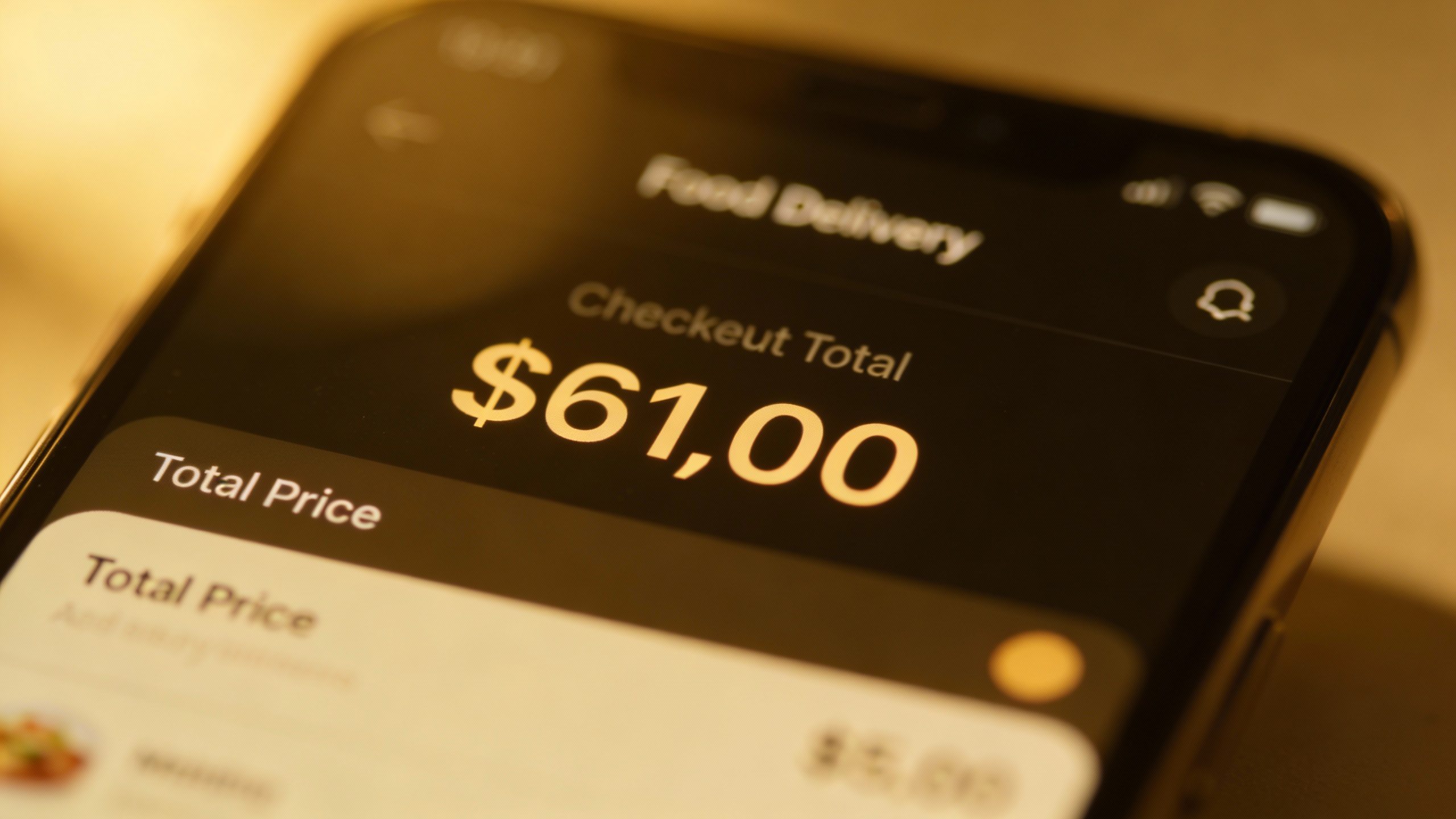
You get a raise. Suddenly your coffee, gym, apartment, and vacations “upgrade themselves.” That’s lifestyle creep—polite, sneaky, and expensive.
- Set a raise rule: Automate 50–70% of every raise to savings or investing.
- Cap your fixed costs: Keep rent, car, insurance, and utilities under 50% of take-home pay when possible.
- Use thresholds: Anything over $100 triggers a 24-hour cooldown. Over $500? 7 days.
The “Fun Fund” That Saves You
You need guilt-free spending. Set a monthly fun budget. Spend it without thinking. The rest? Off limits. Boundaries make spending feel better, not worse.
Emergency Fund? Or Emergency Fantasy?
Emergencies aren’t “if.” They’re “when.” Without a cushion, everything becomes a crisis that lands on a credit card.
- Starter fund: $1,000: Park it in a high-yield savings account.
- Target: 3–6 months: Base it on essential expenses, not your entire spending spree.
- Automate a tiny deposit: Even $25/week grows. Momentum matters more than size at first.
Where to Keep It
High-yield savings or a money market account. Easy access, FDIC or NCUA insured, slightly better interest. Not investing. Not crypto. You want boring here.
Never Investing Because “It’s Not the Right Time”

Waiting for the perfect moment to invest keeps you broke longer. The market swings. Your retirement does not care about vibes. Time in the market wins, not timing the market.
- Start with your 401(k): Capture employer match first. That’s free money.
- Roth IRA or traditional IRA: Use them if you qualify. Automate monthly contributions.
- Index funds for sanity: Broad-market funds give you diversified exposure with minimal effort.
How Much Should You Invest?
A solid rule: save and invest 15% of your gross income once your debt and cash flow stabilize. Can’t hit that yet? Start with 3–5% and ramp up every quarter. Tiny increases add up faster than you think.
Confusing “Looking Rich” With Being Wealthy
Designer sneakers and a new car signal success, sure. But wealth loves silence. Bank accounts, not brands, buy freedom.
- Used cars are underrated: New cars lose value the moment you leave the lot.
- Brand bargains: Buy quality, not hype. Hunt for sales and outlets for the staples you’ll wear constantly.
- Flex with assets: Build a bigger net worth, not a bigger closet. Quiet flex is the best flex.
Social Pressure Detox
Say “I’m on a savings kick” and suggest cheaper plans. Real friends adapt. The rest were just expensive acquaintances.
Hating Your Numbers So Much You Avoid Them
Avoidance costs more than mistakes. When you don’t look, fees hit, overdrafts ding you, and spending spirals. Money likes attention.
- Weekly money date: 15 minutes. Coffee, playlist, bank apps. Check balances, upcoming bills, and last week’s damage.
- Set alerts: Low-balance, large purchases, and upcoming bills.
- Automate wins: Bills autopay, savings transfers, investing contributions.
Make It Visual
Track one metric on your phone lock screen: cash cushion, debt payoff total, or net worth. Seeing progress makes good habits addictive. FYI, your brain loves streaks.
FAQ
How do I stop impulse buying without feeling deprived?
Use a 72-hour rule for wants, keep a Wish List, and set a monthly “fun fund” that you can spend guilt-free. If you really want something, schedule it for next month’s fun budget. Delay creates clarity. Most “must-haves” fade fast when you pause.
Should I pay off debt first or invest?
If your debt interest is high (think 8–10%+), prioritize paying it down while still capturing any employer match in your retirement account. If your rates are lower, do both: pay more than the minimum on debt and invest a small, consistent amount. Momentum on both fronts keeps you motivated, IMO.
How big should my emergency fund be if my income fluctuates?
If your income swings (freelance, commission), aim for 6–9 months of essential expenses. Build it in layers: first $1,000, then one month, then three, and keep going. Park it in a high-yield savings account and treat it like a fire extinguisher: boring, nearby, and only for emergencies.
What’s the easiest way to start investing without getting overwhelmed?
Open an IRA or contribute to your 401(k), choose a broad market index fund or a target-date fund, and automate monthly contributions. You don’t need to pick stocks. One or two diversified funds can carry you for decades with minimal effort.
How do I cut expenses without feeling like I’m living in a cave?
Trim the heavy hitters first: housing, car, insurance, and food delivery. Renegotiate bills, cook more at home, and cancel unused subscriptions. Keep some treats—just budget them. You want sustainable changes, not a 30-day austerity stunt.
Are credit card rewards worth it?
Only if you pay the statement balance in full every month. Rewards make sense when interest never enters the picture. Otherwise, points act like glitter on a dumpster fire—pretty, but still a fire.
Conclusion
Money habits can make you or break you. The broke-keeping ones—tiny impulse buys, chaotic cash flow, interest payments, lifestyle creep, and avoidance—pile up fast. Swap them for simple systems: automate the good stuff, cap the fun stuff, and check in weekly. You don’t need perfection. You just need consistency and a tiny bit of stubbornness. Your future self will high-five you for it.