
Simple Money Habits to Make Budgeting Easier
Ever feel like your money disappears faster than your motivation to hit the gym on Monday? You’re not alone. Budgeting doesn’t have to feel like a chore—or worse, a punishment. A few smart money habits can turn financial stress into financial swagger. Let’s dive in.
Track Every Penny (Yes, Even That Coffee)
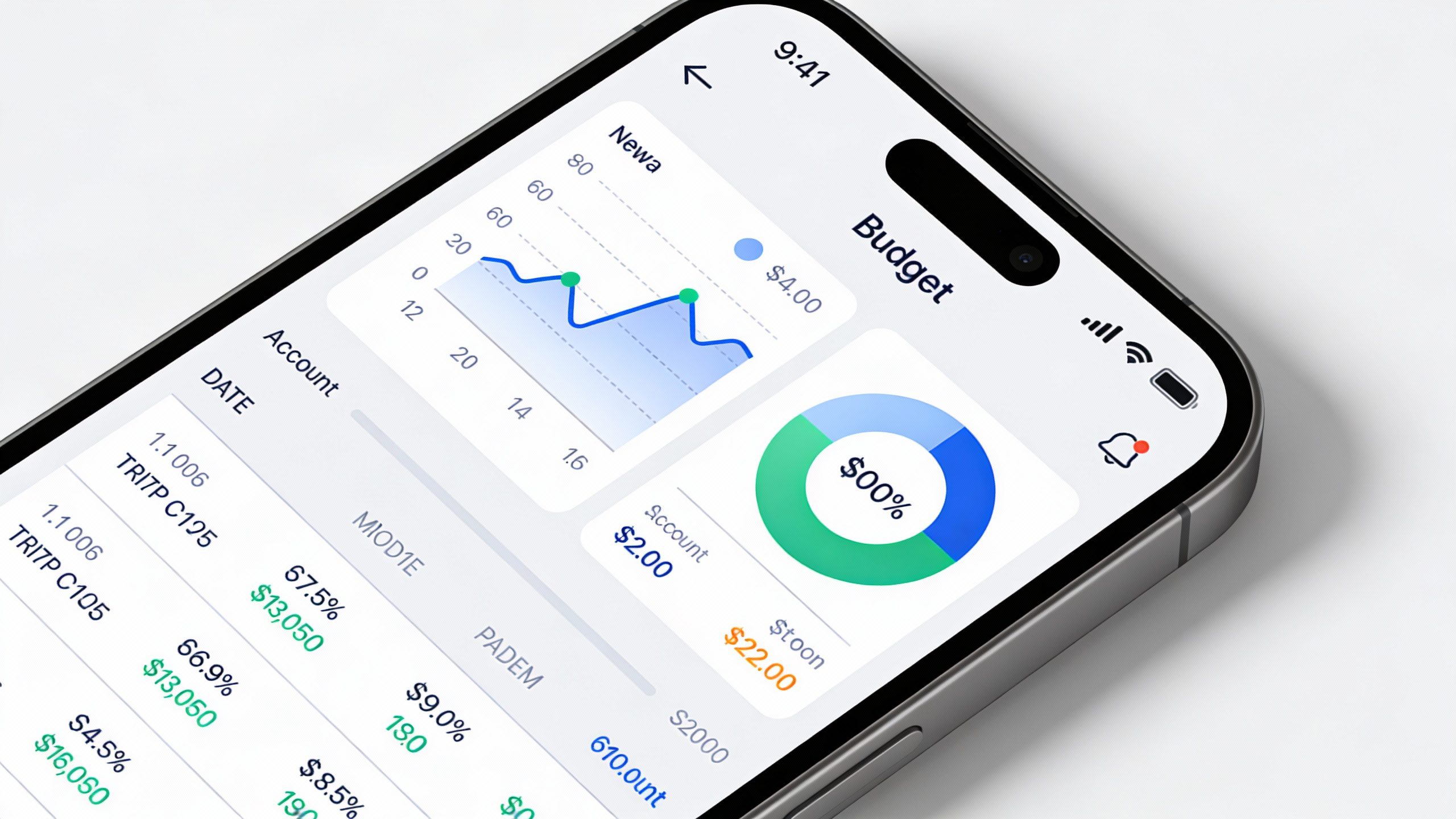
You wouldn’t drive blindfolded, so why manage money without tracking it? Knowing where your cash goes is step one to controlling it. Apps like Mint or YNAB make this easy, but even a notes app or spreadsheet works.
Pro tip: Track for a full month before making changes. You’ll spot patterns—like how your “quick snack” runs add up to a car payment.
Why Small Purchases Matter
That $3 latte seems harmless, but multiply it by 30 days, and suddenly you’ve spent $90 on caffeine. Small leaks sink budgets. IMO, you don’t need to cut all fun spending—just be aware of it.
Pay Yourself First (No, This Isn’t Selfish)
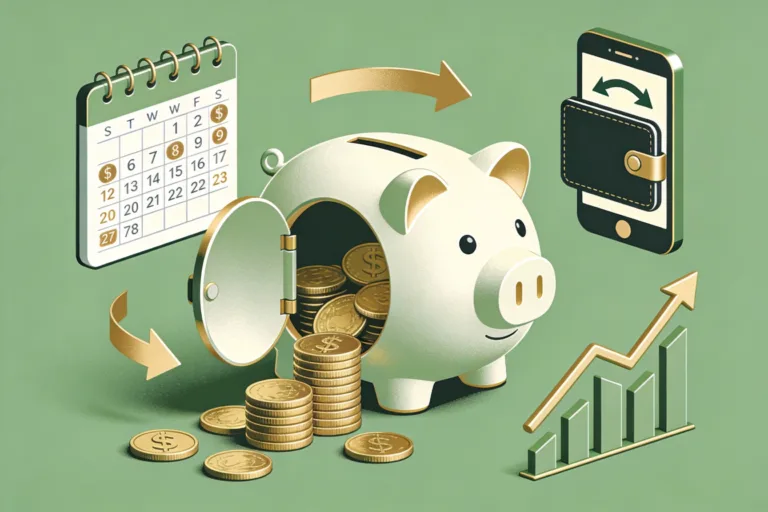
Before bills, before takeout, before *anything*—transfer money to savings or investments. Automate it so you never “forget.” Even 10% of your paycheck adds up over time.
- Emergency fund: Aim for 3-6 months of expenses.
- Retirement: Start early—compound interest is magic.
- Fun money: Yes, budget for this too. Life’s short.
Ditch the “All or Nothing” Mindset

Missed your budget this month? Don’t nuke the whole plan. Budgeting isn’t pass/fail—it’s progress over perfection. Adjust and move on.
Flexible Budgeting FTW
Try the 50/30/20 rule as a loose guide:
- 50% needs (rent, groceries)
- 30% wants (Netflix, sushi nights)
- 20% savings/debt
Tweak the ratios based on your goals. Living in a pricey city? Maybe 60/20/20 works better.
Automate Everything (Because You’ll Forget)

Humans are forgetful creatures. Set up autopay for bills, automatic transfers to savings, and even round-up apps that stash spare change. Out of sight, out of mind—*into* your savings account.
FYI: Check your automation quarterly. You don’t want a gym membership you canceled years ago still draining your account.
Cut the Guilt (and the Unnecessary Subscriptions)
Cancel that unused yoga app. Pause the gourmet snack box. You’re not failing—you’re optimizing. Every dollar saved is a dollar you can redirect toward something you actually care about.
The Subscription Audit
- List every subscription (bank statements don’t lie).
- Ask: Do I use this weekly? Does it bring joy?
- Kill the zombies. You’ll sleep better.
FAQ
How much should I save each month?
Aim for at least 20% of your income. If that’s impossible right now, start with 5% and scale up. Something > nothing.
Should I use cash or cards?
Cards are great for tracking (and rewards), but cash can curb overspending. Try a hybrid approach—cash for “danger zones” like dining out.
What if I hate spreadsheets?
No shame. Use apps, voice notes, or even a whiteboard. The method doesn’t matter—the habit does.
How do I stop impulse buying?
Implement a 24-hour rule for non-essentials. Sleep on it. Most “must-haves” become “meh” by morning.
Is budgeting worth it if I earn enough?
Yes. High earners bleed money too—often on lifestyle creep. A budget keeps you intentional, whether you make $30K or $300K.
Wrap-Up: Budget Like a Human
Budgeting isn’t about deprivation—it’s about control. Track, automate, adjust, and *breathe*. Your future self will high-five you. Now go forth and spend (wisely).