Minimalist Frugal Living for a Simple, Affordable Life
Frugal living and minimalism go together like peanut butter and jelly—both are simple, satisfying, and ridiculously efficient. If you’ve ever looked at your overflowing closet or your bank statement and thought, “This is too much,” then congrats, you’re already halfway to embracing frugal minimalism. It’s not about deprivation; it’s about intentionality. Let’s talk about how to spend less, own less, and—somehow—enjoy life more.
Why Frugal Minimalism Isn’t Just for Hippies

Some people hear “frugal minimalist” and picture someone living in a tiny house with a single spoon and a pet cactus. But here’s the truth: frugal minimalism is flexible. It’s about cutting the excess so you can focus on what actually matters—whether that’s financial freedom, less clutter, or more time for your passions.
You don’t have to ditch your Netflix subscription or move into a yurt (unless you really want to). It’s about making small, sustainable swaps that add up.
The Money-Clutter Connection
Ever notice how the more stuff you buy, the more money vanishes? Minimalism helps you break that cycle. Fewer impulse purchases = less clutter = more cash in your pocket. It’s a win-win-win.
Start With the Low-Hanging Fruit
You don’t need to overhaul your life overnight. Tackle the easy wins first:
- Cancel unused subscriptions: That gym membership you haven’t touched since January? The third streaming service you forgot you had? Gone.
- Meal prep like a pro: Eating out drains wallets faster than a leaky faucet. Batch cooking saves time *and* money.
- Buy secondhand: Thrift stores, Facebook Marketplace, and Poshmark are goldmines for quality stuff at a fraction of the price.
Pro tip: If you’re hesitant about thrifting, start with books or kitchenware. No one cares if your spatula has a previous owner.
The Art of the “No-Spend” Challenge
A no-spend challenge is exactly what it sounds like: you spend money only on essentials (rent, groceries, etc.) for a set period—usually a week or month. It’s like a financial detox.
How to Survive Without Retail Therapy
- Get creative with free entertainment: Libraries, parks, and YouTube exist. Use them.
- Unsubscribe from marketing emails: Out of sight, out of mind (and out of your wallet).
- Lean into what you already own: Rediscover old hobbies, books, or that fancy coffee maker collecting dust.
FYI, the first few days might feel weird, but you’ll quickly realize how much you spend out of habit, not necessity.
Minimalist Budgeting: Less Math, More Freedom

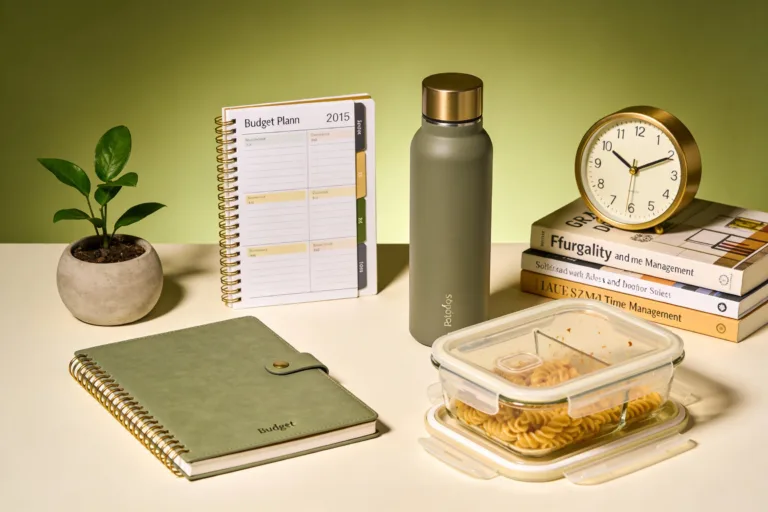
Budgets sound boring, but a minimalist budget is different. Instead of tracking every penny, focus on big wins:
- Automate savings: Pay yourself first. Even $50 a month adds up.
- Cut fixed costs: Negotiate bills, switch to a cheaper phone plan, or downsize your living space.
- Use cash for “fun money”: Withdraw a set amount for non-essentials. When it’s gone, it’s gone.
The goal? Spend less time stressing over spreadsheets and more time enjoying life.
Decluttering Without the Guilt Trip
Minimalism isn’t about tossing everything you own—it’s about keeping what adds value. Marie Kondo had the right idea, but you don’t need to thank your socks before donating them.
The One-Year Rule
If you haven’t used/worn something in a year (excluding sentimental items), it’s probably safe to let go. Exceptions:
- Tools you use occasionally
- Seasonal gear (unless you moved to the desert)
- That one fancy outfit for weddings/funerals
Frugal Minimalism Myths Debunked
Let’s clear up some misconceptions:
- “Minimalism means living with nothing.” Nope. It means living with *enough*.
- “Frugal people are cheap.” Wrong. Frugal people prioritize value—they’ll splurge on quality when it matters.
- “This is only for rich people.” Hard no. Anyone can benefit from spending less and owning less.
IMO, the biggest myth is that frugal minimalism is restrictive. It’s actually the opposite—it frees you from unnecessary stress.
FAQs About Frugal Minimalism
Is frugal minimalism just another trend?
Nah. People have been living simply for centuries—it’s only recently that consumerism made it seem radical. The core idea (spend less, own less, live more) is timeless.
How do I handle gifts without feeling wasteful?
Ask for experiences (concert tickets, classes) or consumables (fancy coffee, wine). If you get physical gifts you don’t need, regift or donate them guilt-free.
What if my partner/kids aren’t on board?
Start small. Lead by example—show how much easier life gets with less clutter and more savings. You can’t force it, but you can inspire.
Can I still enjoy hobbies without spending a ton?
Absolutely. Many hobbies (hiking, reading, drawing) are low-cost. For pricier ones (photography, woodworking), buy used gear or rent first to test the waters.
Final Thoughts: Less Really Is More
Frugal minimalism isn’t about sacrifice—it’s about choosing what matters. When you cut the noise (both physical and financial), you make room for the good stuff: freedom, peace of mind, and maybe even a little extra cash for that dream vacation.
So, what’s one thing you can simplify today? Your wallet—and your future self—will thank you.