
Long-Term Investing for Beginners Explained (No Jargon)
Want to build serious wealth? Not the “get rich quick” kind—the kind that actually lasts? Long-term investing is your golden ticket, but most people screw it up by overcomplicating things or chasing shiny trends. Here’s the real deal: grow your money slowly, stay patient, and ignore the noise. Let’s break it down.
Start Early (Like, Yesterday)

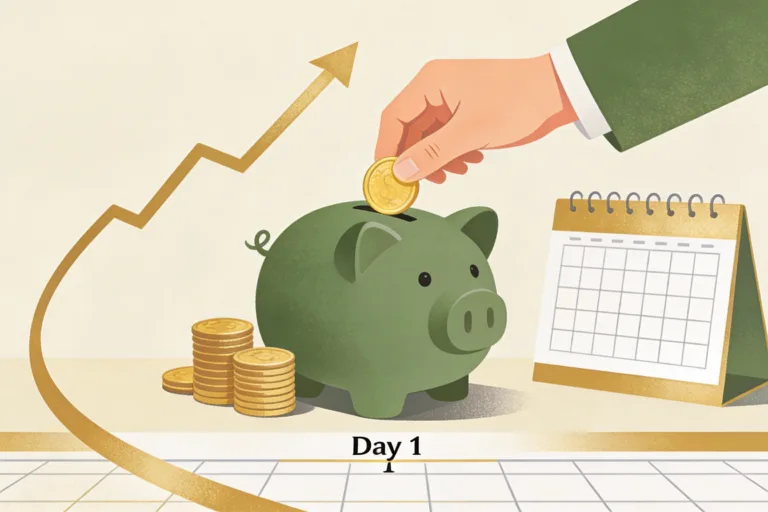
Time is the ultimate wealth-building cheat code. The earlier you start investing, the less you actually need to contribute. Thanks to compound interest, your money grows on itself like a financial snowball rolling downhill. Miss out on starting early, and you’ll need to shovel way more cash in later to catch up.
The Magic of Compound Interest
Imagine two people:
- Alex invests $200/month from age 25 to 35, then stops—but the money keeps compounding.
- Jamie starts at 35 and invests $200/month every month until retirement at 65.
At 65, Alex ends up with more money. Why? Those early years gave their investments exponential growth. Moral of the story? Start now, even if it’s just $50 a month.
Buy and Hold (No, Seriously)

The stock market isn’t a casino, but people treat it like one. News flash: constantly buying and selling stocks usually leads to lower returns than just sitting tight. Studies show passive investors often beat active traders. Why? Fewer fees, less stress, and no emotional screw-ups.
What to Actually Invest In
- Index funds/ETFs: Low-cost, diversified, and historically reliable. The S&P 500 averages ~10% annual returns over decades. Boring? Yes. Effective? Absolutely.
- Dividend stocks: Companies that pay you just for owning them. Reinvest those dividends for turbocharged growth.
- Real estate (REITs): Own property without dealing with leaky faucets. REITs trade like stocks and pay solid dividends.
Automate Everything

Humans are terrible at consistency. We forget, get lazy, or panic-sell during market dips. The fix? Automate your investing so you never have to think about it.
- Set up automatic transfers from your paycheck to your investment accounts.
- Use robo-advisors if you hate managing portfolios.
- Reinvest dividends automatically—don’t let that cash sit idle.
FYI, this also removes emotional decisions. You’ll thank yourself later.
Ignore the Hype (Yes, Even Crypto)

Every few years, a “can’t lose” trend emerges—dot-com stocks, real estate in 2007, NFTs, crypto, AI stocks. Some people strike gold; most get wrecked. Long-term wealth isn’t built on gambling. Stick to proven strategies, and only dabble in speculation with money you can afford to lose.
How to Spot a Bubble
Ask yourself:
- Is everyone suddenly an “expert” on this asset?
- Are people quitting jobs to chase it?
- Does the price chart look like a vertical line?
If yes, proceed with extreme caution—or just walk away.
Keep Fees Stupid Low
Fees are wealth killers. A 1% fee might seem small, but over 30 years, it could cost you hundreds of thousands. Always check expense ratios and avoid:
- Actively managed funds with high fees (most underperform anyway).
- Financial advisors who charge a percentage of your assets.
- Platforms with hidden commissions.
Stick to index funds (expense ratios under 0.2%) and DIY when possible.
Stay the Course (Even When It Sucks)
Markets crash. Economies tank. Your portfolio will drop 20%, 30%, or more at some point. This is normal. The worst thing you can do? Sell in panic. The best? Keep investing like nothing happened. Historically, every major downturn eventually recovered—and then some.
The “Do Nothing” Strategy
Warren Buffett’s advice? “Our favorite holding period is forever.” If you can’t stomach volatility, consider:
- Reducing exposure to risky assets as you age.
- Keeping an emergency fund (so you don’t sell investments in a crisis).
- Ignoring financial news—most of it’s noise.
FAQs
How much should I invest each month?
As much as you can without hating your life. Even $100/month adds up over time. Aim for 15-20% of your income if possible.
Should I pay off debt before investing?
Depends on the interest rate. High-interest debt (credit cards)? Pay that off ASAP. Low-interest debt (mortgage, student loans)? Invest while paying it down.
What’s the best brokerage for beginners?
Fidelity, Vanguard, or Charles Schwab. All offer low fees, great tools, and no-nonsense platforms.
How do I know if I’m diversified enough?
If one bad stock won’t wreck your portfolio, you’re good. Index funds automatically diversify you across hundreds of companies.
When should I sell an investment?
Only if:
- The fundamentals permanently changed (e.g., the company is dying).
- You need the money for a life goal.
- You’re rebalancing your portfolio.
Is real estate better than stocks?
IMO, stocks are simpler (no tenants, no repairs), but real estate can offer tax benefits and passive income. Do both if you’re ambitious.
Final Thought: Just Start
Overthinking kills more portfolios than bad investments. You don’t need a perfect plan—just a consistent one. Pick solid investments, automate contributions, and wait. The market will do the heavy lifting. Now go make future-you rich.