
How to Live Frugally Without Feeling Deprived
Let’s clear something up right away. Living frugally does NOT mean living miserably. No sad ramen dinners every night. No sitting in the dark to save on electricity like a cartoon villain. And definitely no feeling like life is on pause until you “make more money.”
I’ve lived on tight budgets before, and honestly? Some of my happiest, calmest financial seasons came from spending less—on purpose. The trick is learning how to live frugally without deprivation, not white-knuckling your way through life. Ever wondered why some people save money effortlessly while still enjoying themselves? Let’s talk about that.
Frugality Isn’t About Saying “No” to Everything

Most people mess this up from day one. They treat frugality like punishment. No fun. No treats. No joy. Then they quit after two weeks and blame budgeting.
Reframe Frugality (This Part Changes Everything)
Frugality means spending intentionally, not eliminating joy. I stopped asking, “Can I afford this?” and started asking, “Is this worth it to me?” That single mindset shift made everything easier.
Here’s what frugal living actually looks like:
- Spending freely on what matters
- Cutting ruthlessly on what doesn’t
- Feeling in control instead of restricted
IMO, that’s not deprivation. That’s freedom 🙂
Get Clear on What You Actually Care About

If you try to live frugally without knowing your priorities, you’ll feel deprived fast. Ask yourself this: What makes my life feel good on a regular Tuesday?
Identify Your “Non-Negotiables”
Mine? Good coffee, comfortable shoes, and the occasional takeout night when I feel wiped. Yours might look different, and that’s the point.
Write down:
- 3–5 things you refuse to feel guilty spending on
- Everything else becomes fair game for cuts
When you protect what you love, frugality stops feeling like sacrifice. Ever noticed how cutting random stuff hurts less than cutting things you care about?
Stop Budgeting Like a Robot

Traditional budgets fail because they ignore human behavior. You’re not a spreadsheet. You’re a person who gets tired, bored, and occasionally wants tacos.
Build a “Real Life” Budget
I always include:
- Fun money (yes, seriously)
- Buffer money for unexpected stuff
- Flexible categories instead of strict limits
A budget that includes joy works better than a perfect budget you hate. FYI, no one sticks to a plan they resent.
Cut Costs Without Cutting Comfort

This is where frugal living shines. You don’t need extreme tactics to save real money.
Easy Wins That Don’t Feel Painful
I focus on big expenses first, because tiny sacrifices add up to burnout.
High-impact, low-pain cuts:
- Negotiating phone, internet, and insurance bills
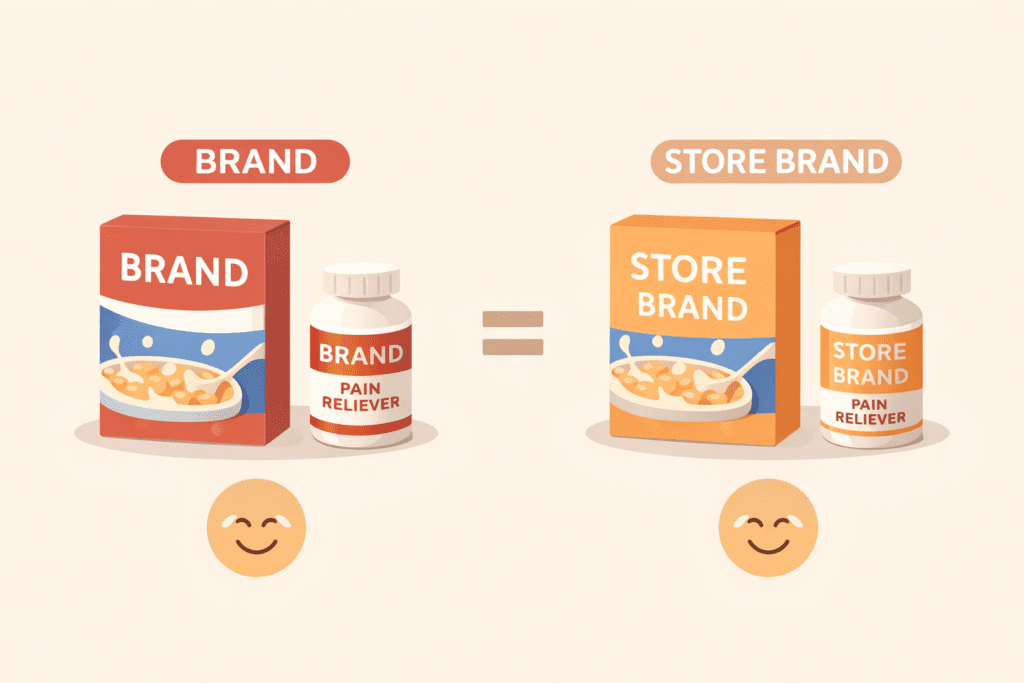
- Switching to store brands (most taste the same, let’s be honest)
- Canceling subscriptions I forgot existed
- Cooking at home more—but keeping it simple
I saved hundreds a month doing this without feeling any lifestyle downgrade. Have you checked your recurring bills lately, or are they silently robbing you? 😅
Learn to Love Simple (Without Becoming Boring)

Simple doesn’t mean dull. It means less clutter, fewer decisions, and more breathing room.
Frugal Fun Is Still Fun
Some of my favorite low-cost joys:
- Home movie nights with actual popcorn
- Free local events and festivals
- Long walks with podcasts or playlists
- Hosting potlucks instead of pricey dinners out
You don’t need to spend $100 to enjoy a weekend. You need creativity and permission to enjoy the basics.
Use Frugal Swaps That Don’t Feel Like Downgrades
The right swaps feel smart, not cheap.
My Go-To Frugal Swaps
These saved me money without touching my quality of life:
- Generic meds instead of name brand
- Library books instead of buying
- Secondhand furniture with character
- Meal planning around sales (not strict menus)
The goal is equal satisfaction at a lower cost. If a swap feels like suffering, skip it. Who benefits from that?
Avoid the “All or Nothing” Trap
This one wrecks so many good intentions. People think frugality requires perfection. It doesn’t.
Progress Beats Perfection (Always)
Some months you’ll crush it. Some months you’ll overspend. Both can exist without failure.
What actually matters:
- You notice your habits
- You adjust without guilt
- You keep going
Frugal living works long-term only when it allows room for being human. Miss a goal? Shrug, learn, move on.
Automate Good Money Decisions

When I stopped relying on willpower, everything got easier. Automation is lazy in the best way.
Set It and Forget It
I automate:
- Savings transfers
- Bill payments
- Retirement contributions
When money moves automatically, you avoid decision fatigue. Ever noticed how fewer decisions equal less stress? Same logic here.
Spend on Experiences, Not Stuff

Stuff loses its shine fast. Experiences stick.
Why Experiences Feel Less Depriving
I’ve never regretted:
- A weekend road trip
- A shared meal with friends
- A concert or local event
I have regretted random impulse buys that now live in a drawer. When you shift spending toward experiences, frugality feels richer, not smaller.
Watch Out for Lifestyle Creep (It’s Sneaky)
More money doesn’t automatically mean more happiness. I learned that the hard way.
Keep Your Lifestyle Intentional
When income increases:
- Save or invest raises first
- Upgrade only what truly improves daily life
- Ignore “everyone else is doing it” pressure
Living frugally without deprivation means choosing upgrades consciously, not reflexively.
Build a Frugal Identity (Without Being “That Person”)
You don’t need to announce your frugality to the world. You just need to live it confidently.
Quiet Confidence Wins
I stopped apologizing for:
- Saying no to expensive plans
- Suggesting cheaper alternatives
- Repeating outfits I love
Confidence removes deprivation. When you own your choices, they stop feeling limiting.
Frugality Should Reduce Stress, Not Add It
If your version of frugal living makes you anxious, it’s broken.
Do a Monthly “Feel Check”
Ask yourself:
- Do I feel calmer about money?
- Do I still enjoy my life?
- Do my habits feel sustainable?
If the answer is no, adjust. Frugality is a tool, not a test of discipline.
Final Thoughts: Frugal Doesn’t Mean Less Life

Living frugally without deprivation comes down to one thing: alignment. When your spending matches your values, you stop feeling restricted and start feeling intentional.
You don’t need extreme rules. You need clarity, flexibility, and a little self-trust. Start small. Keep what works. Drop what doesn’t. And remember—money should support your life, not shrink it.
So here’s my question for you: What’s one expense you could cut this month without missing it at all? Start there, and let the momentum build 🚀