

Lazy Money Saving Tips That Work While You Do Nothing
Let’s be real—saving money sounds great in theory, but who has the time (or energy) to track every penny? If you’re the type who’d rather nap than budget, this guide is for you. Here’s how to save cash without turning into a spreadsheet wizard or giving up your couch potato crown.
1. Automate Everything (Because You’ll Forget Otherwise)
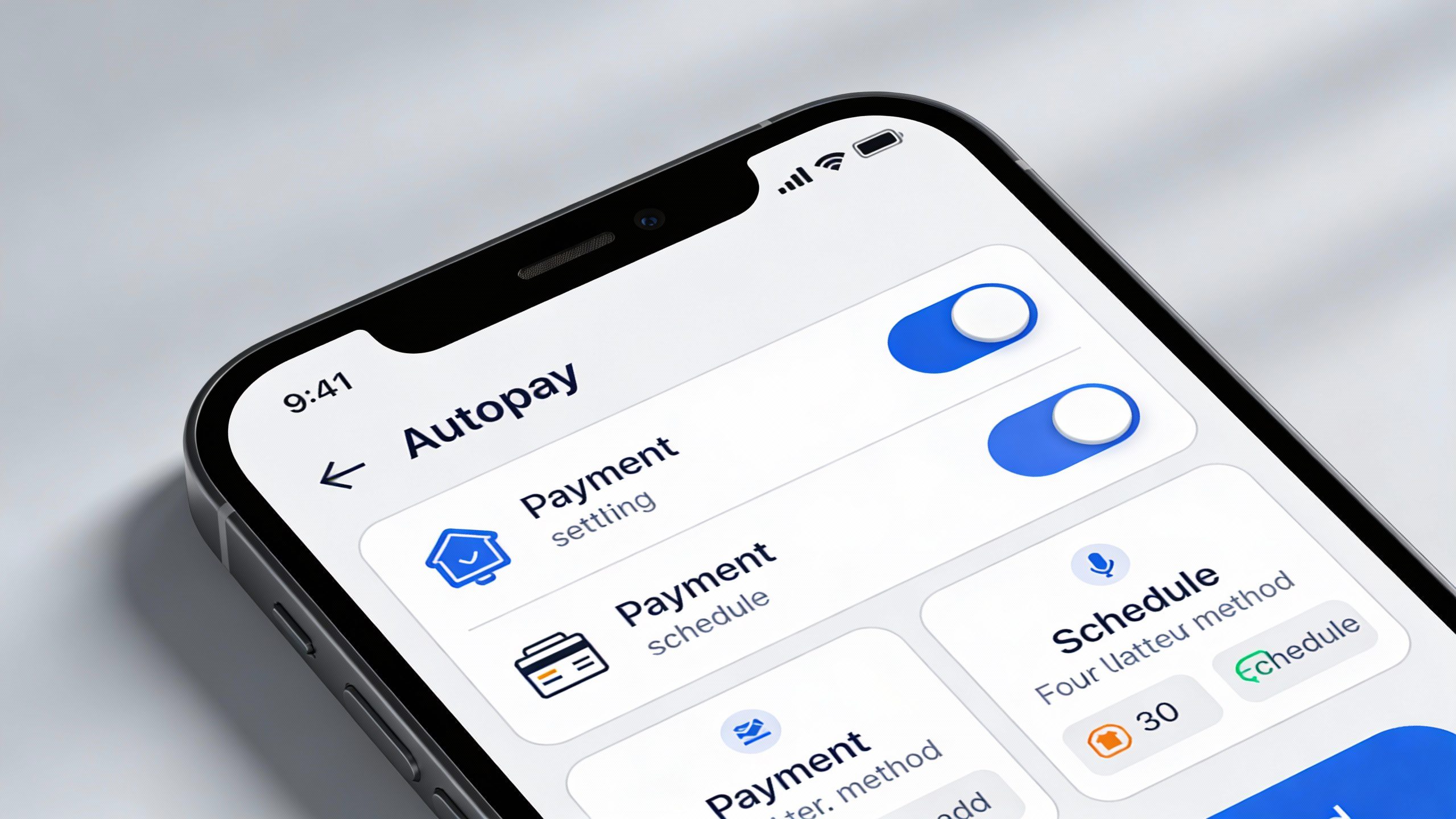
Your future self is unreliable. You *say* you’ll transfer money to savings, but then Netflix drops a new season, and suddenly, your good intentions vanish. The fix? Automate your finances like you’re on autopilot.
- Direct deposit splits: Have your paycheck send a chunk straight to savings before you even see it. Out of sight, out of mind—and out of spending range.
- Auto-transfers: Set up recurring transfers from checking to savings. Even $20 a week adds up, and you won’t miss what you never had.
- Bill autopay: Avoid late fees by automating bills. Just check your statements occasionally to make sure no sneaky charges slip in.
Bonus: The Lazy Investment Hack
If the stock market sounds like too much work, use apps like Acorns or Betterment. They round up your purchases and invest the spare change. You’re basically saving while buying coffee—zero effort required.
2. Cut Subscriptions You Don’t Even Use

You’re paying for that gym membership you last used in 2019, aren’t you? And that niche streaming service you signed up for because of *one* show? Time for a subscription purge.
- Audit your subscriptions: Check your bank statements or use an app like Truebill to find recurring charges. Cancel anything you forgot existed.
- Rotate streaming services: Binge-watch everything on Netflix, cancel, then switch to Hulu. No need to pay for all of them at once.
- Negotiate bills: Call your internet or phone provider and ask, “Hey, got any discounts?” They’ll often knock $10–$20 off just to keep you around.
3. Grocery Hacks for the Chronically Lazy

Cooking every meal sounds exhausting, and Uber Eats is a budget killer. Here’s how to eat cheap without becoming a meal-prep fanatic.
- Buy frozen or canned: Fresh veggies spoil; frozen ones don’t. Same nutrients, zero guilt when they sit in your freezer for months.
- Stick to a list: Impulse buys wreck budgets. Order groceries online for pickup—you’ll avoid aisle temptations and save time.
- Leftovers are your friend: Cook once, eat twice (or thrice). Bonus: fewer dishes to wash.
The Lazy Meal Plan
Pick 2–3 easy meals (think pasta, stir-fry, or slow-cooker recipes) and rotate them. No gourmet skills needed, and you’ll waste less food.
4. Stop Paying Full Price for Anything

Coupon clipping is a nightmare, but there are easier ways to never pay retail again.
- Browser extensions: Honey or Rakuten automatically apply promo codes at checkout. You don’t even have to Google “discount code 2024.”
- Buy used: Facebook Marketplace, eBay, and thrift stores have everything from furniture to electronics for half the price. Pro tip: negotiate—people often lower prices just because you asked.
- Wait for sales: Most things go on sale eventually. If you don’t *need* it now, hold off.
5. Make Your Bank Do the Work
Banks love fees, but you can flip the script.
- High-yield savings accounts: Regular savings accounts pay pennies. Online banks like Ally or Marcus offer way better interest rates—your money grows while you snooze.
- Cashback cards: Use a card that gives 1–3% back on everything. Pay it off monthly, and it’s free money. Just don’t fall into the debt trap.
- Overdraft protection: Turn it off. Those $35 fees add up fast when you forget your balance.
6. The “Do I Really Need This?” Filter
Lazy saving is about avoiding unnecessary spending, not deprivation. Before buying anything non-essential, ask:
- Will I use this more than once?
- Can I borrow/rent it instead?
- Will I even remember owning it in six months?
If the answer is “no,” skip it. Your wallet (and future lazy self) will thank you.
FAQ
What if I’m too lazy to even automate my savings?
Start small. Ask your bank to set up *one* auto-transfer. Once it’s done, you never have to think about it again. Future you gets a financial high-five.
How do I stop impulse shopping?
Implement a 24-hour rule. See something you “need”? Wait a day. Most of the time, the urge passes, and you’ll forget about it.
Is it worth saving small amounts?
Absolutely. $5 here and $10 there add up faster than you think. IMO, treating savings like a game (“How much can I stash without noticing?”) makes it less painful.
What’s the easiest way to track spending?
Use an app like Mint or your bank’s built-in tools. They categorize spending for you—no manual entry required. FYI, you’ll probably cringe at how much you spend on snacks.
Can I still eat out and save money?
Yes! Limit takeout to 1–2 times a week, or opt for lunch specials instead of dinner (same food, lower prices). Or—get this—split an entrée with a friend.
Conclusion
Saving money doesn’t have to mean spreadsheets, deprivation, or giving up your lazy ways. Automate, cut the fluff, and let technology do the heavy lifting. The less you have to think about it, the more you’ll save. Now go forth and be gloriously, frugally lazy.