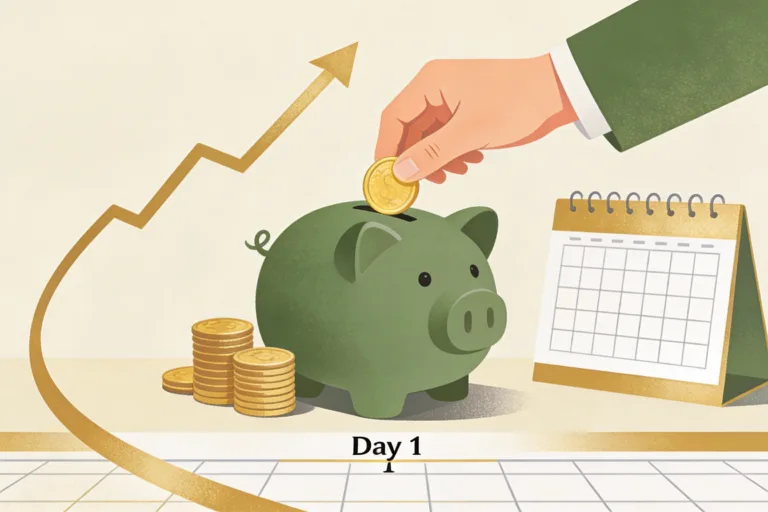

Investing vs Saving Explained for Beginners
Got money sitting in a savings account earning pennies? Or maybe you’re throwing cash at stocks like they’re lottery tickets? Both saving and investing have their place—but mix them up, and you could either miss out on growth or wake up in a cold sweat after a market crash. Let’s break it down without the finance bro jargon.
Saving: Your Financial Safety Net

Saving is the slow-and-steady cousin of personal finance. It’s boring, reliable, and absolutely essential. Think of it as your money’s cozy blanket fort—safe, liquid, and ready for emergencies.
Why save? Three big reasons:
- Emergency fund: Because life loves curveballs (car repairs, sudden job loss, that impulse trip to Belize).
- Short-term goals: Saving up for a vacation, a down payment, or a new laptop? Keep it in cash.
- Zero risk: Your money won’t disappear if the stock market implodes.
But here’s the catch: savings accounts pay next to nothing in interest. Inflation eats your money’s buying power over time. That’s where investing comes in.
Where to Park Your Savings
Not all savings options are created equal:
- High-yield savings accounts: Pays ~4-5% APY (way better than your bank’s 0.01% “special” rate).
- Money market accounts: Similar to savings but sometimes comes with debit card access.
- CDs (Certificates of Deposit): Lock up your cash for a fixed term for slightly higher interest. Penalties apply if you bail early.
Investing: Making Your Money Work Harder

Investing is where you trade safety for growth. Instead of your cash collecting dust, you buy assets (stocks, bonds, real estate, etc.) that (hopefully) increase in value over time.
The upside? Historically, the stock market averages ~7-10% annual returns long-term. The downside? Volatility. Your portfolio might drop 20% in a year—or soar 30%.
Why Invest? (Besides Avoiding Ramen Retirement)
- Beat inflation: If your money grows slower than inflation, you’re effectively losing buying power.
- Wealth building: Compound interest turns small, regular investments into serious cash over decades.
- Passive income: Dividends, rental properties, or selling covered calls can generate extra cash flow.
Saving vs Investing: When to Do Which

The real magic happens when you use both strategically. Here’s the cheat sheet:
- Save first: Build an emergency fund (3-6 months of expenses) before investing a dime.
- Invest for long-term goals: Retirement, a house in 10+ years, or your future alpaca farm? That’s investing territory.
- Save for short-term needs: If you’ll need the money within 5 years, keep it liquid.
The Risk Tolerance Test
Ask yourself: Would I panic-sell if my portfolio dropped 30% tomorrow? If yes, stick with safer investments (bonds, index funds). If you’d shrug and buy more, you can handle riskier plays.
Common Mistakes (And How to Avoid Them)

People screw this up ALL the time. Don’t be them.
Mistake #1: Hoarding cash long-term.
Keeping $50k in savings for “someday” while inflation gnaws at it? Oof.
Mistake #2: Investing money you’ll need soon.
Putting your house down payment in crypto? Bold move. Also, a terrible one.
Mistake #3: Ignoring fees.
High expense ratios or advisor fees can devour your returns. Low-cost index funds FTW.
FAQ: Your Burning Questions, Answered
How much should I save before investing?
At least enough to cover 3-6 months of living expenses. No emergency fund? You’re one flat tire away from credit card debt.
Is investing risky if I’m clueless?
Start simple: low-cost index funds (like S&P 500 ETFs) or robo-advisors. You don’t need to day-trade to win.
Can I save and invest at the same time?
Absolutely! Split your cash flow. Example: 70% toward savings until you hit your emergency fund, 30% into investments.
What if the stock market crashes?
Unless you’re retiring tomorrow, keep calm. Markets rebound. Selling low = locking in losses.
How do I know if I’m saving too much?
If your savings account grows faster than your investments and you’re not planning a big purchase soon, you’re probably overdoing it.
Should I pay off debt first?
Depends on the interest rate. Credit card debt at 20%? Pay that off ASAP. Student loans at 3%? Invest while making minimum payments.
Final Thoughts: It’s Not Either/Or
Saving and investing aren’t rivals—they’re teammates. Save for stability, invest for growth. The trick is balancing both based on your goals and timeline.
And hey, if all else fails, remember Warren Buffett’s advice: “Don’t save what’s left after spending; spend what’s left after saving.” Now go make your money hustle.