
Investing Mistakes Beginners Don’t Realize They’re Making
You want to invest without stepping on every possible rake? Great start. Investing doesn’t need to feel like defusing a bomb with oven mitts. You just need to avoid a few classic mistakes that trip up almost everyone at the beginning. Let’s run through the biggest blunders and how to dodge them with the grace of a cat that totally meant to fall off the couch.
Chasing Hot Tips and Trendy Stocks
We all love a shiny object. Meme stocks pop, crypto rockets, your cousin’s barber swears a penny stock will “go to the moon.” Tempting? Sure. Smart? Usually not. Chasing hype turns your money into a lottery ticket, and that’s not investing—that’s entertainment.
Why hype sucks for returns
– You buy high because you heard the story after it went viral.
– You panic-sell when the hype fades and the price drops.
– You repeat the cycle because FOMO is real and persuasive.
What to do instead
– Build a core portfolio using diversified low-cost index funds or ETFs.
– If you must scratch the speculation itch, cap it: 5-10% of your portfolio max for “fun money.”
– Set rules: no buying solely because a celebrity, influencer, or Reddit thread said so.
Not Having a Plan (aka Freestyling Your Future)
Investing without a plan is like grocery shopping hungry without a list. You’ll end up with marshmallows and regret. A plan keeps you consistent, especially when markets throw a tantrum.
Craft a simple investment plan
– Define your goals: retirement, house down payment, kid’s college, financial freedom, or “I just don’t want to work forever.”
– Set timelines: short-term (1-3 years), mid-term (3-10), long-term (10+).
– Decide your mix: stocks for growth, bonds/cash for stability. Example: 80/20 for long-term, 60/40 for mid-term.
– Pick vehicles: index funds, ETFs, a target-date fund for simplicity.
Write it down (seriously)
– Put your allocation, contribution amount, and rebalancing schedule in a note.
– Commit to it. Markets will test your patience and your plan will keep you from panicking.
Focusing on Returns and Ignoring Risk
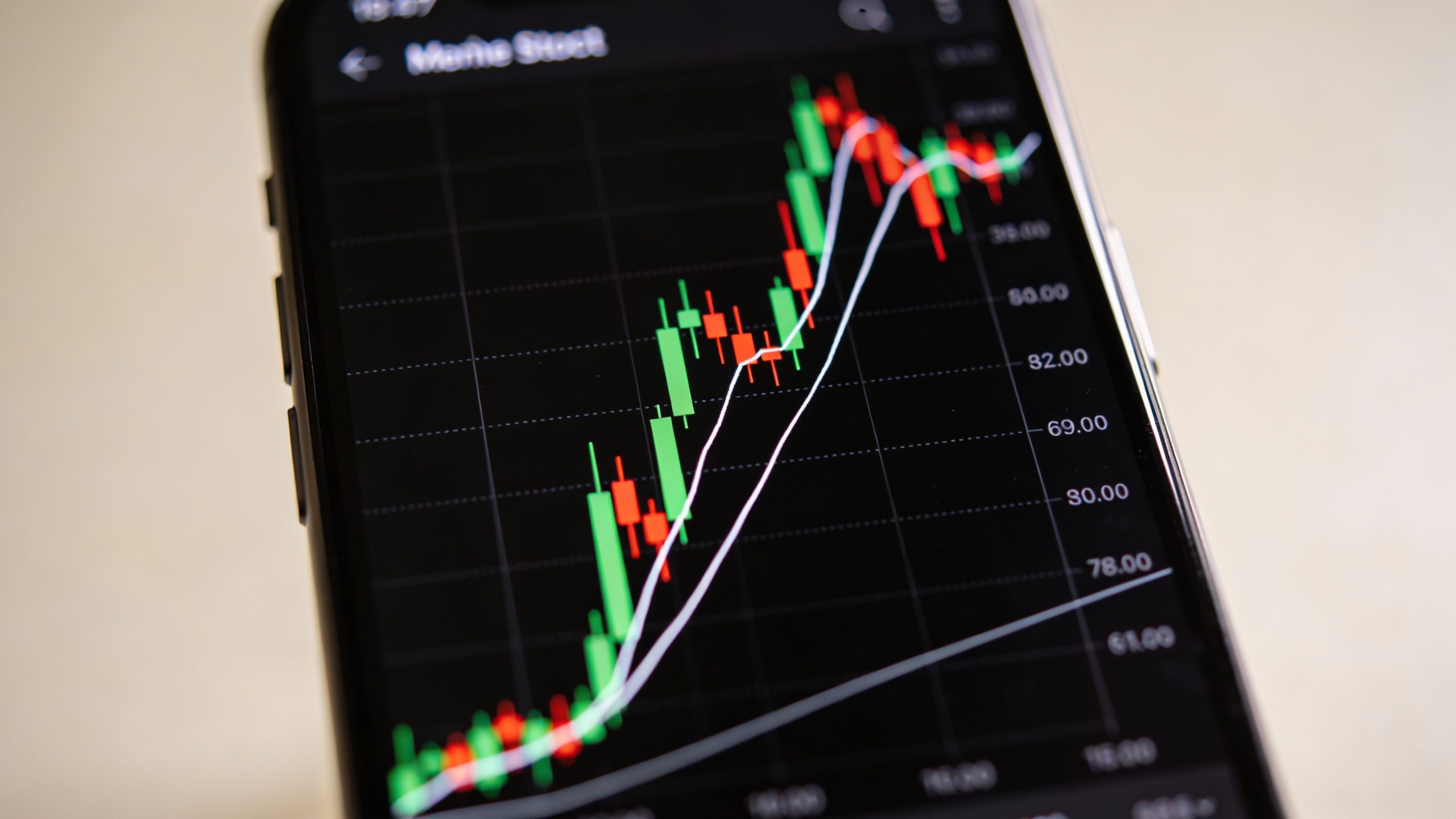
Everyone loves a chart that goes up and to the right. But returns don’t tell the whole story. Your stomach for volatility matters as much as your expected return. If you can’t sleep when your portfolio drops 20%, your allocation needs adjusting—not your melatonin dosage.
Know your risk tolerance
– Ask yourself: how would I feel if my investments fell 30% this year?
– If the answer is “I’d sell everything,” you need more bonds and cash.
– If the answer is “I’d buy more,” congrats—you probably handle a higher stock allocation.
How to balance risk and return
– Use a simple breakdown:
– Long-term (10+ years): more stocks (70-90%), less bonds.
– Mid-term (3-10 years): balanced (40-70% stocks depending on comfort).
– Short-term (0-3 years): mostly cash/high-yield savings or short-term bonds.
– Revisit annually. Your risk tolerance and goals will evolve.
Going All-In or All-Out (Market Timing Is a Trap)
People love to say, “I’ll just wait for a dip.” Spoiler: dips don’t RSVP. And when they come, they usually bring fear, not clarity. Market timing sounds smart and often works—right up until it doesn’t.
Why timing fails
– You need two perfect decisions: when to sell and when to buy back.
– Missing a few “best days” wrecks returns. Those often come right after the worst days.
– Emotions override logic when prices swing.
Use time, not timing
– Set up automatic monthly contributions (aka dollar-cost averaging).
– Invest on a schedule—no second-guessing.
– If you have a lump sum, IMO investing it sooner usually wins historically. Nervous? Split it into 3-6 monthly chunks.
Ignoring Fees and Taxes (Silent Portfolio Killers)
Fees don’t look scary. A 1% advisory fee sounds tiny, right? Over decades, 1% annually can eat a third or more of your long-term gains. Taxes also matter, and they hit hardest when you churn your portfolio.
Cut your fees
– Prefer low-cost index funds/ETFs (expense ratios under 0.20%; many are under 0.05%).
– If you use an advisor, understand the fee structure. Ask: “What’s my total annual cost, all-in?”
– Avoid frequent trading. Every click has a cost, even if commissions are $0.
Invest tax-smart
– Use tax-advantaged accounts first: 401(k), IRA, HSA if available.
– In taxable accounts, prefer tax-efficient index ETFs and hold longer than one year for lower capital gains rates.
– Use tax-loss harvesting when markets dip—sell losers, swap into a similar fund (not “substantially identical”), and bank the loss against future gains.
Skipping an Emergency Fund (Because Life Happens)

Before you invest, build an emergency fund. Yes, it’s boring. Yes, it saves your investments from being your ATM during a crisis. Cash buys you time and options.
How much is enough?
– 3-6 months of essential expenses if your income is stable.
– 6-12 months if your income fluctuates or you have dependents.
– Park it in a high-yield savings account or money market fund—easy access, minimal drama.
Over-Diversifying or Under-Diversifying (Pick a Lane)
Diversification keeps you from getting wrecked by one bad bet. But buying 47 overlapping funds doesn’t equal diversification. It equals confusion.
Simple, effective diversification
– A 3-fund portfolio can cover the world:
– US total stock market index
– International total stock market index
– US total bond market index
– Want even simpler? A target-date index fund that auto-adjusts your mix as you age.
Signs you’ve gone overboard
– You own multiple funds that hold the same top 10 stocks.
– You can’t explain why you own something.
– Your spreadsheet looks like a Jackson Pollock painting.
Reinventing the Wheel Instead of Using Automation
You don’t need willpower if you have automation. Automation removes feelings from the equation, which is great because feelings are… not great at investing.
Automate like a pro
– Set up automatic transfers from your bank to your brokerage.
– Auto-buy your chosen funds monthly.
– Auto-rebalance annually or semiannually if your broker offers it; if not, do it manually with new contributions.
Neglecting Rebalancing (Drift Happens)

Over time, your winners grow and your allocation drifts. No big deal for a year or two. Over a decade? You might wake up ultra-risky without realizing it.
Rebalance rules of thumb
– Check allocation 1-2 times a year.
– Rebalance if any part drifts by 5%+ from target.
– Use new money to nudge allocations first to avoid unnecessary taxes.
Comparing Yourself to Others (And Losing Focus)
Your friend’s portfolio doubled last year. Cool story. Did they take on way more risk? Did they get lucky? You only see the highlight reel. Comparison makes you impatient, and impatience kills compounding.
Play your own game
– Define success by progress toward your goals, not beating an index every quarter.
– Track contributions, savings rate, and time in the market.
– Celebrate milestones (net worth increases, debt paid off, new contribution records).
Ignoring Your Career and Cash Flow (The Unsexy Edge)
Hot take: your income growth matters more than your investment selection in the early years. An extra $500/month invested beats squeezing 0.2% more out of your portfolio.
Build the engine
– Negotiate raises, switch roles strategically, develop rare skills.
– Eliminate high-interest debt before going heavy into investments.
– Increase contributions every time your income ticks up—set a rule like “50% of raises go to investments.”
Misunderstanding What Stocks Actually Are
Stocks aren’t just tickers. They represent ownership in companies that earn profits and pay you through growth and dividends. When you invest in a broad index, you own pieces of thousands of companies. That perspective helps keep you calm during volatility.
Zoom out when it gets noisy
– Volatility is normal; crashes happen. Markets recovered from wars, inflation spikes, bubbles, and pandemics.
– The long-term trend of productive businesses: up.
– Time horizon matters. For long-term goals, the day-to-day drama doesn’t matter much.
Forgetting to Align with Your Values
If you hate oil companies or love clean tech or want to avoid certain industries, you can invest accordingly. You’ll feel more connected to your portfolio, which makes sticking to the plan easier.
How to invest with values without tanking returns
– Use ESG or socially responsible index funds that match your preferences.
– Check expense ratios—don’t overpay just for a fancy label.
– Keep the core principles: diversification, low costs, long time horizon.
Practical Starter Blueprint
Let’s turn all of that into a quick-start recipe you can actually use. This isn’t one-size-fits-all, but it’s a solid baseline you can tweak.
Step-by-step
- Build an emergency fund: 3-6 months of expenses in high-yield savings.
- Kill high-interest debt (credit cards, personal loans).
- Grab employer match in your 401(k) if you have one (free money—don’t leave it).
- Choose a core allocation:
- 80% stocks / 20% bonds for long-term goals if you can handle swings.
- 60% stocks / 40% bonds if you prefer smoother rides.
- Fill your core with low-cost index funds:
- US total market ETF
- International total market ETF
- Total bond market ETF
- Automate contributions monthly; increase them annually.
- Rebalance once or twice a year.
- Cap speculation at 5-10% of your portfolio, if at all.
Common Psychology Traps to Watch For
Your brain tries to sabotage you. Mine, too. Good news: you can spot the ambush and step around it.
Loss aversion
– Losses feel twice as painful as gains feel good. So you avoid risk or sell too soon.
– Counter: focus on process metrics (savings rate, time invested), not daily price moves.
Recency bias
– You assume recent trends will continue. They won’t, at least not reliably.
– Counter: stick to your written plan and rebalance.
Confirmation bias
– You seek information that confirms your view.
– Counter: read the bear case, ask “what would prove me wrong?”, diversify anyway.
Overconfidence
– A couple wins and suddenly you’re the main character in The Big Short 2.
– Counter: default to humility. Use broad indexes. Keep speculative bets tiny.
FAQs
How much money do I need to start investing?
You can start with as little as $50-$100 using fractional shares or low-minimum ETFs. The amount matters less than the habit. Consistent monthly investing beats waiting for “enough” to start.
What if the market crashes right after I invest?
Annoying? Yes. Fatal? No. If you invest for long-term goals, crashes become speed bumps. Keep contributing, rebalance if needed, and remember: time in the market usually beats perfect timing.
Should I pay off debt before investing?
Prioritize high-interest debt (think credit cards). After that, do both: invest for the match and keep paying debt. For low-interest debts like some student loans or mortgages, investing alongside repayment often makes sense, IMO.
Are individual stocks a bad idea for beginners?
Not necessarily, but they’re risky and require research. If you want to learn, keep it small (5-10% of your portfolio) and treat it as education. Keep your core in diversified funds.
How often should I check my portfolio?
Monthly is fine. Daily encourages drama. Quarterly check-ins for rebalancing and contributions work well. Set alerts for extreme moves if you must, but avoid doom-scrolling.
What if I started late—did I miss the boat?
Nope. The best time to plant a tree was 20 years ago; the second best time is today. Increase your savings rate, use tax-advantaged accounts, consider a slightly higher stock allocation if you can stomach it, and automate everything. FYI, starting now still beats waiting for “the perfect moment.”
Conclusion
You don’t need a finance degree, a Bloomberg terminal, or a crystal ball. You need a plan you’ll stick to, low costs, automation, and patience. Avoid the flashy mistakes—hype chasing, market timing, neglecting fees—and lean into boring, consistent habits. Do that, and future-you will send present-you a thank-you card (and maybe a beach selfie, IMO).