How to Build a Consistent Investing Habit
Most people know they should invest, but actually doing it? That’s where things fall apart. Building an investment habit isn’t about having a finance degree or insider knowledge—it’s about small, consistent actions that turn into second nature. Think of it like brushing your teeth, but for your wallet. Let’s break down how to make investing something you do without even thinking about it.
Start So Small It Feels Ridiculous
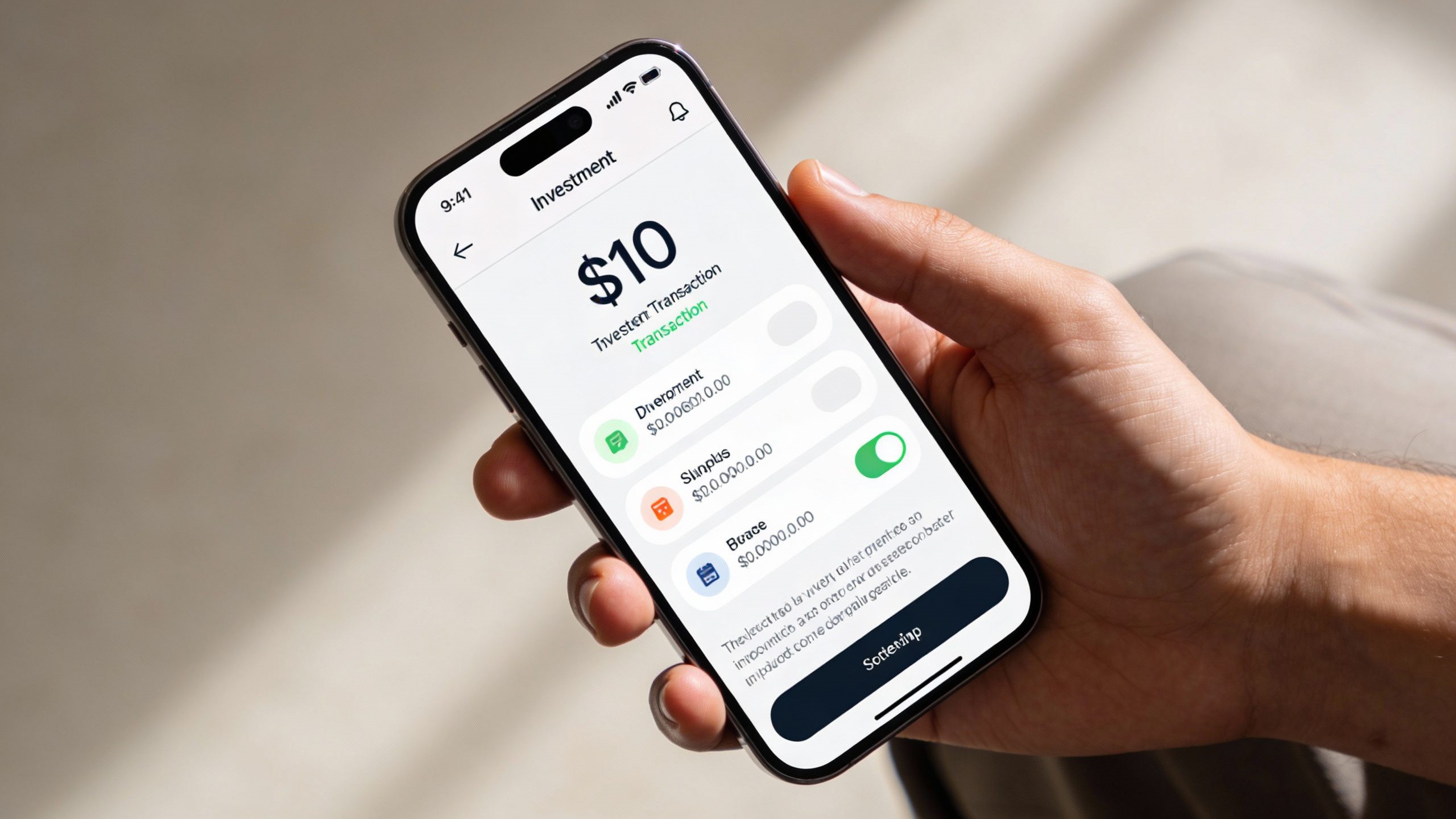
The biggest mistake people make? Waiting for the “perfect” moment to invest. Spoiler: It doesn’t exist. The secret? Start with an amount so tiny it’s laughable—$5, $10, whatever. The goal isn’t to get rich overnight (because, LOL), it’s to build the habit.
Why Tiny Wins Matter
Small wins trick your brain into enjoying the process. If you invest $10 and see it grow to $10.50, congrats—you’re officially an investor. That dopamine hit? It’ll make you want to do it again.
Apps That Make It Painless
- Acorns: Rounds up your spare change and invests it.
- Robinhood: Lets you buy fractional shares (so you can own a slice of Amazon for $5).
- Stash: Suggests investments based on your interests (yes, even “I like space” counts).
Automate Like You’re a Robot (Because Willpower Fails)
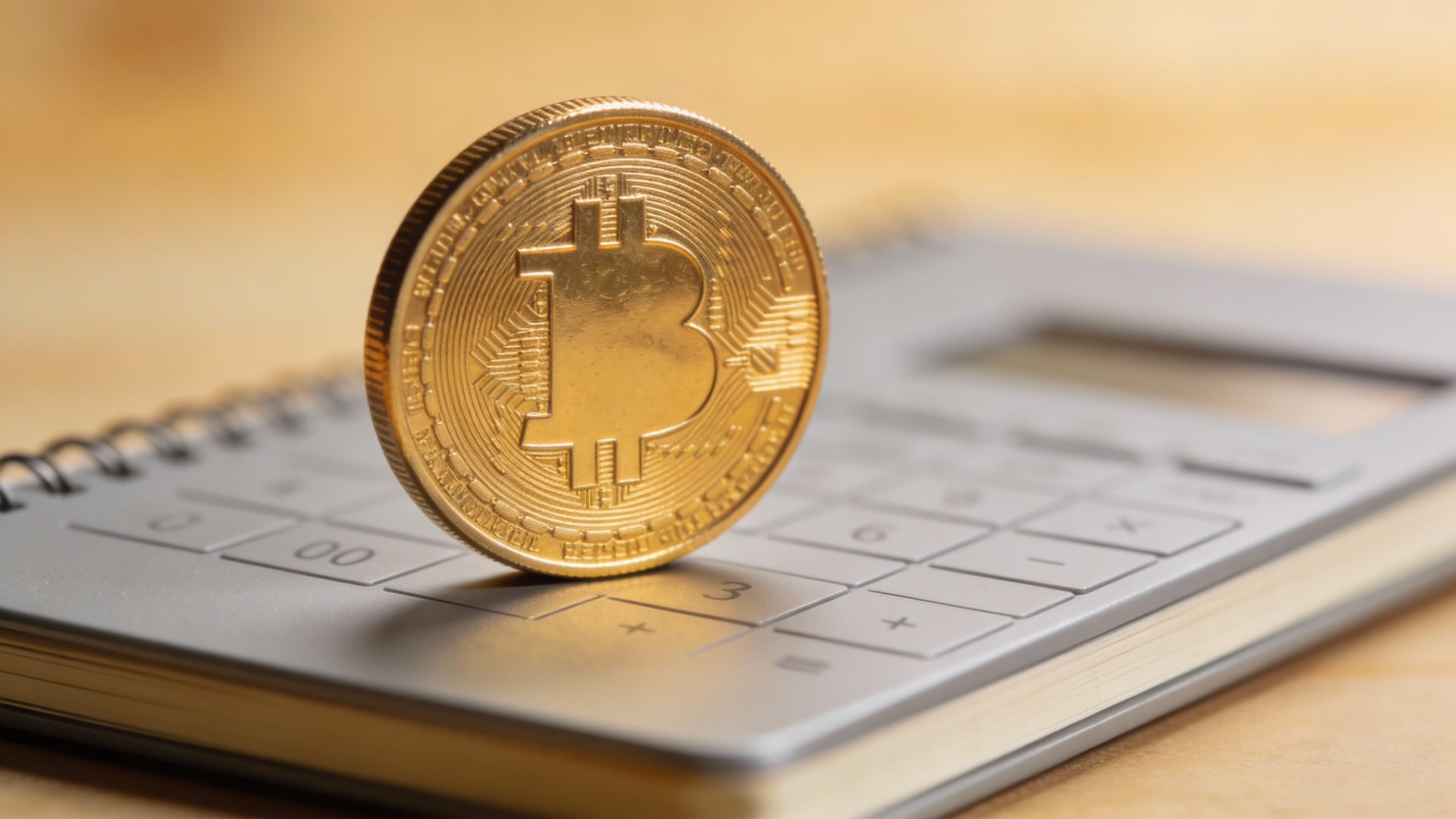
Relying on motivation to invest is like relying on a chocolate fountain for a balanced diet—it won’t end well. Automation is your best friend here.
- Set up automatic transfers from your checking to your investment account right after payday.
- Use employer-sponsored plans like a 401(k) if available—free money (aka employer matches) is the best money.
- Schedule recurring investments in ETFs or index funds. “Set it and forget it” is the VIP strategy.
Stop Obsessing Over the “Right” Investment

New investors waste months stressing over which stock or fund to pick. IMO, that’s like refusing to exercise until you find the “perfect” gym outfit. Just start.
The Lazy (But Genius) Portfolio
If analysis paralysis hits, try this:
- Put 60% in a total US stock market ETF (like VTI).
- Put 30% in an international ETF (like VXUS).
- Put 10% in bonds (like BND).
Boom. You’re diversified without breaking a sweat.
Turn Learning Into a Game
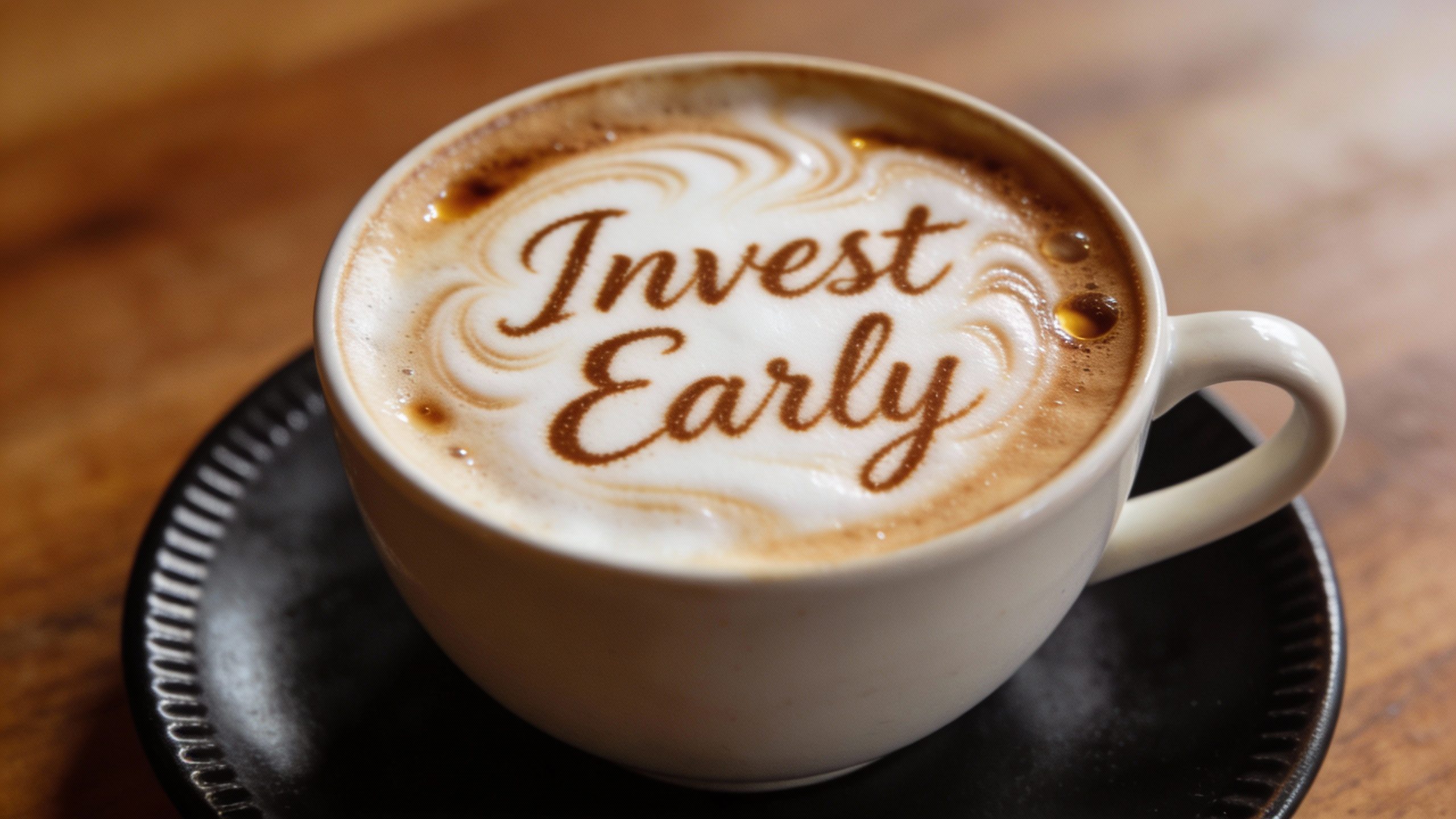
Investing education doesn’t have to be a snooze fest. Make it fun:
- Follow finance memes (yes, they exist—@Litquidity on Twitter is gold).
- Play stock market simulator games (like MarketWatch’s Virtual Stock Exchange).
- Listen to entertaining finance podcasts (Invest Like the Best or The Compound and Friends).
Celebrate the Boring Stuff
Investing isn’t glamorous. The real wins come from consistency, not picking the next Tesla. So:
- Reward yourself for hitting milestones (e.g., “I invested $1,000 total—time for a fancy coffee”).
- Track progress visually (a simple spreadsheet or app like Personal Capital works).
- Ignore the noise—90% of financial news is just drama for clicks.
FAQ: Quick Answers to Dumb Questions (That Aren’t Actually Dumb)
How much should I invest each month?
Start with 1-5% of your income. Even $50/month adds up over time. The key? Increase it gradually as you get comfortable.
What if the market crashes?
Good news: If you’re investing regularly, crashes mean you’re buying stocks on sale. Panicking and selling? That’s how you lose money.
Do I need a financial advisor?
Not unless you have serious cash (like $500k+). For most people, low-cost index funds and a little reading will do the trick.
How do I know if I’m doing it right?
Are you investing consistently without stressing? Congrats, you’re winning. Perfection is overrated.
Just Keep Going
Building an investment habit is less about genius moves and more about showing up, like flossing or pretending to enjoy Zoom calls. Start small, automate everything, and don’t overthink it. The magic happens when you stop treating investing as a “someday” thing and make it a “today” thing. Now go throw $10 into an ETF and pat yourself on the back—you’re officially an investor.