
Investing for Beginners Explained Simply
Money feels confusing at first. Investing feels even worse. One minute someone says “just buy stocks,” and the next minute another person yells “the market is crashing!” 😅
If you ever stared at your bank balance and thought, “I should invest… but also I don’t want to mess this up,” you’re in the right place.
I remember feeling the same way. I wanted my money to grow, not sit around doing nothing, but I also didn’t want to accidentally gamble my rent money. So let’s talk—friend to friend—and get investing for beginners explained in a way that actually makes sense.
What Investing Really Means (No Fancy Jargon)

Investing sounds intimidating, but the idea stays shockingly simple.
Investing = Putting Your Money to Work
When you invest, you use your dollars to buy assets that can grow over time. Instead of letting cash chill in a savings account earning pennies, you give it a job.
Think of it like this:
- Saving keeps your money safe
- Investing helps your money grow
Ever wondered why rich people obsess over investments? They don’t work harder; their money does. Kinda unfair, right?
Why Investing Matters (Especially If You’re Not Rich)
You don’t need six figures to invest. You need consistency and patience.
Inflation Is the Silent Wallet Thief
Prices rise every year. Coffee costs more. Rent costs more. Groceries absolutely cost more.
If your money sits still, inflation slowly eats its value.
Investing helps you:
- Beat inflation
- Build long-term wealth
- Avoid working forever (a personal favorite)
IMO, not investing feels riskier than investing. Crazy, but true.
Common Investing Myths That Scare Beginners Away
Let’s clear the nonsense before it scares you off.
“I Need a Lot of Money to Start”
Nope. You can start with $10, $25, or $100. Apps made investing ridiculously accessible.
“Investing Is Just Gambling”
Casinos rely on luck. Investing relies on time, strategy, and patience. Big difference.
“I’ll Lose Everything”
You only lose everything if you panic, sell at the worst time, and ignore basic rules. We won’t do that 🙂
The Basic Types of Investments (Explained Like a Human)
Here’s where beginners usually panic. Relax. We’ll keep this simple.
Stocks
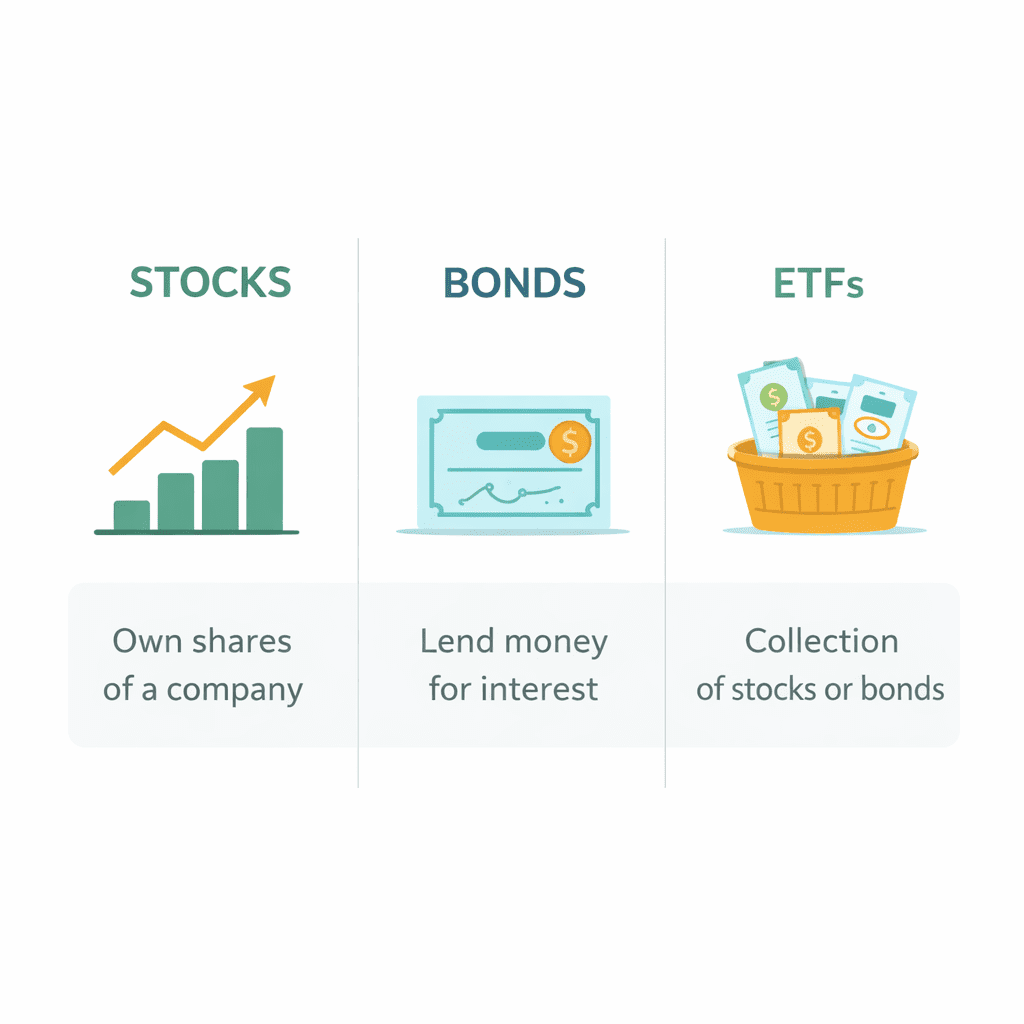
When you buy a stock, you own a piece of a company.
If the company grows, your investment grows.
Pros:
- High growth potential
- Easy to buy and sell
Cons:
- Prices move up and down a lot
I started with stocks because they felt exciting—and yes, terrifying at first.
Bonds
Bonds work like IOUs. You lend money, and the borrower pays you interest.
Pros:
- More stable than stocks
- Predictable income
Cons:
- Lower growth
Bonds won’t make you rich overnight, but they help you sleep better at night.
Mutual Funds & ETFs (Beginner Favorites)
These bundle lots of stocks or bonds together. One purchase gives you instant diversification.
Why beginners love them:
- Lower risk than individual stocks
- Easy diversification
- Minimal effort
If you want investing for beginners explained in one sentence: Buy diversified funds and chill.
Risk: The Thing Everyone Fears (But Should Understand)
Risk sounds scary because people explain it badly.

Risk Means Ups and Downs, Not Doom
Markets move. They always have. They always will.
Key truth:
- Short-term risk feels uncomfortable
- Long-term investing reduces risk
Ever noticed how market crashes look tiny on a 30-year chart? That perspective changed everything for me.
Time in the Market Beats Timing the Market
This one deserves bold letters.
You can’t consistently predict the market.
Anyone who claims otherwise probably sells courses.
What Actually Works
- Invest regularly
- Stay invested
- Ignore daily noise
People who wait for the “perfect time” usually miss the best opportunities. FYI, the perfect time doesn’t exist.
How Compound Interest Quietly Makes You Rich
This part feels boring until it blows your mind.
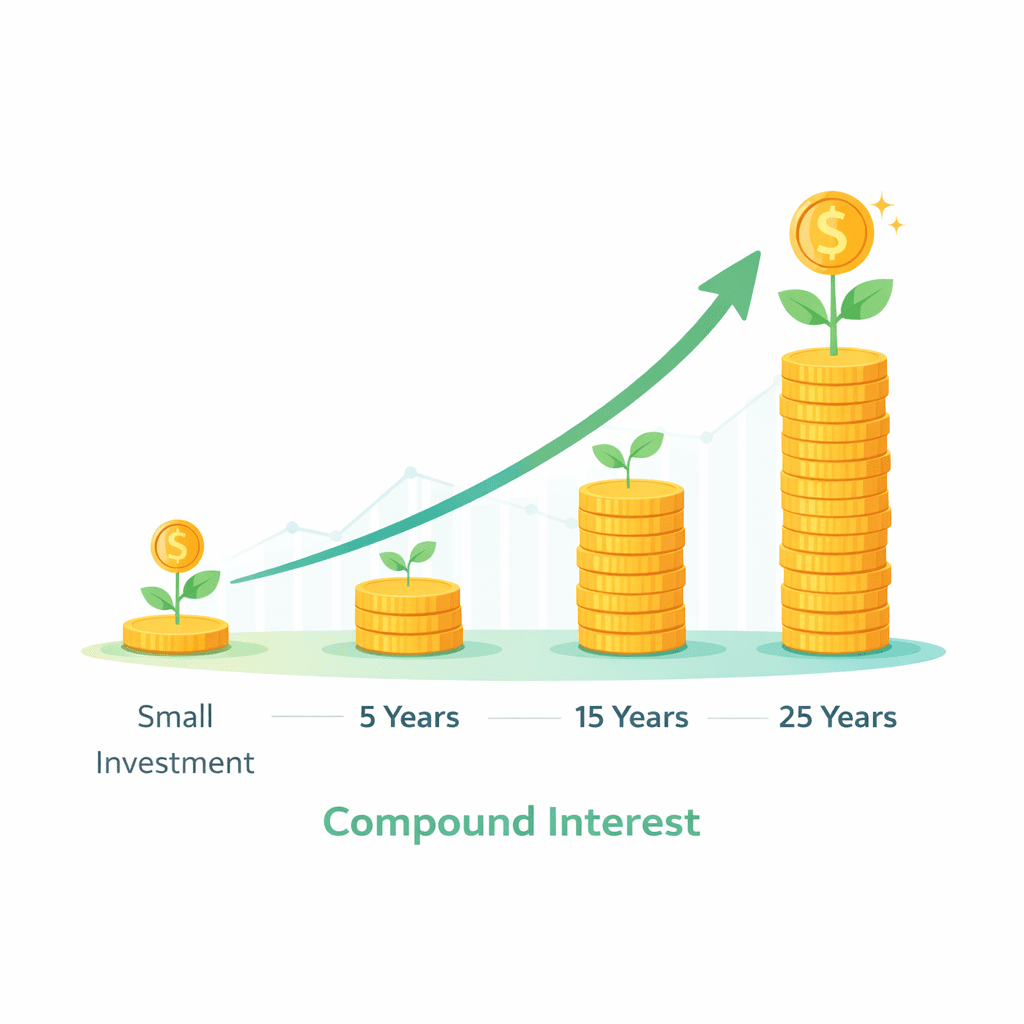
Small Money + Time = Big Results
If you invest $300 a month:
- Over 10 years: solid progress
- Over 30 years: wow
Compound interest means you earn returns on your returns. Your money starts growing faster without extra effort.
Ever wondered why starting early matters more than investing more? This is why.
How to Start Investing (Step-by-Step, No Stress)
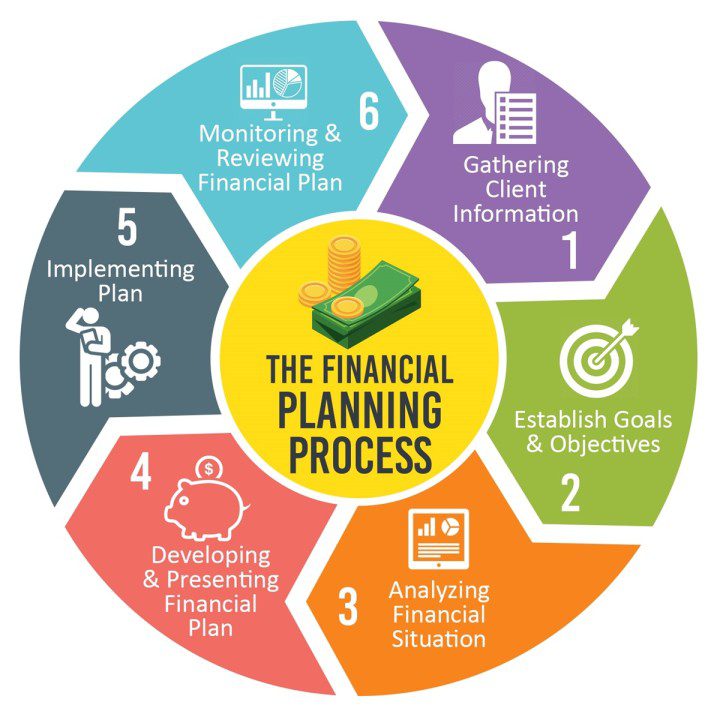
Let’s get practical.
Step 1: Build a Small Safety Net
Before investing, save 3–6 months of expenses.
This keeps you from panic-selling later.
Step 2: Choose a Beginner-Friendly Platform
Look for:
- Low fees
- Easy interface
- Fractional shares
If a platform confuses you, skip it. Investing should feel boring, not stressful.
Step 3: Start With Simple Investments
Beginner-friendly options:
- Total market ETFs
- S&P 500 index funds
- Target-date funds
I personally started here and avoided analysis paralysis.
How Much Should Beginners Invest?
Short answer: What you can afford consistently.
A Simple Rule
- Start small
- Increase over time
- Stay consistent
Even $50 a month beats $0. Waiting for “more money later” delays everything.
Emotional Mistakes Beginners Always Make
Let’s talk feelings, because money messes with emotions.
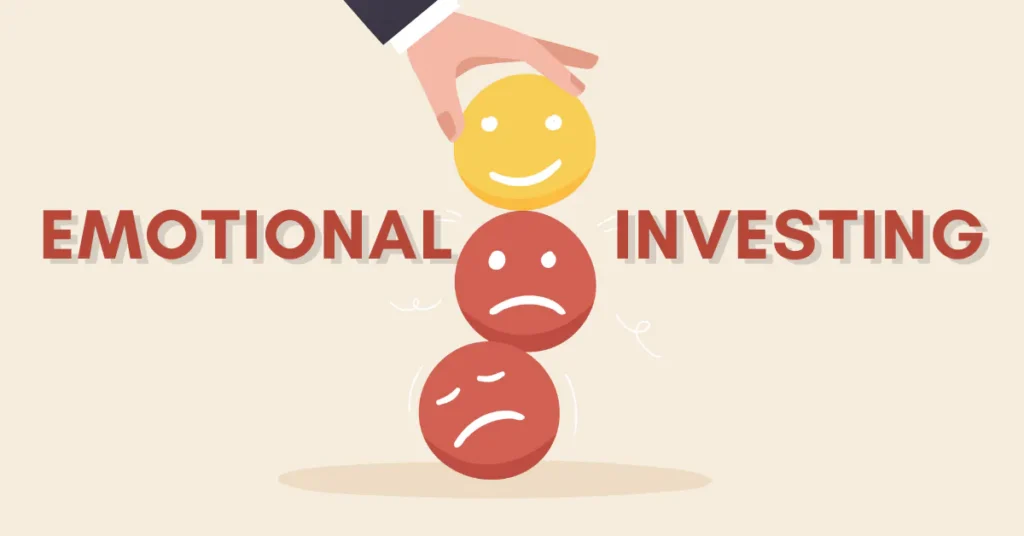
Panic Selling
Markets drop. Headlines scream. Beginners sell.
Then markets recover… without them.
Chasing Trends
If everyone talks about it, you’re probably late.
Slow and boring usually wins.
I learned this the hard way once. Once was enough :/
Long-Term Investing vs Short-Term Trading
People mix these up constantly.
Long-Term Investing
- Years or decades
- Lower stress
- Better odds
Short-Term Trading
- High stress
- Requires experience
- Easy to mess up
If you want peace of mind, long-term investing wins every time.
Do You Need a Financial Advisor?
Sometimes yes. Often no.
You Might Not Need One If:
- You invest in simple funds
- You follow basic rules
- You stay consistent
Robo-advisors work well for beginners who want hands-off investing.
Taxes and Investing (The Quick Version)
Nobody loves taxes, but ignoring them hurts.
Basic Things to Know
- Capital gains taxes apply when you sell
- Long-term gains usually get taxed less
- Tax-advantaged accounts help
Understanding taxes early saves future headaches.
Investing for Beginners Explained in One Mindset Shift
Stop trying to be perfect. Start trying to be consistent.
You don’t need:
- Market predictions
- Insider tips
- Fancy strategies
You need:
- Time
- Patience
- A simple plan
That’s it. Seriously.
Final Thoughts: Just Start, Even If You Feel Nervous

Investing feels scary before you begin. Then it feels normal. Then it feels empowering.
You don’t need to know everything. You need to take the first step and keep going.
Your future self will thank you—probably while sipping expensive coffee paid for by compound growth ☕😄
If you remember one thing from this guide on investing for beginners explained, remember this:
Start small. Stay consistent. Let time do the heavy lifting.
Ready to make your money work a little harder? You’ve got this. 💪💰