
Investing Basics Beginners Should Know
So you’re thinking about investing. Nice. That already puts you ahead of a huge chunk of people who keep their money parked in a savings account and wonder why it never seems to grow. I remember when I first Googled investing basics for beginners—I felt excited, confused, and mildly convinced I was about to lose all my money. Fun times.
Here’s the good news: investing doesn’t require a finance degree, a suit, or yelling at stock charts all day. You just need a few core ideas, some patience, and the ability to ignore noise. Sound doable? Cool. Let’s talk.
What Investing Actually Means (No Jargon, Promise)
Investing vs. Saving: Not the Same Thing
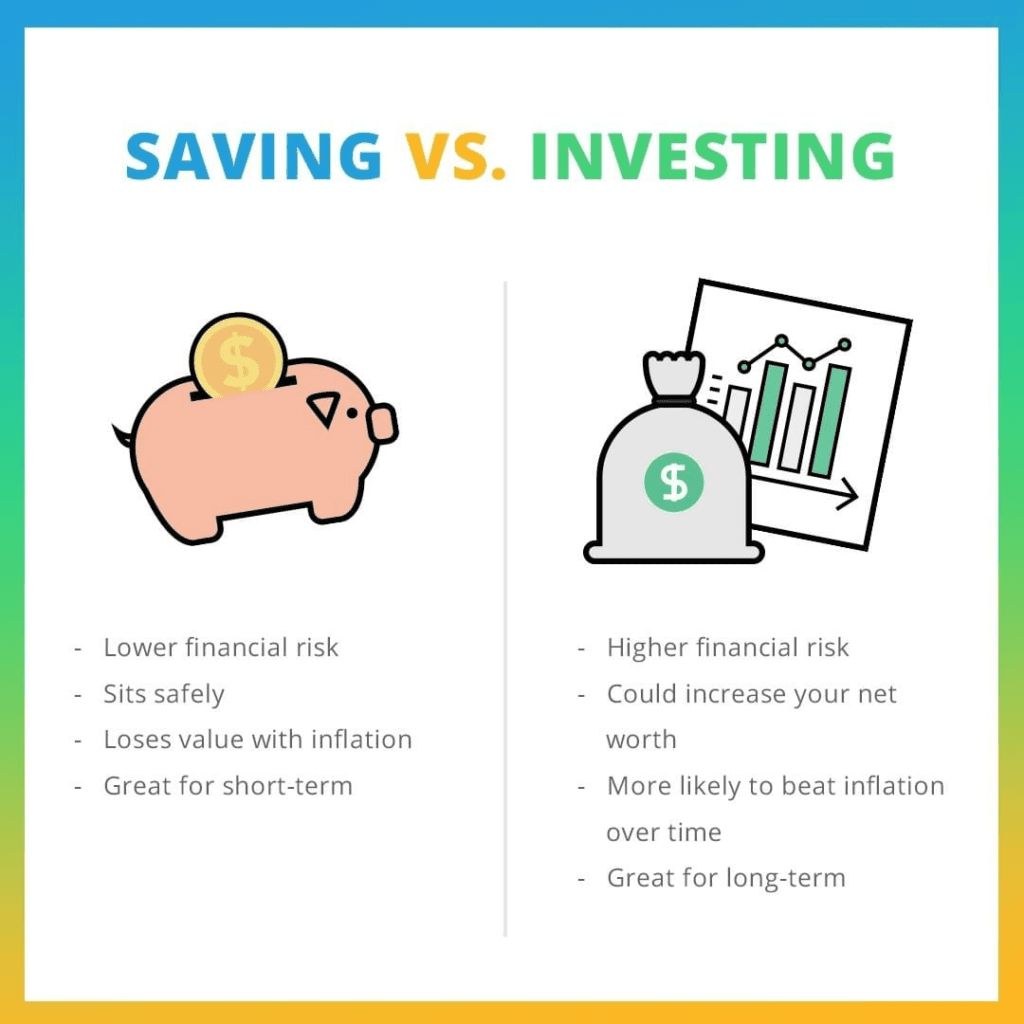
People mix these up all the time, and honestly, I get why. Both involve money and responsibility, which already feels rude. But saving and investing play very different roles.
Saving means:
- You stash money somewhere safe
- You plan to use it soon
- You earn very little interest
Investing means:
- You put money to work
- You aim for long-term growth
- You accept some ups and downs
Think of saving as protection and investing as growth. I save for emergencies. I invest to build wealth. Simple.
Why Investing Matters (Like, Actually Matters)
Ever noticed how prices keep going up while your paycheck politely crawls? That’s inflation doing its thing. Investing helps your money grow faster than inflation, which matters if you want future-you to enjoy life.
IMO, investing equals freedom. More choices. Less stress. And yes, better vacations.
Start With Your “Why” Before Your First Dollar
What Are You Investing For?
Before you buy anything, ask yourself a simple question: Why am I investing?
Your answer shapes everything.
Common goals include:
- Retirement (aka future you with snacks and no alarm clock)
- Buying a home
- Financial independence
- Building long-term wealth
I started investing because I wanted options. I didn’t want money to decide my life. Dramatic? Maybe. Effective? Definitely.
Time Horizon Changes Everything
Your time horizon equals how long you plan to stay invested.
- Short-term (1–3 years): Investing feels risky
- Long-term (10+ years): Investing feels smart
The longer you invest, the more mistakes the market forgives. That fact alone should calm your nerves.
The Core Investment Types You Should Know
Stocks: Ownership With Attitude
When you buy a stock, you own part of a company. That’s it. No mystery.
Why I like stocks:
- Strong long-term growth
- Easy access through apps
- Real ownership
Why stocks scare people:
- Prices move daily
- Headlines love drama
Stocks reward patience, not panic. I learned that the hard way.
Bonds: The Calm Friend in the Group
Bonds feel boring, and that’s kind of their charm. You lend money and earn interest.
Bonds usually:
- Move less than stocks
- Offer steady income
- Reduce portfolio stress
I use bonds like shock absorbers. They keep me from freaking out during market chaos.
ETFs: Beginner-Friendly MVPs
If investing had a cheat code, ETFs would be it. They bundle many investments into one.
ETFs offer:
- Built-in diversification
- Low costs
- Easy buying and selling
FYI, most beginners do great with ETFs alone. Fancy strategies can wait.
Risk, Reward, and Why Panic Is Expensive

Risk Isn’t the Enemy
People treat risk like a monster hiding under the bed. But risk just means uncertainty.
Higher risk usually brings:
- Bigger ups
- Bigger downs
Lower risk usually brings:
- Slower growth
- More stability
Your job isn’t to avoid risk. Your job involves managing it.
Diversification Saves Sanity
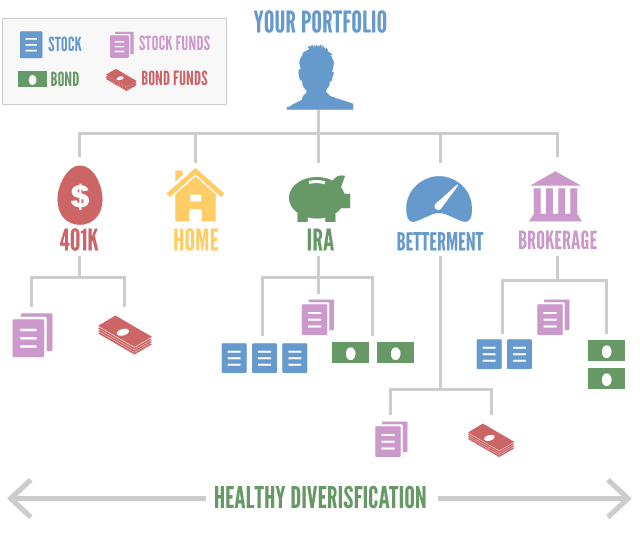
Diversification means you don’t put all your money in one place.
A diversified portfolio:
- Spreads risk
- Smooths returns
- Reduces emotional stress
When one investment struggles, another often shines. Balance feels nice, right?
Compound Interest: The Real Hero of Investing
Why Time Beats Talent
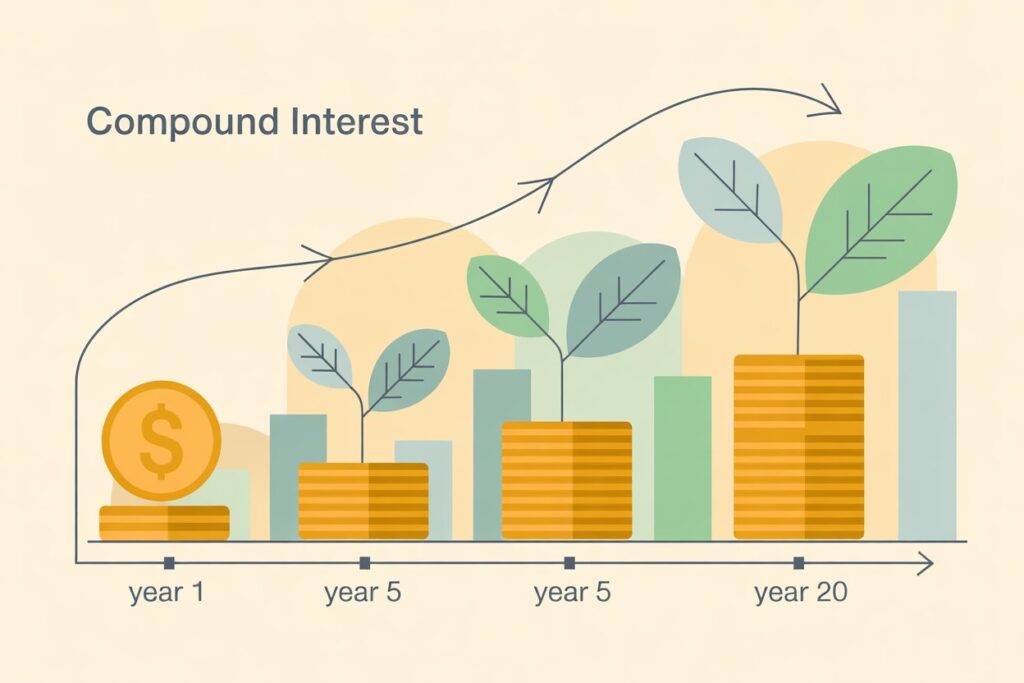
Compound interest sounds fancy, but it works like this: your money earns money, then that money earns more money.
Example:
- You invest $5,000
- It grows 7% yearly
- You reinvest earnings
Fast forward 30 years, and boom—magic math. Time does the heavy lifting, not genius stock picks.
Start Small, Start Now
I didn’t start big. Most people don’t. I started consistent.
Even $100 a month:
- Builds the habit
- Grows over time
- Beats waiting forever
Starting late hurts more than starting small. Trust me.
Emotions: The Silent Portfolio Killer
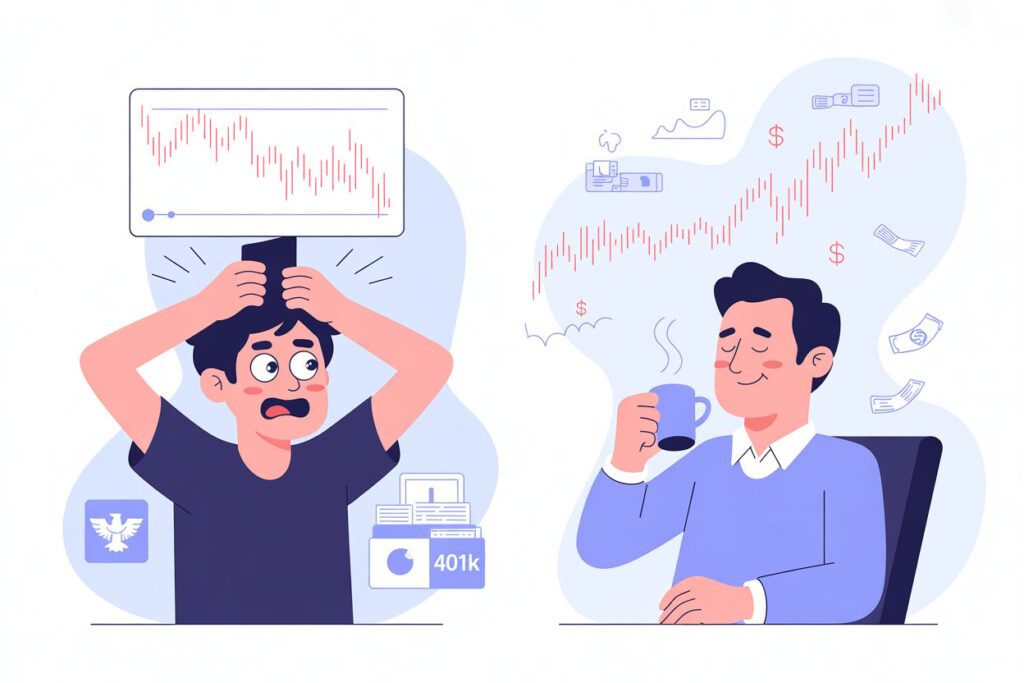
Fear and Greed Ruin Returns
Markets rise. Markets fall. Headlines scream. Twitter panics. Your emotions want action.
Common emotional mistakes:
- Selling during crashes
- Chasing hype stocks
- Overchecking your account
I’ve done all three. None felt smart later.
How I Stay Sane
Here’s what helps me:
- Long-term mindset
- Automated investing
- Less checking
Boring investing works best. Excitement belongs in hobbies, not portfolios 🙂
Common Beginner Mistakes (Learn From My Regrets)
Trying to Time the Market
People love asking, “Is now a good time to invest?”
My answer: Now beats later most of the time.
Market timing requires:
- Perfect predictions
- Emotional control
- Luck
I prefer math and consistency.
Overcomplicating Everything
Some beginners chase complex strategies too soon.
You don’t need:
- 20 stocks
- Daily trading
- Constant tweaking
You need:
- A plan
- Patience
- Discipline
Simple scales. Complicated breaks.
How to Build a Beginner-Friendly Investing Plan
Step-by-Step (No Stress Version)
Here’s a realistic approach that works:
- Build an emergency fund (3–6 months of expenses)
- Pay off high-interest debt
- Start investing consistently
- Increase contributions over time
That’s it. No fireworks required.
Automation Changes Everything
Automated investing:
- Removes emotions
- Builds consistency
- Saves mental energy
Once I automated my investments, my stress dropped hard. Best decision ever.
Long-Term Investing Wins (Yes, Even When It’s Boring)
Why Patience Pays
Markets reward people who stay put. They punish people who panic.
Long-term investors benefit from:
- Compounding
- Market recovery
- Lower taxes
Short-term traders benefit from… stress :/
Ignore the Noise
News cycles love fear. Social media loves hype. Neither helps your portfolio.
I check fundamentals. I ignore noise. That habit saved me real money.
Final Thoughts: You’re Not Late, You’re Early Enough

If you remember one thing, remember this: investing basics for beginners focus on behavior, not brilliance. You don’t need perfect timing. You need consistency. You don’t need genius picks. You need patience.
Start small. Stay steady. Learn as you go. Future-you will thank present-you, probably with a smile and a decent net worth.
So… what’s stopping you from starting today? 😉