
Invest While Paying Off Debt: The Right Way to Do Both
You’ve got debt. You also want to invest. And right now, those two things feel like they’re in a wrestling match for your paycheck. Do you throw every spare dollar at your debt? Or do you start investing now so you don’t miss out on compounding gains? Spoiler: You *can* do both—without losing your sanity. Let’s break it down.
First, Know Your Debt Enemy
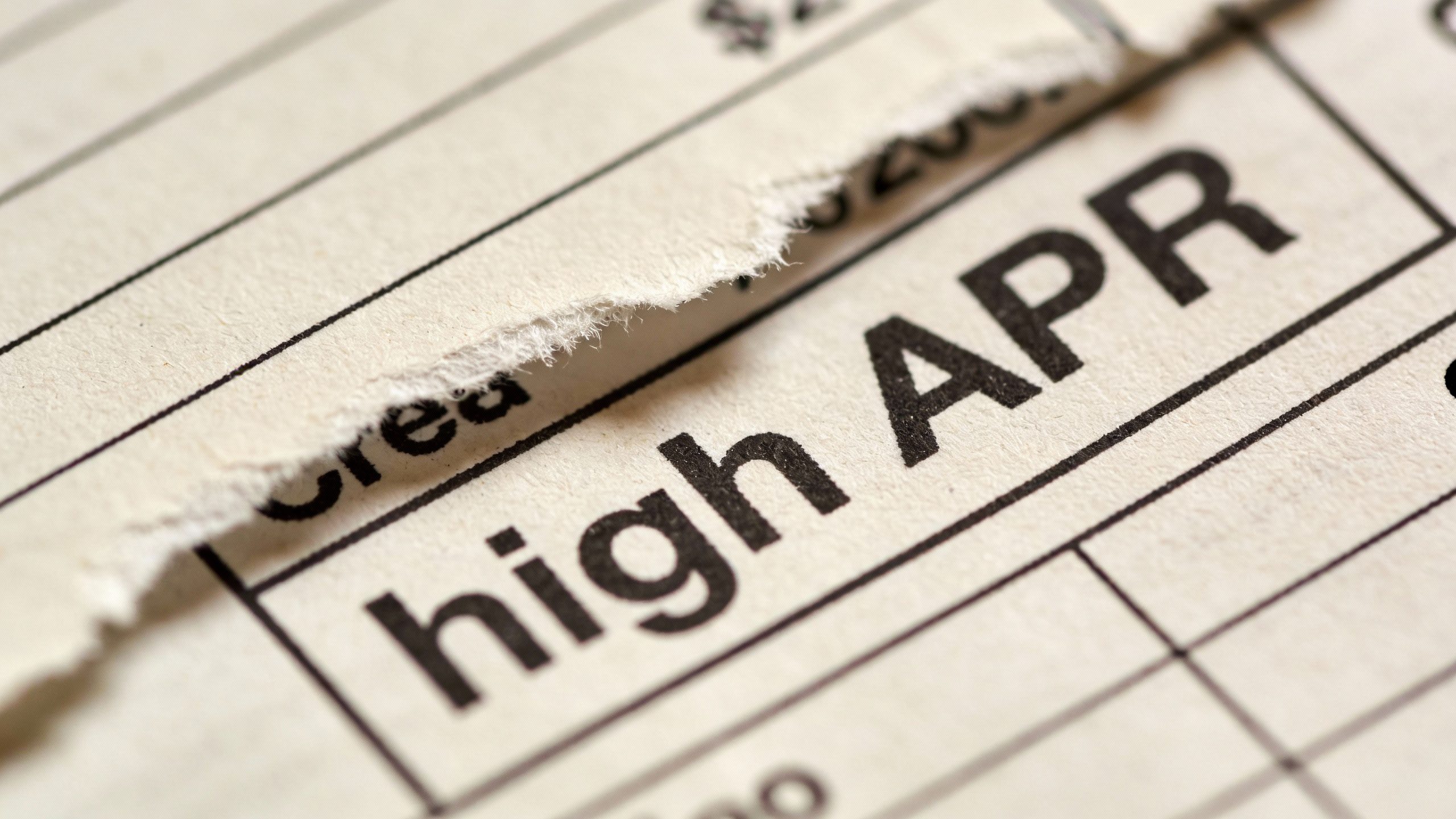
Not all debt is created equal. Credit card debt at 20% APR? That’s a five-alarm fire. A low-interest student loan or mortgage? Less urgent. Before you even think about investing, you need to categorize your debt like a financial detective.
- High-interest debt (10%+ APR): Credit cards, payday loans, or personal loans with predatory rates. These are your top priority.
- Moderate-interest debt (5–9% APR): Some private student loans, car loans, or older personal loans. Worth tackling but not an emergency.
- Low-interest debt (<5% APR): Federal student loans, mortgages, or other subsidized debt. These can often wait.
If you’ve got high-interest debt, focus on crushing that first. No investment reliably beats 20% interest. But if your debt is mostly low-interest? You might be leaving money on the table by *not* investing sooner.
When to Pause Investing (Temporarily!)
If your debt is costing you more than what you’d realistically earn investing (FYI, the stock market averages ~7–10% annually), pause investing and go all-in on debt. Otherwise, you’re just treading water.
The Hybrid Approach: Invest and Pay Down Debt

Once high-interest debt is under control, you can split your focus. Here’s how:
- Attack high-interest debt aggressively. Throw extra cash at it like it’s the last slice of pizza.
- Make minimum payments on low-interest debt. No need to rush these.
- Start small with investing. Even $50–$100/month in a Roth IRA or index fund builds habits (and compounding).
This isn’t an all-or-nothing game. You’re playing the long-term odds.
Where to Invest When You’re Still in Debt

You’re not picking individual stocks here (unless you enjoy stress-induced hair loss). Stick to simple, low-cost options:
- Roth IRA: Tax-free growth, and you can withdraw contributions penalty-free if disaster strikes. IMO, the best starter account.
- Index funds/ETFs: VTI, VOO, or similar. Boring? Yes. Effective? Absolutely.
- Employer 401(k) match: If your job offers a match, contribute enough to get it. That’s free money, folks.
Avoid complex strategies or crypto hype. Your goal is steady growth, not becoming a WallStreetBets meme.
Why a Roth IRA Rocks for Debt-Burdened Investors
Roth IRAs are flexible—you can pull out your contributions (not earnings) anytime without penalties. This makes them a safer choice if you’re still working on debt and might need backup cash.
How Much to Invest vs. Pay Toward Debt
There’s no magic formula, but here’s a sane starting point:
- If your debt is >7% APR, put 80% of extra cash toward debt and 20% toward investing.
- If your debt is <5% APR, flip it: 70% investing, 30% extra debt payments.
Adjust based on your risk tolerance. Hate debt? Pay it faster. Obsessed with compounding? Invest more.
Psychological Hacks to Stay on Track
Paying off debt while investing requires patience. Here’s how to avoid burnout:
- Celebrate micro-wins: Paid off a credit card? Invest an extra $50 that month as a reward.
- Automate everything: Set up auto-payments for debt and auto-investing. Out of sight, out of mind.
- Track progress visually: A spreadsheet or app like Mint shows how far you’ve come.
Remember, you’re building habits, not sprinting to a finish line.
FAQ: Your Burning Questions, Answered
Should I pay off all debt before investing?
Nope—especially if some of it is low-interest. You’d miss years of potential growth. Focus on high-interest debt first, then balance the rest.
What if I have no emergency fund?
Save a mini emergency fund ($1,000) before investing. Otherwise, you’ll just rack up more debt when life happens (and life *always* happens).
Can I invest while in credit card debt?
Only if your cards are at 0% APR temporarily. Otherwise, pay those off *first*. No investment beats 20% interest.
How do I avoid feeling overwhelmed?
Start stupidly small. $25 to debt, $25 to investing. Progress builds momentum.
Is it dumb to invest if I have student loans?
Depends on the interest rate. Federal loans at 4%? Invest while paying the minimum. Private loans at 8%? Prioritize those.
What’s the biggest mistake people make?
Thinking it’s all-or-nothing. Even tiny investments add up over time.
Final Thoughts: You’ve Got This
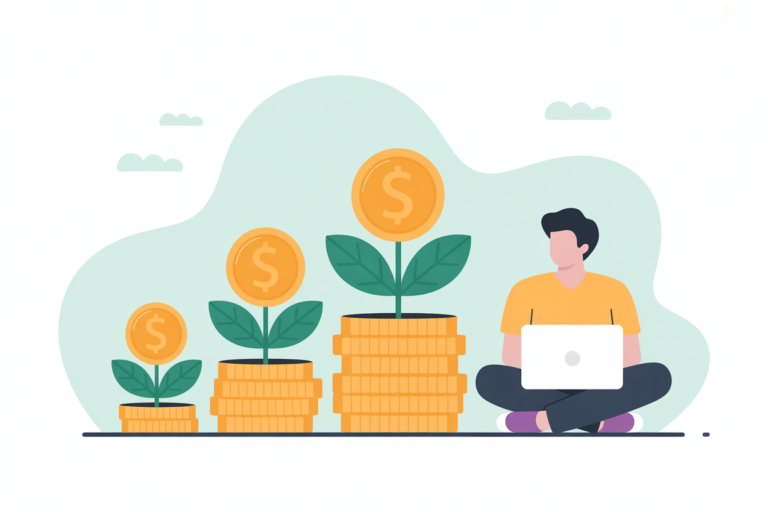
Paying off debt and investing isn’t a binary choice. It’s a balancing act—one that gets easier once you ditch the guilt and start playing the long game. Start small, stay consistent, and remember: The best time to plant a financial tree was 10 years ago. The second-best time is today. Now go forth and adult responsibly (or at least fake it till you make it).