
How to Use a Budget Planner Step by Step
Let’s be real for a second. Looking at your bank account balance sometimes feels like watching a horror movie through your fingers. You know the monster is there, but you just don’t want to see how bad the damage is. I’ve been there. I used to think “budgeting” was just a fancy word for making my life miserable and cutting out everything I love, like my morning coffee or that third streaming service I definitely don’t need.
But here is the thing: a budget planner isn’t a straightjacket; it’s a permission slip. It tells you exactly how much you can spend without the guilt hangover the next morning.
If you are tired of wondering where your paycheck went three days after payday, you need to get this sorted. Learning how to use budget planner tools properly is the single best thing you can do for your wallet.
I’m going to walk you through this process. No judgment, just straight talk. Grab a coffee (make it homemade, we’re saving money today), and let’s fix this mess.
Why You Even Need a Budget Planner (Seriously)
You might think you can keep track of everything in your head. I thought that too. I was wrong. The human brain is great at justifying a $50 Target run but terrible at remembering it three weeks later when rent is due.
Writing things down changes the game. It forces you to confront the numbers. When you see exactly how much you spend on takeout versus how much you save for retirement, it slaps you in the face with reality.
Plus, using a planner reduces anxiety. You stop waking up at 3 AM wondering if you can afford that car repair. You already know the answer because you wrote it down. It gives you control, and frankly, control feels pretty good.
Choosing Your Weapon: Digital vs. Analog
Before we start crunching numbers, you have to pick your tool. This is a personal preference, but it matters.
The Old School Notebook
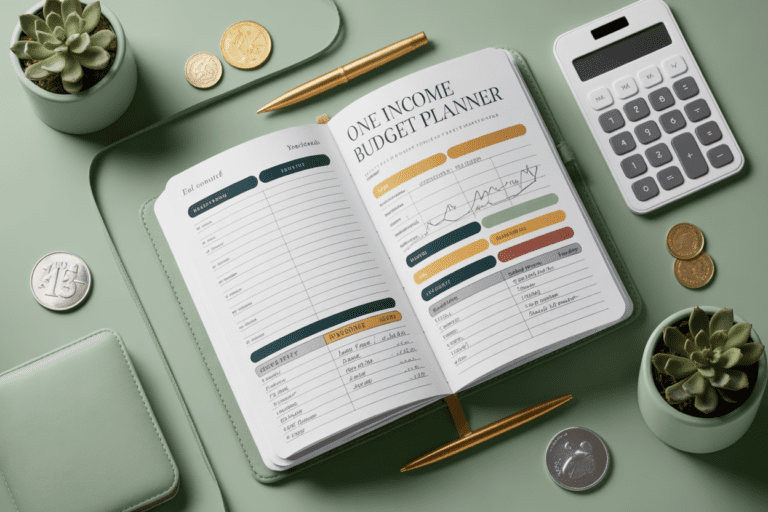
I love pen and paper. There is something visceral about physically writing down your debt that makes you want to crush it. Paper planners are great for beginners because they force you to slow down. You can’t just swipe a notification away; you have to sit there and deal with it.
The Digital Route
Apps are convenient. They link to your bank accounts and categorize things for you. But be careful. Sometimes they make it too easy. You might stop paying attention because the robot is doing the work for you. IMO, if you are new to this, start with paper or a simple spreadsheet. Get your hands dirty first.
Step 1: Gather Your Financial Receipts (The Scary Part)

Alright, take a deep breath. We are going into the belly of the beast. To plan where you are going, you have to know where you have been.
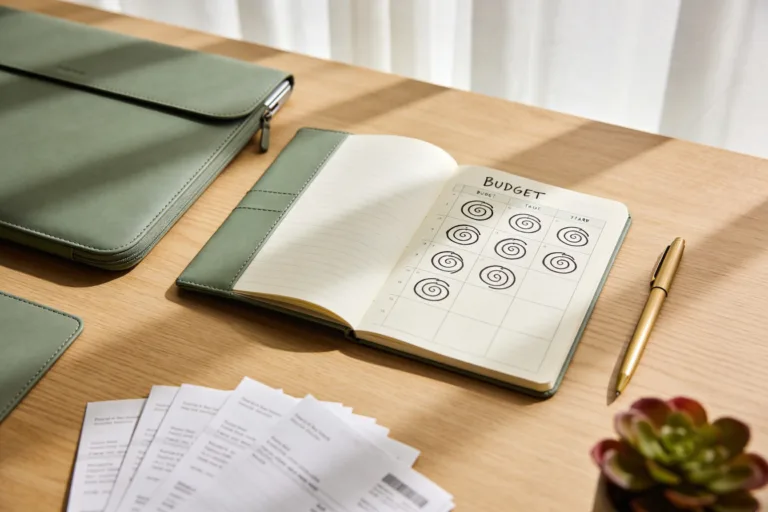
You need to gather every financial document you have from the last three months. I’m talking bank statements, credit card bills, pay stubs, and even that crumpled receipt from the bottom of your purse.
Don’t skip this step. Most people guess their expenses. They say, “Oh, I spend about $400 on groceries.” Then they look at the statements and realize it’s actually $750 because they forgot about the snacks, the wine, and the random trips for “just one thing.”
Lay it all out. Log into your online banking. Download the PDFs. We need hard data, not guesses.
Step 2: Calculate Your Net Income
This sounds simple, but people mess it up constantly. We are looking for your Net Income. That means the money that actually hits your bank account, not the big number on your offer letter.
Uncle Sam takes his cut first. Then maybe your health insurance and 401k contributions come out. What you have left is your buying power.
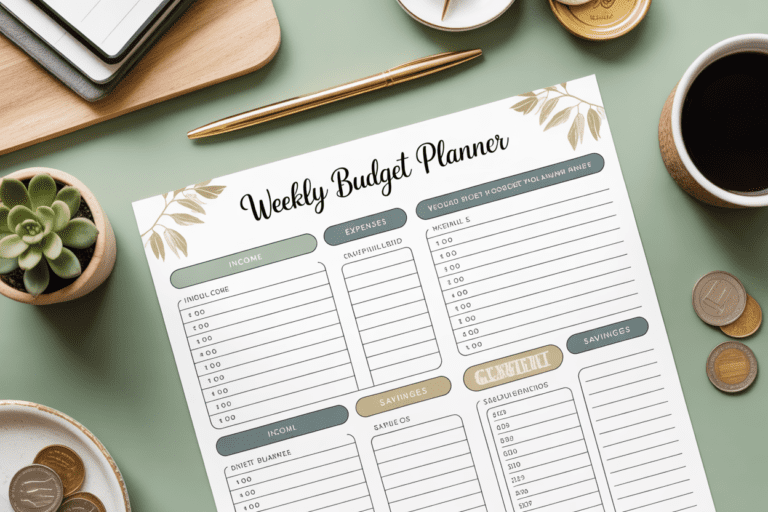
- Fixed Paychecks: If you get a steady salary, this is easy. Just look at the direct deposit amount.
- Variable Income: If you freelance or work shifts, this is trickier. I recommend taking the average of your last three months of income. Even better? Use the lowest month as your baseline. If you earn more, it’s a bonus. If you earn less, you won’t starve.
Write this number at the top of your planner. Circle it. bold it. This is your fuel tank. You cannot drive further than this tank allows.
Step 3: List Your Fixed Expenses
Now we list the bills that don’t care about your feelings. These are the expenses that stay the same (or close to it) every single month.
I call these the “Four Walls.” If you don’t pay these, bad things happen. You lose your house, your lights go out, or you go to jail (okay, maybe just a collection agency, but still).
Here is a checklist for you:
- Rent or Mortgage: Usually the biggest chunk.
- Car Payment: The inevitable monthly soul-crusher.
- Insurance: Car, home, life, health.
- Utilities: Internet, electricity, water. (These fluctuate a bit, but you can estimate a safe average).
- Debt Minimums: Student loans or credit card minimums.
Write these down first. Subtract this total from your Net Income. Whatever is left is what you actually have to play with. Shockingly low, isn’t it? :/
Step 4: Define Your Variable Expenses (The Fun Killers)
This is where the battle is won or lost. Variable expenses are the things you have control over. It’s also where we all lie to ourselves.
You need to create categories for your spending. Don’t go crazy with 50 different categories, but don’t just put “Misc” either. “Misc” is where budgets go to die.
Common categories include:
- Groceries: strictly food you cook.
- Dining Out: food you pay someone else to cook.
- Gas/Transportation: getting to work.
- Entertainment: movies, subscriptions, hobbies.
- Personal Care: haircuts, makeup, gym memberships.
Look at those bank statements you pulled in Step 1. How much did you actually spend in these categories? Use that as your starting number. If you spent $600 on dining out last month, don’t write down $50 for this month. You will fail. Write down $400 and try to cut back slowly.
Step 5: The Magic of Zero-Based Budgeting
Have you ever wondered why you have money left over on paper, but your bank account is empty? It’s because you didn’t give every dollar a job.
I swear by the Zero-Based Budget method. Here is the formula:
Income – Expenses = $0
This doesn’t mean you have zero money. It means you allocate every single penny. If you have $500 left after paying bills and buying groceries, you don’t just leave it there. You assign it to “Savings,” “Debt Payoff,” or “Vacation Fund.”
If that money sits unassigned in your checking account, you will spend it. You will buy a fancy candle or a video game and wonder where the money went. assigning it moves it out of the “spendable” mental zone.
Step 6: Tracking Your Spending (The Actual Work)
Congratulations, you made a plan! Now comes the hard part: actually following it.
A budget planner is useless if you only look at it once a month. You need to track your spending as it happens. I recommend checking in daily or at least every few days.
The Envelope System (Or Cash Stuffing)
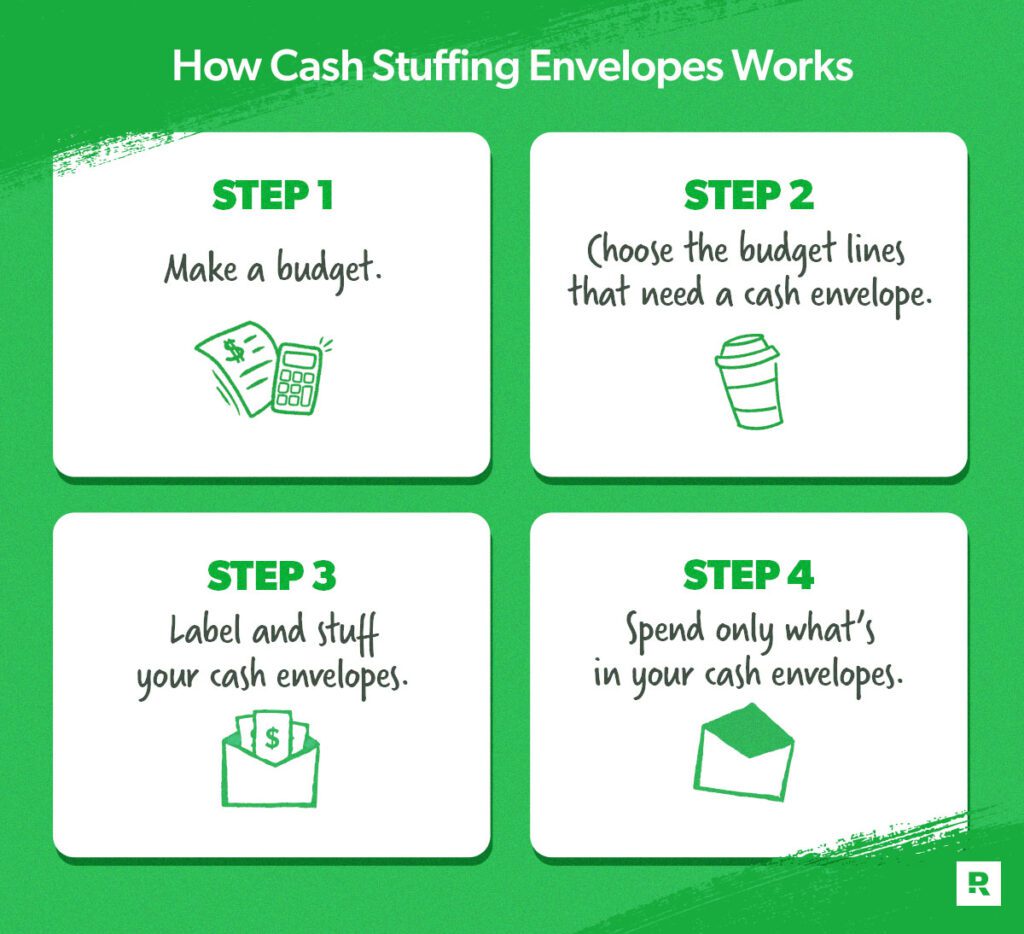
If you struggle with overspending, try using cash. I know, cash feels archaic. But it works. If you budget $400 for groceries, put $400 cash in an envelope. When the envelope is empty, you eat pasta from the back of the pantry until the 1st of the month. It forces discipline in a way a debit card never will.
The “oops” Buffer
You will mess up. You will forget your lunch and buy a $15 salad. You will get a flat tire. Life happens.
Build a “Buffer” or “Miscellaneous” category into your budget. Give yourself $50-$100 of wiggle room. When the unexpected happens (and it will), you pull from the buffer instead of panicking.
Step 7: Review and Tweak (Rinse and Repeat)
The first month you budget, you will be terrible at it. You will forget a bill. You will underestimate how much dog food costs. This is normal.
At the end of the month, sit down with your planner. Compare what you planned to spend vs. what you actually spent.
- Did you spend $200 more on groceries? Increase the grocery budget for next month.
- Did you not use your clothing budget? Move that money to debt payoff.
Your budget is a living thing. It changes as your life changes. Don’t stick to a plan that doesn’t work just because you wrote it down. Change the numbers until they reflect your reality.
Handling Irregular Expenses
Here is a curveball: Christmas happens every December. Your car registration happens every year. Why are we always surprised by this?
Use your planner to set up Sinking Funds. This is a fancy term for saving a little bit every month for a big expense later.
If you know you spend $600 on holiday gifts in December, divide that by 12. That’s $50 a month. Put that $50 aside in a separate category every single month starting in January. When December rolls around, you have the cash ready. No stress, no credit card debt. It feels like magic, but it’s just math.
Tips for Staying Motivated
Let’s be honest, budgeting can get boring. It requires saying “no” to yourself, and nobody likes that. Here is how I keep from falling off the wagon:
Visualizing the Goal
Why are you doing this? Are you saving for a down payment? Trying to kill that student loan? Want to go to Italy?
Put a picture of your goal in your planner. When you want to buy that overpriced sandwich, look at the picture. Ask yourself: “Do I want this sandwich more than I want to be debt-free?” Usually, the answer is no.
The “Sleep On It” Rule
If you see something you want to buy that isn’t in the budget, wait 24 hours. Impulse buys are emotional, not logical. Usually, the urge to buy fades after a good night’s sleep. If you still want it a week later, budget for it in next month’s plan.
Celebrate the Wins
Did you stick to your grocery budget this month? Awesome! Reward yourself. I don’t mean go blow $200. I mean buy a nice chocolate bar or rent a movie. Positive reinforcement trains your brain to like budgeting.
Common Mistakes to Avoid
I’ve made every mistake in the book. Save yourself the headache and watch out for these:
- Being Too Restrictive: If you cut your budget to the bone, you will snap. You can’t go from spending $1,000 on fun to $0. You will binge-spend eventually. Cut back reasonably.
- Forgetting Annual Subscriptions: Amazon Prime, Costco memberships, antivirus software. These sneak up on you. Check your bank statements from a year ago to find them.
- Comparisons: Don’t look at someone else’s budget online and feel bad. They might have a higher income, no kids, or they might be lying. FYI, Instagram isn’t real life. Focus on your numbers.

Conclusion
Learning how to use a budget planner isn’t rocket science, but it does take grit. It requires you to be honest with yourself about where your money goes.
It won’t be perfect the first time. Or the second. But if you stick with it, you will stop wondering where your money went and start telling it where to go.
So, grab that planner. Open that banking app. Start listing those numbers. Future you—the one with the savings account and the paid-off car—will thank you for the awkwardness you feel today. You’ve got this. 🙂