How to Start Investing Step by Step
Let me guess—you’ve been telling yourself, “I should probably start investing,” for months now. Maybe years. And somehow, Netflix always wins. 😅
No judgment here. I’ve been there too, scrolling charts at 1 a.m., wondering why everyone else makes investing look so easy.
So let’s fix that. In this guide, I’ll walk you through how to start investing step by step, like I would explain it to a friend over coffee. No suits, no jargon overload, no “trust me bro” advice. Just real talk, clear steps, and a little humor to keep things fun.
Why Investing Feels Scary (But Really Isn’t)
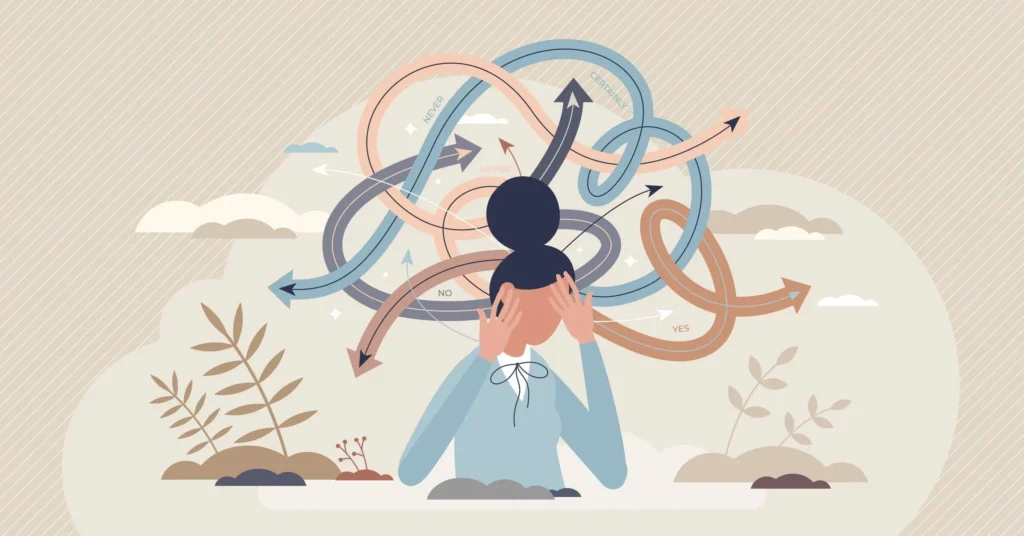
Let’s address the elephant in the room.
Investing feels intimidating because nobody teaches it properly. School taught me how to calculate the area of a triangle, but not how to grow my money. Rude, honestly.
Most beginners fear:
- Losing money
- Not understanding the “fancy” terms
- Starting too late (FYI: that’s almost never true)
Here’s the truth: doing nothing is often riskier than starting small. Inflation eats cash silently, like a ninja with a PhD in economics.
Ever wondered why so many people say, “I wish I had started earlier”? Yeah… because investing actually works when you give it time.
Step 1: Get Your Financial Basics in Order First
Before you buy your first stock, pause.
I know it’s tempting to jump in, but trust me on this one.
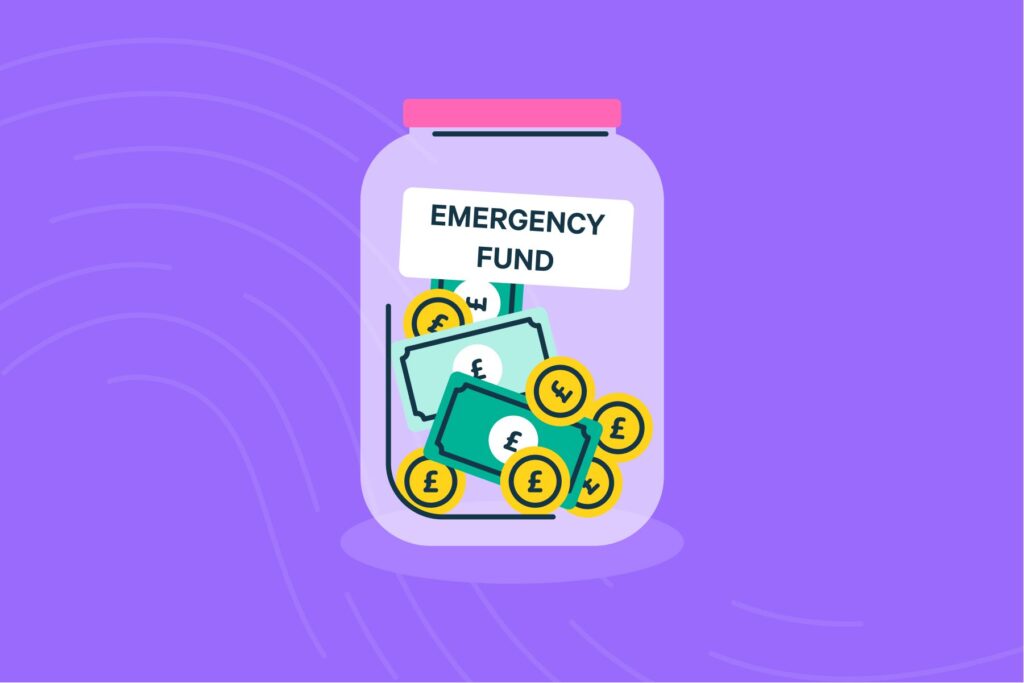
Build a Simple Emergency Fund
You don’t need a massive pile of cash. You just need breathing room.
Aim for:
- $1,000 to start, then
- 3–6 months of basic expenses
This fund saves you from panic-selling investments when life throws a surprise bill your way. And life loves surprises.
Pay Off High-Interest Debt
If you carry credit card debt at 20% interest, investing won’t magically fix that.
IMO, clearing high-interest debt gives you a guaranteed return. Wall Street can’t promise that.
Step 2: Set Clear Investing Goals (No, “Get Rich” Doesn’t Count)
Investing without goals feels like driving with no destination. Fun at first. Stressful later.
Ask yourself:
- Why am I investing?
- When will I need this money?
- How much risk can I handle without losing sleep?
Common Investing Goals
- Retirement (the big one)
- Buying a home
- Building long-term wealth
- Passive income
Short-term goals (less than 3 years) and long-term goals need different strategies. Mixing them creates chaos. And nobody enjoys financial chaos.
Step 3: Learn the Basic Investing Options (No PhD Required)
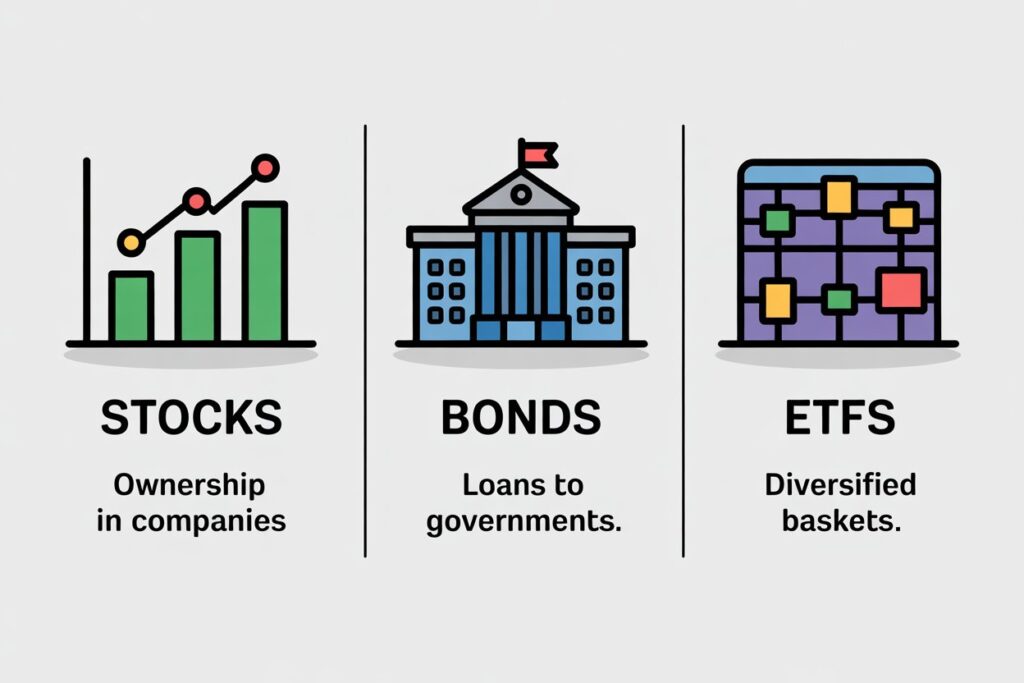
You don’t need to know everything. You just need to know enough.
Stocks
You buy a piece of a company.
When the company grows, your investment can grow too.
- Higher risk
- Higher potential reward
- Can feel like an emotional rollercoaster :/
Bonds
You lend money and get paid interest.
- Lower risk
- More stability
- Less exciting, but reliable (like that one friend who’s always on time)
ETFs (Exchange-Traded Funds)
These are beginner gold.
Why I love ETFs:
- Instant diversification
- Lower risk than picking single stocks
- Perfect for long-term investing
If you’re learning how to start investing step by step, ETFs make your life much easier. I started here, and honestly, I’d do it again.
Step 4: Choose the Right Investment Account
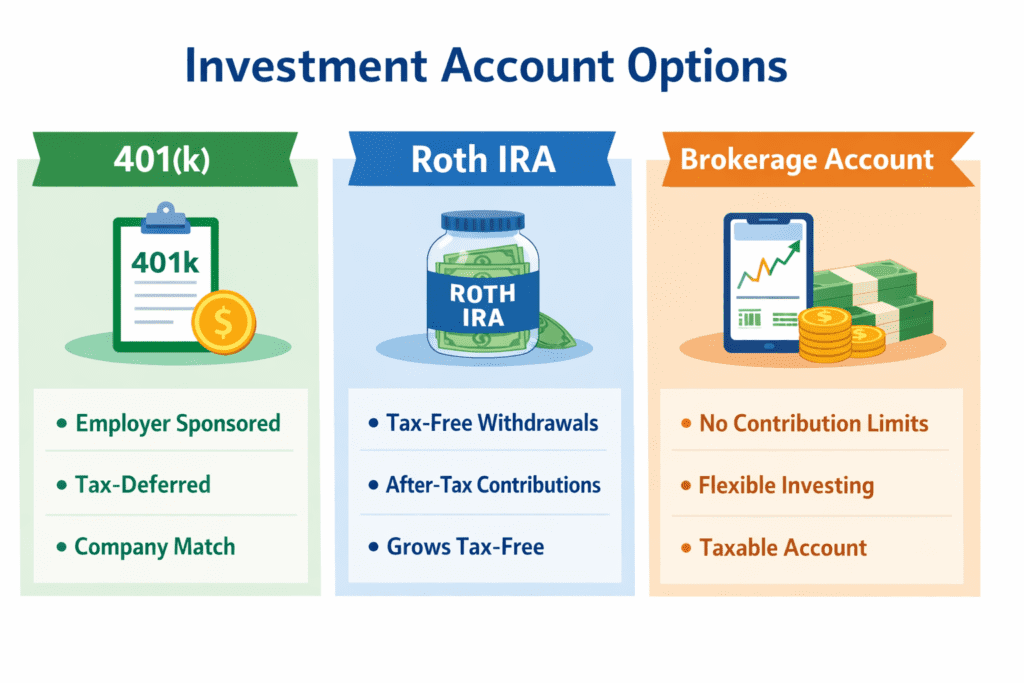
This step matters more than people realize.
Tax-Advantaged Accounts Come First
If you’re in the US, prioritize:
- 401(k) (especially if your employer matches—free money alert 🚨)
- Roth IRA
- Traditional IRA
Employer match = instant 100% return. Skipping that hurts my soul.
Brokerage Accounts
These work great for flexibility.
- No contribution limits
- Invest anytime
- Good for goals outside retirement
Pro tip: Start simple. One account beats five confusing ones.
Step 5: Pick a Beginner-Friendly Investment Strategy
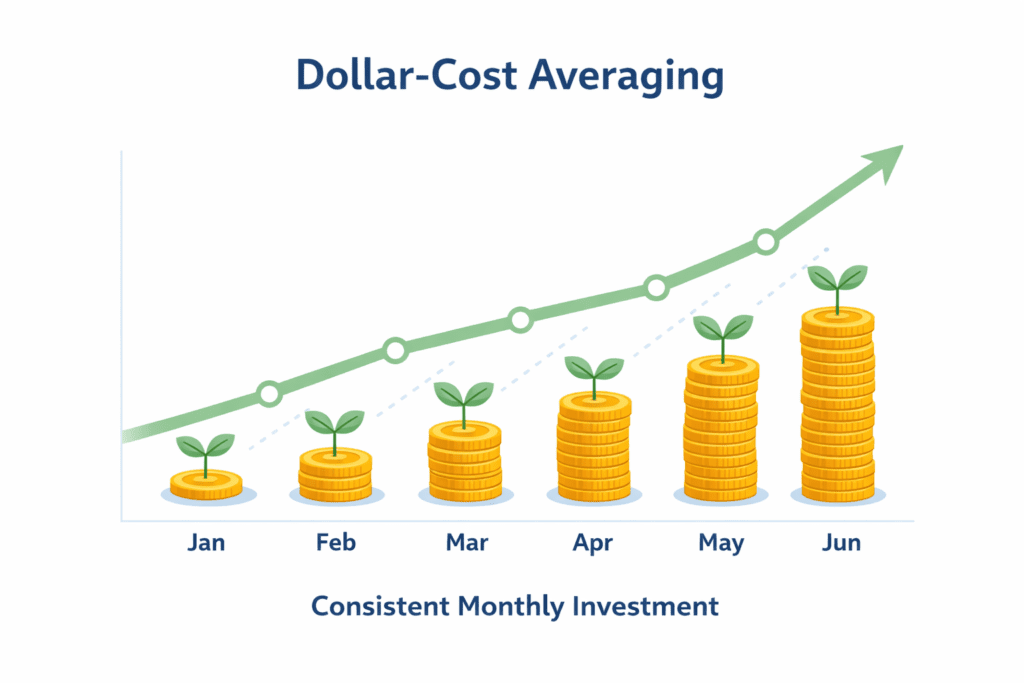
Here’s where people overthink things.
Spoiler: you don’t need 27 strategies.
Dollar-Cost Averaging (My Go-To)
You invest a fixed amount regularly, no matter what the market does.
Why it works:
- Removes emotion
- Reduces bad timing decisions
- Builds discipline
I invest monthly. Sometimes markets dip. Sometimes they soar. I sleep fine either way.
Buy-and-Hold
You invest, then chill.
- Ignore daily noise
- Focus on years, not weeks
- Let compounding do the heavy lifting
Ever noticed how “overnight success” investors usually took 10+ years? Exactly.
Step 6: Actually Start Investing (Yes, This Is the Hard Part)
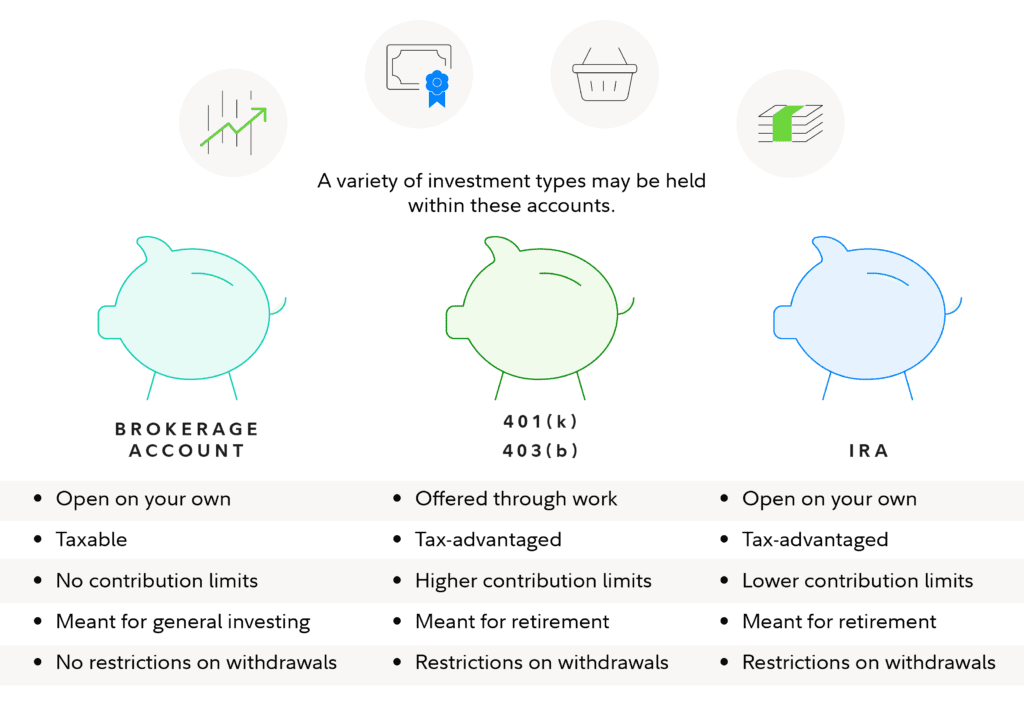
At some point, learning turns into procrastination.
I know because I lived there for a while.
Start Small and Stay Consistent
You don’t need thousands of dollars.
You can start with:
- $50
- $100
- Whatever feels comfortable
Consistency beats amount every single time.
Starting small beats not starting at all. Always.
Step 7: Ignore the Noise (Seriously, Mute It)
Financial news loves drama. Red headlines sell clicks.
You’ll hear:
- “Market crash coming!”
- “This stock will explode!”
- “Now is the worst/best time to invest!”
Most of that is noise.
What Actually Matters
- Your goals
- Your timeline
- Your strategy
If your plan doesn’t change, market dips become boring, not scary. And boring investing usually wins.
Step 8: Review, Rebalance, Repeat
Investing isn’t “set it and forget it forever.”
But it’s also not a daily obsession.
Check In Periodically
- Review once or twice a year
- Rebalance if needed
- Adjust when life changes
That’s it. No spreadsheets at midnight. No panic-refreshing apps.
Common Beginner Mistakes I Made (So You Don’t Have To)

Let’s get real for a second.
- Tried to time the market (spoiler: failed)
- Bought hype stocks without research
- Checked prices way too often
Learn from my chaos.
Avoid these mistakes:
- Chasing quick profits
- Investing money you need soon
- Letting emotions drive decisions
Investing rewards patience, not adrenaline.
How Long Before You See Results?
This question comes up all the time.
Short answer: longer than you want, shorter than you fear.
- Months = learning phase
- Years = growth phase
- Decades = wealth phase
Compound growth feels slow… until it doesn’t. Then it feels like magic. Real math-based magic.
Final Thoughts: Just Start (Future You Will Thank You)
If you remember only one thing, remember this:
You don’t need to be perfect to start investing. You just need to start.
Learning how to start investing step by step isn’t about mastering everything. It’s about building a habit, staying consistent, and letting time do its thing.
Start small. Stay patient. Laugh at the noise.
And one day, you’ll look back and think, “Wow… I’m really glad I started when I did.” 🙂
Now go make future-you proud.