Simple Strategies to Get Out of Debt Without Extra Income
Debt doesn’t need your permission to take over your brain. It just shows up, throws a party on your credit cards, and leaves you with the bill. The good news? You can kick it out without adding a single extra dollar to your income. No side hustles, no miracle hacks—just smart moves that actually work.
Get brutally honest with your numbers
You can’t fight a monster you won’t look at. Pull every statement, every balance, every interest rate. List it all in one place and total it up. Yes, it might sting. Yes, you’ll survive.
Create a one-page snapshot:
- All debts: lender, balance, minimum payment, interest rate
- Monthly essentials: rent/mortgage, utilities, groceries, transport, insurance
- Everything else: subscriptions, memberships, random “treat yourself” charges
You just built your command center. Simple, not cute. That’s the point.
Cut costs without hating your life

No, you don’t need to eat rice and sadness for six months. You do need to cut the obvious leaks and negotiate the rest.
Slash the easy stuff first
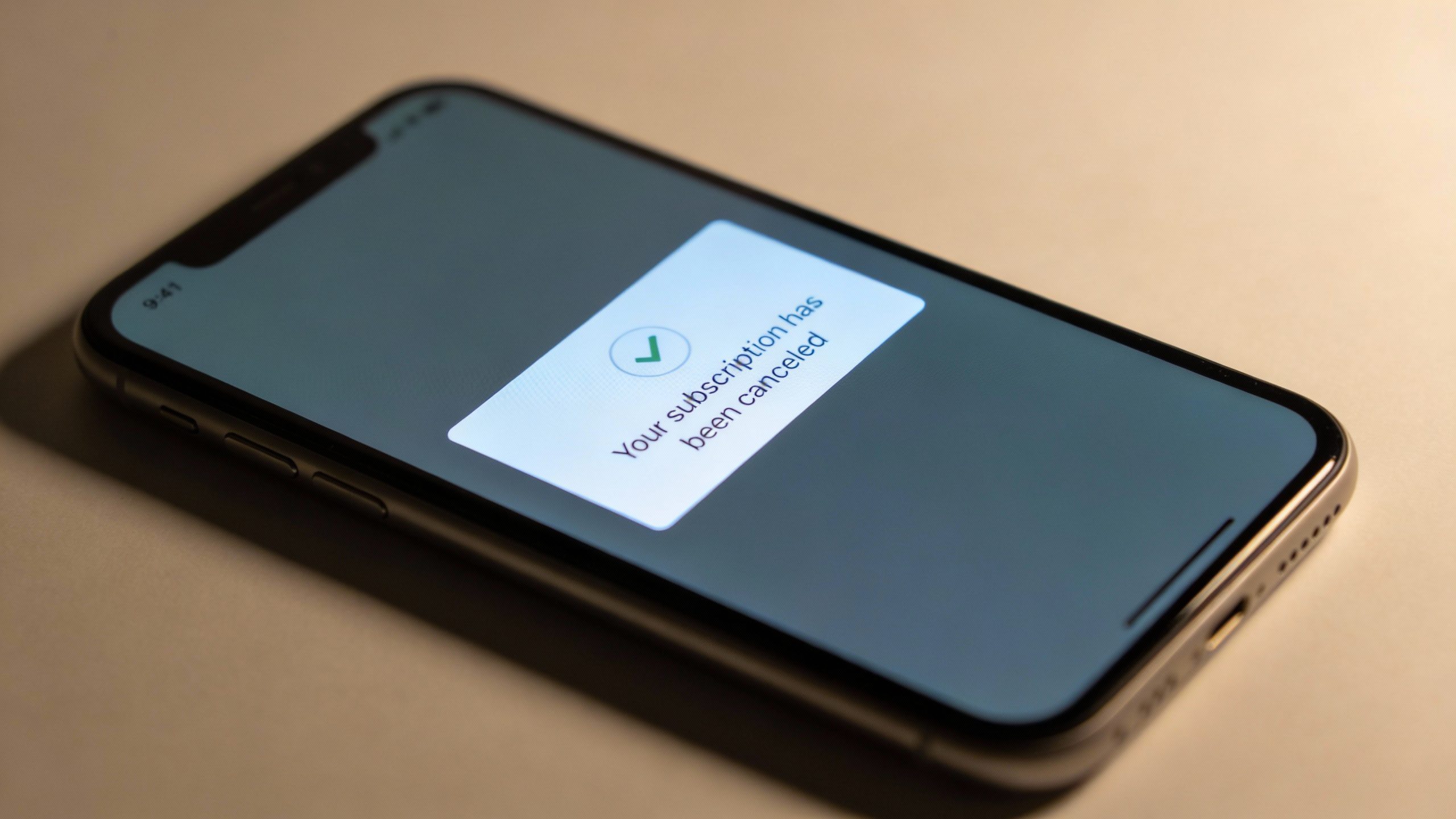
- Subscriptions: Cancel anything you don’t use weekly. Pausing counts. Free trials are bait—don’t bite.
- Insurance + phone: Call and ask for plan reviews, loyalty discounts, or usage-based options. You’d be shocked.
- Groceries: Shop with a list, buy store brands, and cook two big batch meals per week. Future-you will send a thank-you card.
- Transport: Carpool, public transit, or combine errands. Small changes stack fast.
Renegotiate what you can’t cut
Use one simple script: “I’m reviewing my budget. Can you help me lower my bill?” Say it to your internet provider, credit card companies, and yes, even your gym. Ask for: promotional rates, fee waivers, APR reductions, or payment reviews. It works more often than you’d think.
Build a zero-based budget that fights for you
A budget isn’t a judge—think of it as a GPS. Tell every dollar where to go so it can’t wander off and buy lattes without asking.
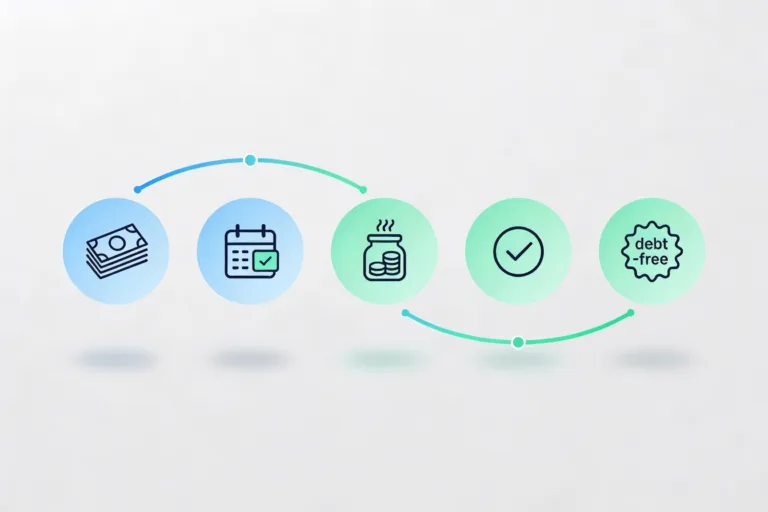
Try this simple flow:
- Income: list what actually hits your account after taxes.
- Essentials: cover housing, utilities, food, transport—no fluff here.
- Minimums: pay the minimum on every debt to stay current.
- Extra: send every leftover dollar to a single target debt.
- Zero it out: end the month with $0 unassigned on paper (not in reality, chill).
That “every leftover dollar” part? That’s your engine. You don’t need more income—you need more intention.
Pick your payoff method and commit

You’ve got two main tools. Both work. Pick one and stay loyal like it’s your favorite pizza place.
Debt snowball (fast wins)
You pay off the smallest balance first, then roll that payment into the next. Why it works: quick wins create momentum. IMO, this keeps motivation high when willpower dips.
Debt avalanche (math wins)
You pay off the highest interest rate first. Why it works: you minimize total interest and finish faster on paper. FYI, this suits folks who love optimization.
Which one should you choose?
If you’re feeling discouraged, go snowball. If you’re stubborn about numbers (respect), go avalanche. The best method is the one you’ll stick with for six months straight.
Automate, track, and make it a game
Your brain gets tired. Automation doesn’t.
- Auto-pay minimums so you never get hit with late fees.
- Schedule your extra payment the day after payday. Out of sight, out of “accidentally spent.”
- Track progress visually: use a thermometer chart, a debt tracker app, or a plain spreadsheet. Watching the number drop slaps.
Use mini-challenges
Try “No-Spend Weekdays,” “Pantry Clean-Out Week,” or “Sell 5 Things Saturday.” Put the savings straight toward your target debt the same day. Momentum loves immediacy. IMO, the quicker you reward your future self, the faster this sticks.
Stop the interest from spiraling
High interest is the boss level. Beat it by shrinking it.
- Call your creditors: ask for an APR reduction, hardship program, or payment plan. Be honest about your goal to pay in full.
- Balance transfer (0% intro APR): only if you can pay it off within the promo window and avoid fees chewing you up.
- Debt consolidation loan: useful if it lowers your rate and you won’t keep spending. If you consolidate and swipe again—yeah, don’t do that.
Keep it clean: one plan, one payment strategy, no new debt. You’re not “fixing” it if you’re also adding to it.
Protect your progress with tiny safety nets
Emergencies happen, usually right after you feel smug. Build a small buffer so you don’t put surprise expenses on credit.
Start with a micro-emergency fund
Goal: $500–$1,000 parked in a separate savings account. Use it only for true emergencies (car repair, medical copay, broken appliance). Not “the sneakers dropped.”
Pre-plan irregular expenses
List what hits a few times a year: car registration, annual subscriptions, gifts, vet visits. Divide by 12 and set aside that amount monthly. Future-you is now a responsible adult, congratulations.
Keep the lifestyle creep on a short leash

You don’t need to go full monk, but you do need boundaries.
- Pick 1–2 fun categories to keep (coffee runs, a streaming service). Cut or cap everything else for now.
- Use cash envelopes or debit-only for discretionary spend. When it’s gone, it’s gone. Tough love, but it works.
- Unfollow temptation: brands, influencers, promo emails. Less FOMO, more cash flow.
Remember, this is temporary. Comfortable later beats comfortable right now.
FAQ
Should I pay off debt or save first?
Do both, in layers. Build a $500–$1,000 emergency fund first so one flat tire doesn’t nuke your plan. Then attack debt hard while maintaining that small cushion. After the first couple debts fall, you can boost savings again.
What if I can’t even afford minimum payments?
Call your creditors immediately and ask about hardship programs, reduced payments, or temporary forbearance. Document every call. Also contact a nonprofit credit counseling agency—they can sometimes lower rates and consolidate payments without a loan. Fast action beats avoidance every time.
Is it okay to use a 0% balance transfer?
Yes, with rules. Move only what you can repay during the 0% window, pay on time, and stop using the old card. Watch the transfer fee math. If you keep spending, the 0% just delays the pain.
How do I stay motivated when progress feels slow?
Track every win. Celebrate each debt you pay off with a small, planned reward (emphasis on planned). Use visual trackers, join an accountability group, or post milestones. Momentum is a habit, not a mood.
Do I need a side hustle to get out of debt?
No. More income helps, obviously, but you can absolutely do this by cutting costs, prioritizing payments, and automating. If you add a side hustle later, great—your system will multiply it. FYI, a messy plan wastes extra income anyway.
Should I close credit cards after paying them off?
Not necessarily. Closing cards can affect your credit utilization and average account age. Consider leaving them open but frozen (literally or via your bank app) so you don’t use them. Priority one: no new balances.
Conclusion
You don’t need a raise to smack down debt—you need clarity, discipline, and a plan that runs on autopilot. Trim the fat, pick a payoff method, automate the boring stuff, and use small buffers to avoid backsliding. Keep it simple, keep it consistent, and keep your eyes on the freedom you’re buying. Debt might be loud, but your plan gets the last word.