
Frugal Money Habits That Actually Save You Money
Let’s be real—most “money-saving tips” are either painfully obvious (“Stop buying lattes!”) or completely unrealistic (“Make your own soap from scratch!”). But frugality doesn’t have to mean deprivation or extreme couponing. The best frugal habits are the ones that actually fit into your life *and* save you money without making you miserable. Here’s what *actually* works.
Track Your Spending Like a Spy (But Without the Gadgets)
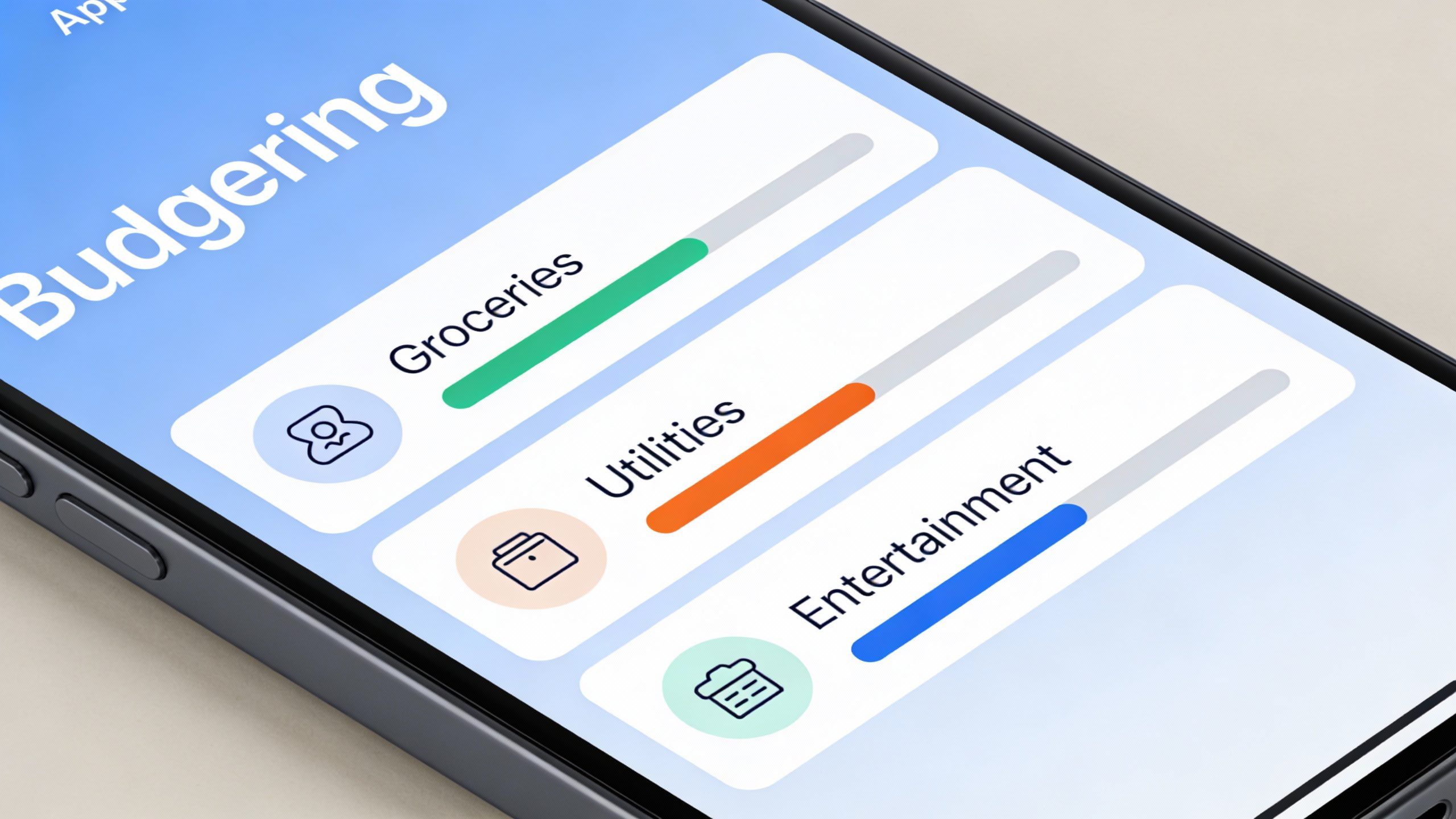
You can’t save money if you don’t know where it’s going. Tracking your spending isn’t about guilt-tripping yourself—it’s about spotting patterns.
- Use a free app like Mint or YNAB (You Need A Budget). They sync with your accounts and categorize spending automatically.
- Or go old-school with a spreadsheet. Sometimes typing things out makes you more aware.
- Check in weekly, not monthly. By then, it’s too late to fix bad habits.
The “Why the Hell Did I Buy That?” Test
At the end of each week, scan your transactions and ask: *Did this actually improve my life?* If you can’t remember why you spent $12 on a novelty keychain, that’s a problem.
Automate Savings So You Can’t Screw It Up
Humans are terrible at willpower. The solution? Remove the temptation entirely.
- Set up auto-transfers to savings right after payday. Start small—even $20 adds up.
- Use round-up apps like Acorns. It rounds up purchases and invests the spare change.
- Hide money from yourself with a separate high-yield savings account. Out of sight, out of mind.
FYI, the “pay yourself first” mantra works because it forces you to treat savings like a bill—non-negotiable.
Master the Art of the Cheap(er) Grocery Run

Food is where budgets go to die. But you don’t have to live on ramen to save.
Shop Smarter, Not Harder
- Stick to the perimeter of the store—that’s where the real food is. The middle aisles are just expensive processed traps.
- Buy store brands. IMO, generic cereal tastes the same as the fancy stuff.
- Use cash-back apps like Ibotta or Rakuten. Free money for things you’d buy anyway.
Meal Prep Without the Pinterest Pressure
You don’t need Instagram-worthy containers. Just:
- Cook one big batch of something versatile (like rice, beans, or roasted veggies).
- Mix and match with sauces/proteins so you don’t get bored.
- Freeze half so you don’t waste food (or sanity).
Slash Bills Without Calling a Negotiator
Companies bank on you being too lazy to ask for a better deal. Prove them wrong.
- Call and threaten to cancel (politely). Cable, internet, and phone companies often have hidden discounts.
- Bundle insurance. Combining car + renters/home insurance can save hundreds.
- Ditch subscriptions you forgot about. That gym membership you haven’t used since January? Gone.
Buy Used Like a Pro (Without the Weird Smells)
Secondhand doesn’t mean “second-rate.” Some things are *better* bought used.
- Facebook Marketplace for furniture, tools, and electronics. Pro tip: Offer 20% less than asking—people expect it.
- Thrift stores for clothes. High-end brands for $10? Yes, please.
- eBay for refurbished tech. A “like new” phone costs half the price.
The “Will I Use This 5 Times?” Rule
Before buying *anything* (new or used), ask if you’ll use it at least five times. If not, skip it.
FAQ: Your Frugal Questions, Answered
Does being frugal mean I can never have fun?
Nope. Frugality is about prioritizing. Spend freely on what you love—just cut back on what doesn’t matter. Love concerts? Budget for them. Don’t care about designer clothes? Skip ’em.
How much should I actually save each month?
Aim for 20% of your income, but start with whatever you can. Even 5% is better than 0%. Progress, not perfection.
Are cash-back credit cards worth it?
Only if you pay the balance *in full every month*. Otherwise, interest wipes out the rewards. Treat them like debit cards.
What’s the dumbest thing people waste money on?
Extended warranties. Most stuff breaks right after the warranty ends anyway.
Is it cheaper to cook or eat out?
Cooking wins *if* you don’t let ingredients go to waste. A $50 grocery haul that rots is worse than a $20 takeout meal.
Frugality Isn’t About Scrimping—It’s About Spending Wisely
The best frugal habits don’t feel like sacrifices. They’re just smarter ways to handle money so you can afford what *actually* matters to you. Track spending, automate savings, and hack your bills—then go enjoy that latte guilt-free. You’ve earned it.