Frugal Living Tips That Reduce Stress: Calm, Simple Savings
I’m not here to brag about my coupon stash. I’m here to tell you how frugality can be a relief, not a grind. When money worries ease up, your brain finally has room to breathe. Let’s dive into simple, practical moves that cut stress at the source—finances, clutter, and the whole “too much to do” vibe.
Cut the money-mystery: predictable spending that actually calms you
Ever look at your bank statement and feel your pulse spike? Let’s flip the script. Predictable spending means less anxiety and more control.
– Set a tiny, non-negotiable weekly amount for discretionary stuff.
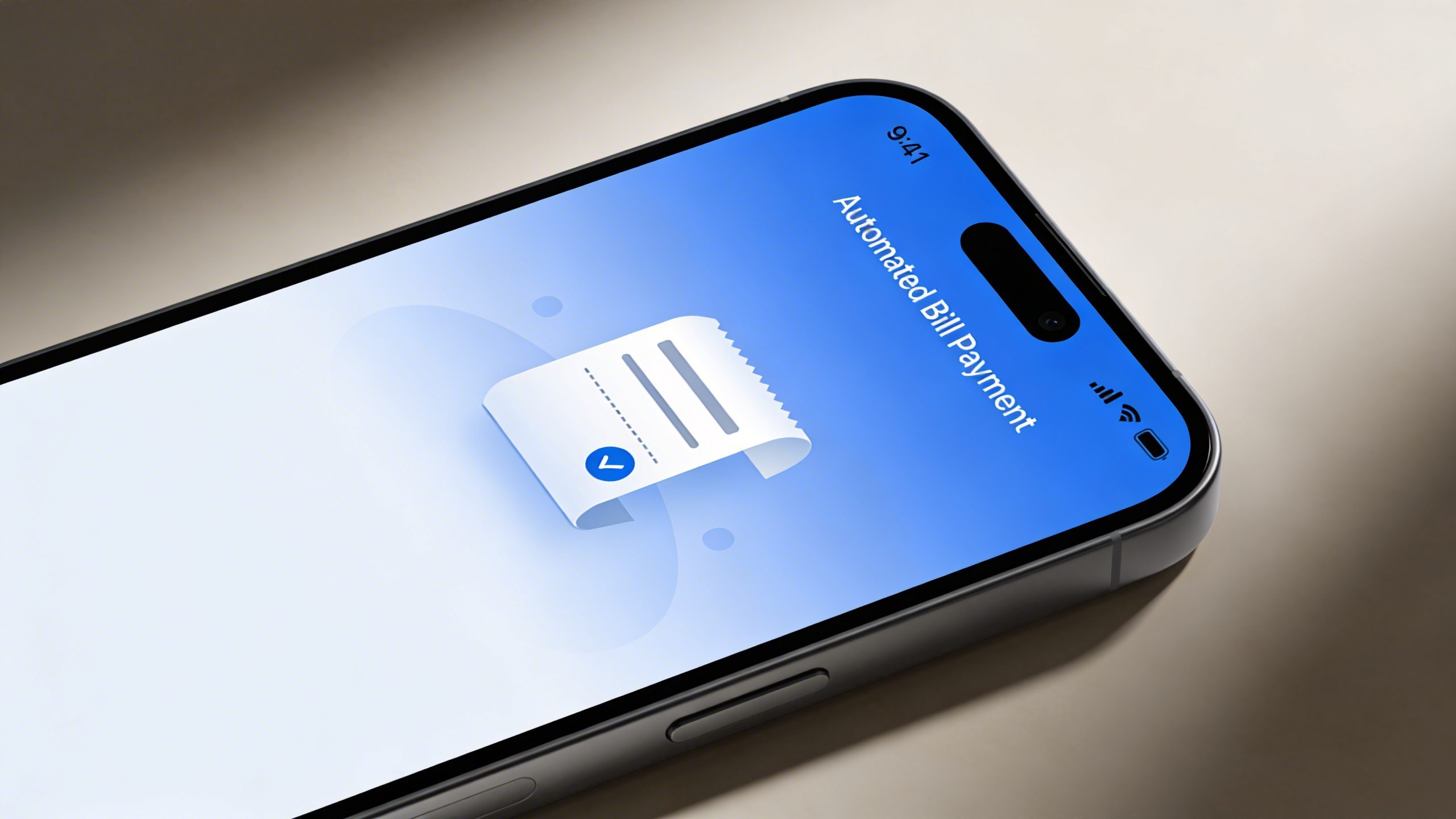
– Automate bills and savings so you don’t have to think about them.
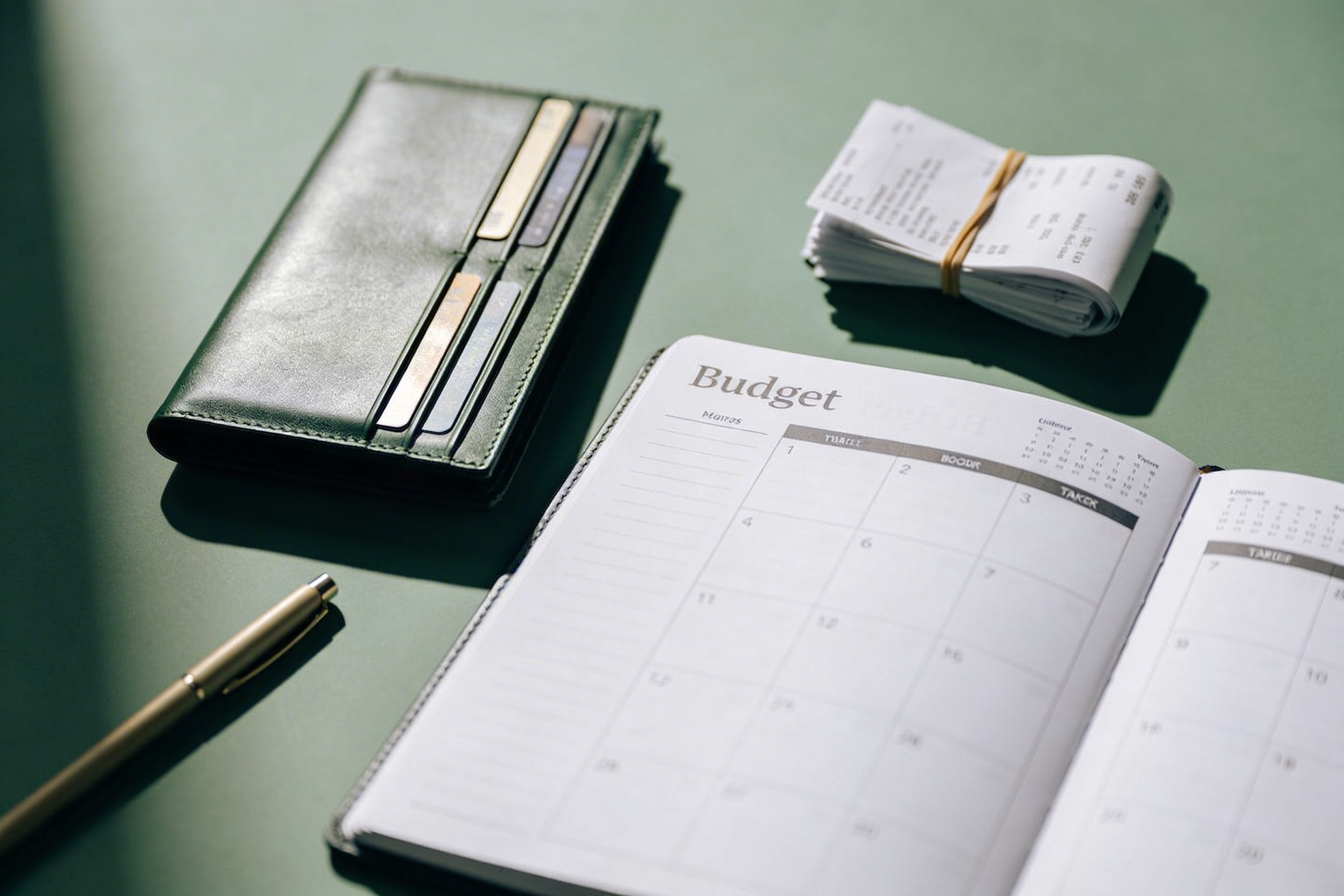
– Use a single, honest budget tracker. If you hate spreadsheets, try a simple notes app or a bare-bones app.
Plan beats stress when you know what’s coming. FYI, you don’t need to become a miser to win at this—just a bit of frictionless structure.
Declutter your wallet, declutter your mind

The tiny pains add up: receipts, loyalty cards you never use, and a wallet that scares casual observers. Clear it out, and your head feels lighter.
– Carry only what you actually use. If you haven’t used a card in two months, consider removing it.
– Create a single place for important receipts and warranties. Less rummaging, less panic when a return window is closing.
– Stop impulse buys at the register with a five-second pause rule. If you still want it after 5 minutes, buy it thoughtfully.
Subsection: Slow down the shopping loop
– Make a 24-hour rule for non-essentials. If you still want it tomorrow, revisit.
– Compare price and value rather than “gotta have it now” vibes.
– Embrace the joy of weathering a temporary craving. The urge often fades—and you save money.
Frugal routines that pay you back
Routines aren’t punishment; they’re protective gear against stress. Small habits add up.
– Batch cook and repurpose leftovers. Dinner tonight, lunch tomorrow, and a freezer stash for emergencies.
– Do a weekly reset: 15 minutes with a trash bag and a donate bag. Your space, your headspace.
– Upcycle or borrow first. Want a gadget? Rent or borrow from friends before buying new.
Subsection: Simple energy wins
– Use energy-efficient settings and unplug chargers when not in use.
– Switch one light to a warm LED and notice how the room feels cozier without hiking your bill.
– Invest in a multi-use tool instead of a cabinet full of single-purpose gadgets.
Smart shopping that doesn’t feel like a sacrifice

Frugal living isn’t deprivation; it’s clever choices that still honor your tastes.
– Shop with a list and a vibe check. If it doesn’t serve the vibe, skip it.
– Take advantage of perks: loyalty programs, bulk basics, and seasonal sales—but only if you’ll actually use them.
– Swap in quality over quantity. A single well-made item saves stress and returns on investment.
Subsection: The “best deal” trap, and how to dodge it
– If a deal requires you to act fast, pause. The best deal often isn’t a sprint; it’s a measured choice.
– Don’t buy substitutes you don’t need just because they’re cheaper. Comfort, function, and fit still matter.
Maintenance mindset: prevent stress before it starts
Frugality isn’t just about pennies; it’s about maintenance that stops disaster from sneaking up.
– Budget for the unexpected: a small “rainy-day” fund reduces panic when life throws a curveball.
– Schedule routine maintenance on big-ticket items. Car service, appliance checks, and medical visits catch issues early.
– Protect important items with simple systems: digital backups, warranties, and clear care instructions.
Subsection: The power of a simple list
– Keep a yearly checklist for major life areas: home, health, tech, and finances.
– Review it quarterly. You’ll see stress points before they explode.
Rethinking stress with a frugal mindset
Frugality isn’t just saving cash; it reshapes how you respond to pressure.
– When stress hits, ask: What’s the smallest, highest-impact action I can take right now?
– Build a tiny “reset ritual” for overwhelmed moments: 3 deep breaths, 2 notes on what’s doable, 1 action this hour.
– Remember: slow and steady beats frantic and flashy. IMO, the latter burns you out faster.
Subsection: Minimalism with texture
– You don’t have to throw away everything you love. Curate better, not bigger.
– Invest in a few flexible, high-use items rather than a bunch of one-trick wonders.
FAQ
Q: Can frugal living really reduce stress, or is it just a mindset trick?
A: It’s both. Practical changes—like predictable bills, a tidy space, and a simple budget—cut actual stressors. Mindset helps you stick with them when temptations arise. FYI, consistency beats intensity here.
Q: I hate feeling deprived. How can I stay motivated?
A: Focus on value, not restriction. Choose activities and items that bring real joy, then budget for them thoughtfully. If you want that treat, plan for it and savor it. Tiny rewards keep momentum without guilt.
Q: What’s the first step to start frugal living without chaos?
A: Pick one area to improve this week. Maybe it’s removing unused cards or setting up automatic bill payments. Small, manageable steps compound fast.
Q: How do I handle social pressure when friends invite me out with expensive options?
A: Propose cheaper or free alternatives and be honest. You can say something like, “I’m saving for a goal right now, so I’m sticking to low-cost options.” People usually respect transparency.
Q: Is it okay to treat myself sometimes?
A: Yes. Frugality isn’t about deprivation; it’s about intention. Plan a few well-chosen treats so the joy doesn’t feel like a typo in your budget.
Q: How do I keep this sustainable long-term?
A: Build routines that fit your life. The more automatic and enjoyable your systems, the less you’ll slip. Regular tweaks keep things fresh instead of feeling like a grind.
Conclusion
Frugal living isn’t a doom-and-gloom badge you wear; it’s a toolkit for less stress and more control. With smarter spending, cleaner spaces, and routines that actually stick, you create room for what matters. You’ll sleep a little easier, laugh a little more, and still have room to enjoy the good stuff—without the freak-out when the smoothie blender dies or the car needs maintenance.
So, start small, pick one tweak this week, and ride the wave. Your future self will thank you for not overdoing it today. And if you want a buddy to brainstorm with, I’m here—no judgment, just practical tips and the occasional sarcastic pep talk.